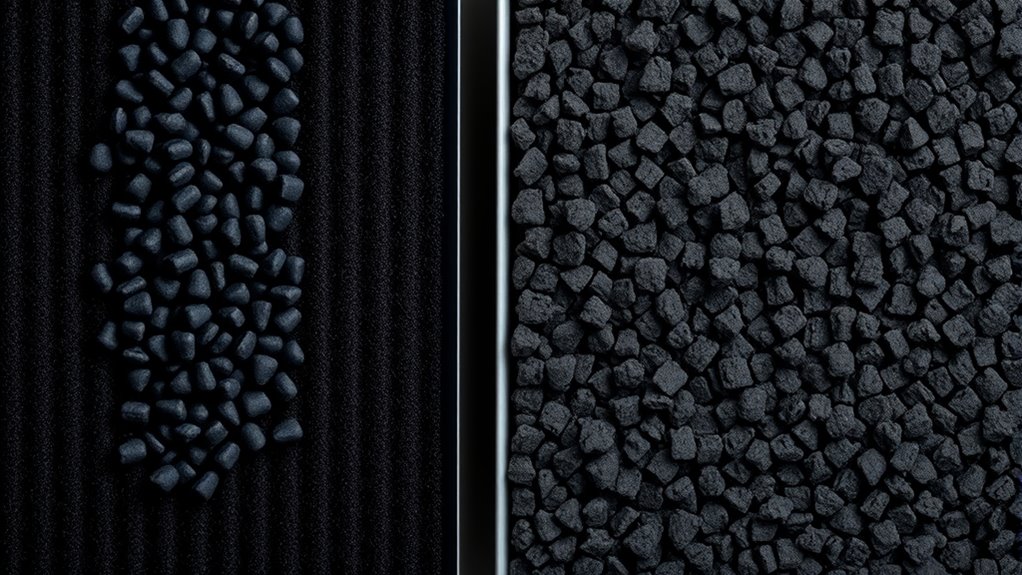

Advanced and catalytic carbon each have unique structures and surface chemistries that suit different applications. While advanced carbon excels at adsorption for filtration, catalytic carbon promotes chemical reactions to break down pollutants. Myths suggest they’re interchangeable, but performance depends on specific needs. Understanding these differences helps you choose better. To discover how these materials really compare and what matters most, keep exploring the facts behind their capabilities.

Get home appliances delivered free — and shop member deals
- Fast, free delivery on millions of items
- Access to Prime Big Deal Days deals on October 6–7
- Prime Video, Amazon Music and more included
Key Takeaways
- Advanced carbon excels in adsorption and filtration due to its high surface area, while catalytic carbon promotes chemical reactions for pollutant breakdown.
- Performance differences depend on application; advanced carbon is ideal for water purification, catalytic carbon is better for air purification.
- Manufacturing impacts environmental footprint; advanced carbon often has higher energy costs, whereas catalytic carbon can be produced more sustainably.
- Both materials can be regenerated, extending lifespan and reducing waste, but their efficiency varies based on specific pollutants and conditions.
- Choosing between them requires balancing operational needs, environmental impact, and cost-effectiveness for responsible resource management.
Understanding the Composition and Structure of Both Carbons
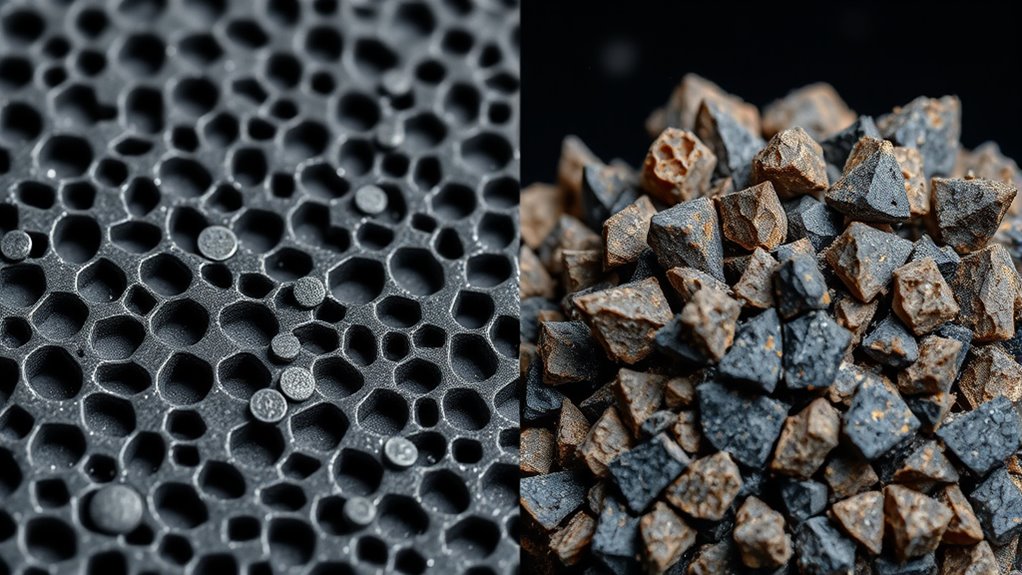
To understand the differences between advanced carbon and catalytic carbon, it’s essential to examine their composition and structure. Their pore structure varies profoundly: advanced carbon typically features a highly developed pore network with a broad range of pore sizes, enhancing surface area. Catalytic carbon, on the other hand, usually has a more specific pore structure optimized for catalytic reactions. Surface chemistry also differs; advanced carbon’s surface contains numerous functional groups that improve adsorption capabilities, while catalytic carbon’s surface is often modified with active sites or metals to facilitate chemical transformations. These structural and chemical distinctions directly influence how each type performs in applications. Recognizing these core differences helps you choose the right material for your specific needs, whether for filtration, adsorption, or catalysis. Additionally, Surface chemistry plays a crucial role in determining the effectiveness of each carbon type in various processes.
Common Myths and Misconceptions About Advanced and Catalytic Carbon
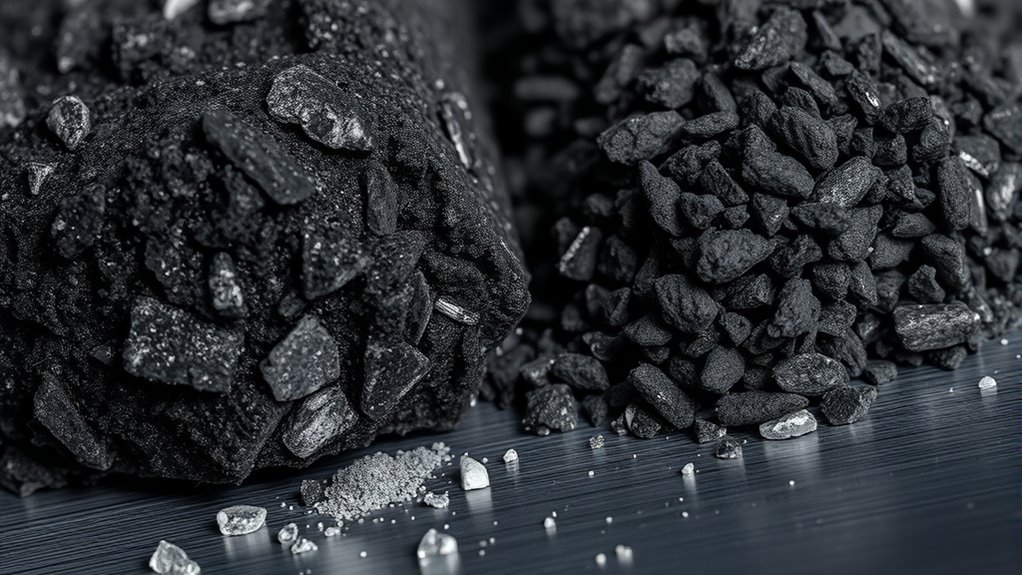
Many people believe that advanced and catalytic carbons can do everything equally well, but that’s a misconception. You might assume their performance claims are one-size-fits-all, which isn’t accurate. It’s important to understand the specific capabilities of each to make informed decisions. For example, understanding their filtering environments helps determine which type of carbon is best suited for particular applications.
Misunderstanding Product Capabilities
Misunderstandings about what advanced and catalytic carbon can achieve often lead to misconceptions that hinder proper application. Many assume that all carbons perform the same or that one type can do everything better. These carbon misconceptions can cause you to choose the wrong product for specific needs, leading to wasted resources and subpar results. Performance myths suggest that catalytic carbons always outperform advanced carbons, but this isn’t true in every case. Each type has strengths suited to particular contaminants and conditions. Recognizing the actual capabilities of advanced and catalytic carbon helps you make informed decisions. Instead of relying on generalized beliefs, focus on understanding their specific attributes, so you can optimize your treatment systems effectively. Correct knowledge guarantees you get the most value from your carbon investment. Additionally, understanding the artistic significance of materials like butter can provide insights into their cultural and aesthetic roles, which can inform better choices in both art and industrial applications.
Overgeneralizing Performance Claims
A common mistake is overgeneralizing the performance claims made about advanced and catalytic carbons. Many marketing hype messages suggest one type outperforms the other universally, but this isn’t accurate. Performance exaggeration often leads buyers to overlook specific application needs. Remember, factors like contaminant type, flow rate, and operating conditions considerably influence effectiveness. Don’t fall for broad claims like “best for all” or “superior in every scenario.” Instead, focus on tailored data and real-world testing relevant to your application. Recognizing that both carbon types excel in different contexts helps prevent misconceptions. By questioning exaggerated claims and understanding actual performance nuances, you can make smarter choices aligned with your specific needs. This approach ensures you avoid pitfalls of overgeneralization and marketing hype. Additionally, understanding the specific properties of advanced carbon versus catalytic carbon can help you select the right material for your particular filtration or performance requirements.
Key Benefits and Limitations of Advanced Carbon
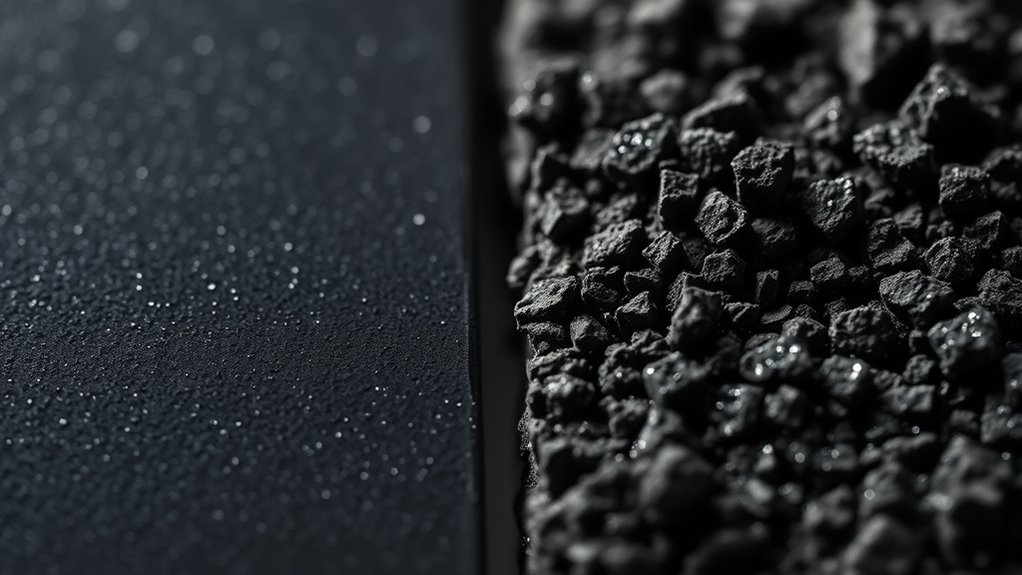
Advanced carbon offers notable benefits such as high surface area, excellent adsorption capacity, and durability, making it highly effective for various filtration and purification applications. Its adsorption efficiency allows it to remove contaminants effectively, often outperforming traditional options. However, these advantages come with limitations. Manufacturing costs for advanced carbon tend to be higher due to the specialized processes involved, which can impact overall project budgets. Additionally, its durability, while generally good, may vary depending on the specific application and operating conditions. You should consider these factors when choosing advanced carbon, balancing its benefits against potential limitations. While it excels in adsorption, it may not always be the most cost-effective solution for every scenario, especially where budget constraints are tight. Moreover, understanding tuning options for vehicles can help optimize performance in applications related to filtration systems that utilize advanced carbon.
The Unique Capabilities of Catalytic Carbon in Filtration
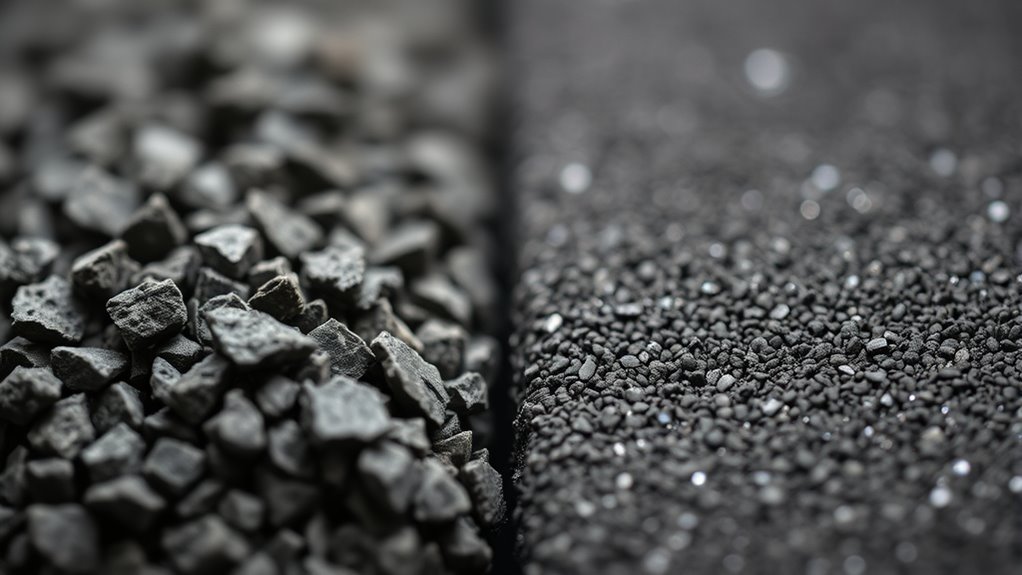
Catalytic carbon stands out in filtration applications because of its ability to accelerate chemical reactions that break down contaminants, rather than just adsorbing them. This means it can transform harmful substances into less toxic or benign compounds, enhancing overall water quality. Its unique capabilities include a higher adsorption capacity for specific pollutants and ongoing catalytic activity. You can also benefit from effective regeneration techniques that restore its reactivity, prolonging its lifespan and maintaining filtration efficiency. Unlike traditional activated carbon, catalytic carbon maintains performance over multiple cycles, reducing replacement costs. Its ability to facilitate chemical reactions makes it especially valuable for removing chloramines and other complex contaminants. Additionally, catalytic carbon’s reactive properties enable it to target a broader range of pollutants more effectively than standard activated carbon. In essence, catalytic carbon’s reactive nature offers advanced filtration solutions that go beyond simple adsorption.
Factors to Consider When Choosing the Right Carbon Material
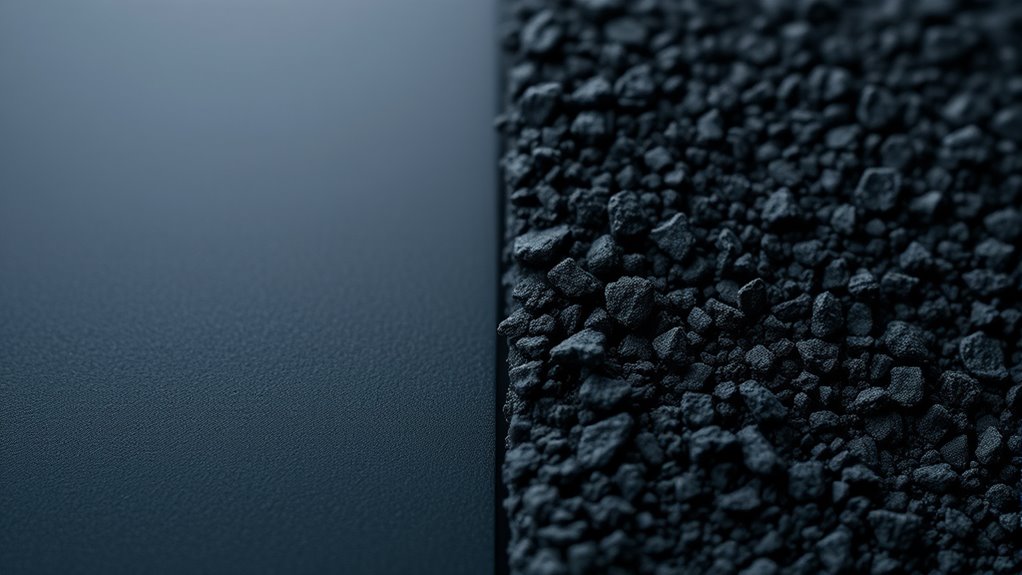
When selecting the right carbon material for filtration, it’s important to evaluate several key factors that influence performance and cost-effectiveness. First, consider cost considerations—some materials may have higher upfront costs but offer better longevity or adsorption capacity, saving money long-term. Next, assess supplier reliability; choosing a reputable supplier guarantees consistent quality, purity, and supply, reducing the risk of contamination or delays. You should also examine the specific filtration application, as different carbon types excel in various scenarios. Compatibility with your system’s operating conditions and maintenance requirements are also vital. Additionally, understanding the cycle of breakups can help in choosing materials that are more resilient under fluctuating operational demands. By balancing these factors, you can select a carbon material that meets your performance needs while staying within budget, guaranteeing reliable and efficient filtration over time.
Environmental Impact and Sustainability Aspects
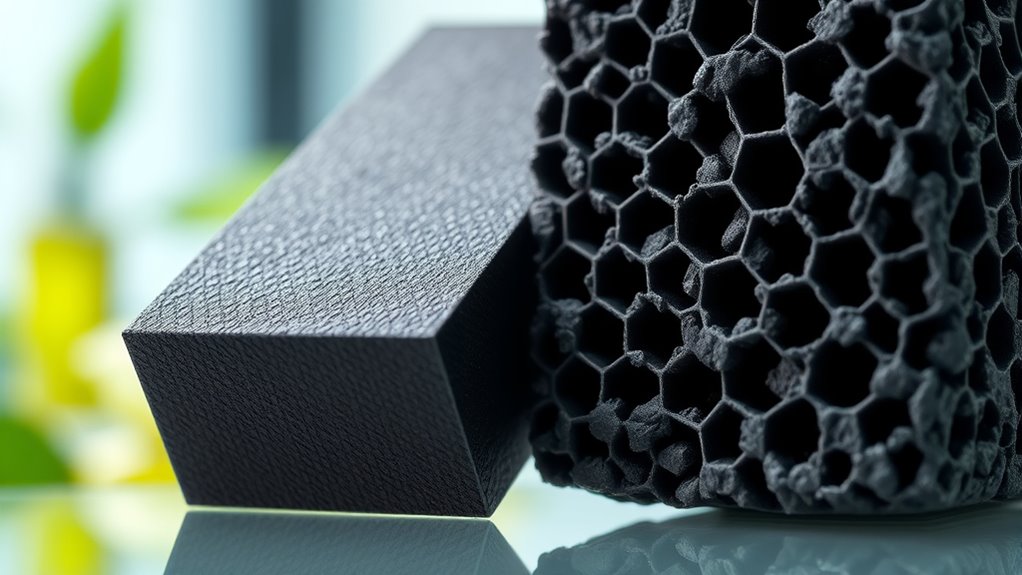
Have you ever considered how the choice of carbon material impacts the environment? Both advanced and catalytic carbons influence your carbon footprint, especially through their production and disposal. Sustainable practices, like recycling, can reduce waste and energy use, making your choice more eco-friendly. Advanced carbons often require intensive manufacturing, which may increase environmental strain, while catalytic carbons can sometimes be produced using greener methods. Recycling practices help extend the lifespan of these materials and lessen their environmental impact. To make a responsible decision, consider these factors: personal development—embracing sustainable choices can also foster a mindset of growth and responsibility toward the environment—and the overall lifecycle environmental footprint.
Practical Applications and Case Studies Demonstrating Effectiveness

Practical applications of advanced and catalytic carbons showcase their effectiveness across various industries. In water treatment, advanced carbon offers high adsorption efficiency for contaminants, reducing treatment costs. Catalytic carbon excels in air purification, breaking down pollutants more efficiently. Consider the following comparison:
| Application | Adsorption Efficiency | Cost Analysis |
|---|---|---|
| Water Filtration | High | Moderate |
| Air Purification | Very High | Slightly Higher |
| Industrial Use | Cost-Effective | Varies |
These case studies highlight how choosing the right carbon type depends on specific needs, balancing adsorption efficiency with cost. Your decision impacts overall performance, operational costs, and sustainability goals. Additionally, understanding market trends can help optimize selection and investment in these materials.
Frequently Asked Questions
How Do Cost Differences Influence the Selection of Advanced Versus Catalytic Carbon?
You should consider cost differences carefully when choosing between advanced and catalytic carbon. Conduct a thorough cost analysis, comparing supplier pricing for each type. While advanced carbon might be more expensive upfront, it could offer better long-term value through increased efficiency or longer lifespan. Balancing initial costs with ongoing operational expenses helps you make an informed decision that aligns with your budget and performance needs.
Are There Any Safety Concerns Associated With Using Catalytic Carbon?
You won’t face significant health risks with catalytic carbon if you follow proper handling precautions. Always wear gloves, masks, and eye protection to minimize exposure to dust or fumes. While catalytic carbon is generally safe, improper handling can cause irritation or accidental ingestion. Stay cautious, use in well-ventilated areas, and store it properly to guarantee safety. Being vigilant helps prevent potential health concerns associated with its use.
Can Both Carbon Types Be Effectively Regenerated and Reused?
Yes, both carbon types can be effectively regenerated and reused. You typically use regeneration methods like thermal or chemical processes to restore their adsorptive capacity. Reuse efficiency depends on proper regeneration techniques; if done correctly, you can extend their lifespan considerably. Keep in mind, catalytic carbon may require specific regeneration methods to maintain its catalytic activity, but overall, proper regeneration boosts cost-effectiveness and sustainability for both types.
How Do Performance Variations Affect Long-Term Maintenance Needs?
Think of your carbon filters like tires—performance durability determines how often you need maintenance. If one type consistently shows performance variations, you’ll find yourself replacing or servicing filters more frequently, increasing maintenance frequency. For example, catalytic carbon often maintains its effectiveness longer, reducing upkeep. Staying attentive to performance changes guarantees you optimize filter lifespan and minimize disruptions, saving time and costs over the long run.
What Are the Latest Technological Innovations in Carbon Material Development?
You should explore recent innovations like nanotechnology enhancements and bio-based carbons. These advancements improve adsorption efficiency, durability, and sustainability. Nanotechnology allows precise control over pore structures, boosting performance. Bio-based carbons, made from renewable resources, reduce environmental impact while maintaining high quality. Staying updated on these developments helps you select materials that optimize filtration, extend lifespan, and promote eco-friendly solutions in your projects.
Conclusion
Choosing between advanced and catalytic carbon depends on your specific needs. For example, a water treatment plant switching to catalytic carbon saw faster removal of contaminants, saving time and resources. Understanding their strengths and limitations helps you make informed decisions. By focusing on your application’s goals and environmental impact, you can select the right carbon material. Ultimately, the right choice enhances your process efficiency while supporting sustainability efforts.
Fall yard work Picks
leaf blowers
As an affiliate, we earn on qualifying purchases.