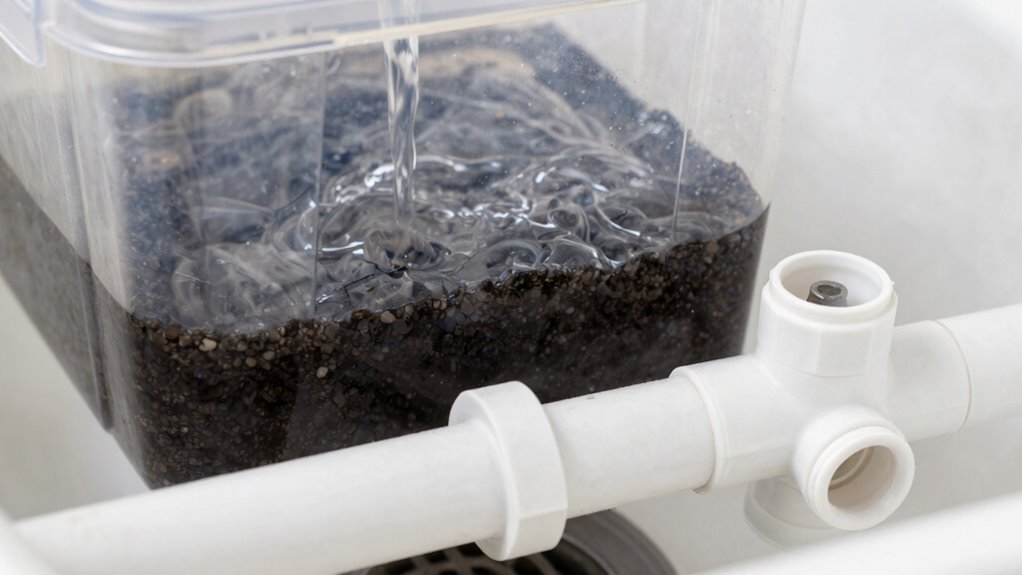

A good drain strategy is essential when backwashing carbon filters because it guarantees contaminants are efficiently swept away and don’t cause clogs or damage. It helps prevent backups, leaks, and incomplete drainage that can reduce filter life and system performance. Proper drainage also protects the environment by directing wastewater responsibly. By managing your drainage system well, you’ll support the longevity of your filter and maintain clean, high-quality water. Keep exploring to discover how to optimize your drain setup even further.

Get home appliances delivered free — and shop member deals
- Fast, free delivery on millions of items
- Access to Prime Big Deal Days deals on October 6–7
- Prime Video, Amazon Music and more included
Key Takeaways
- Efficient drainage prevents backups, ensuring thorough removal of contaminants during backwashing.
- Proper drain strategy extends filter lifespan by avoiding debris buildup and reducing wear.
- Adequate drainage capacity aligns with backwash flow rates, preventing system inefficiencies.
- Good drainage directs wastewater responsibly, supporting environmental compliance and sustainability.
- Monitoring drainage performance helps detect issues early, maintaining system performance and water quality.
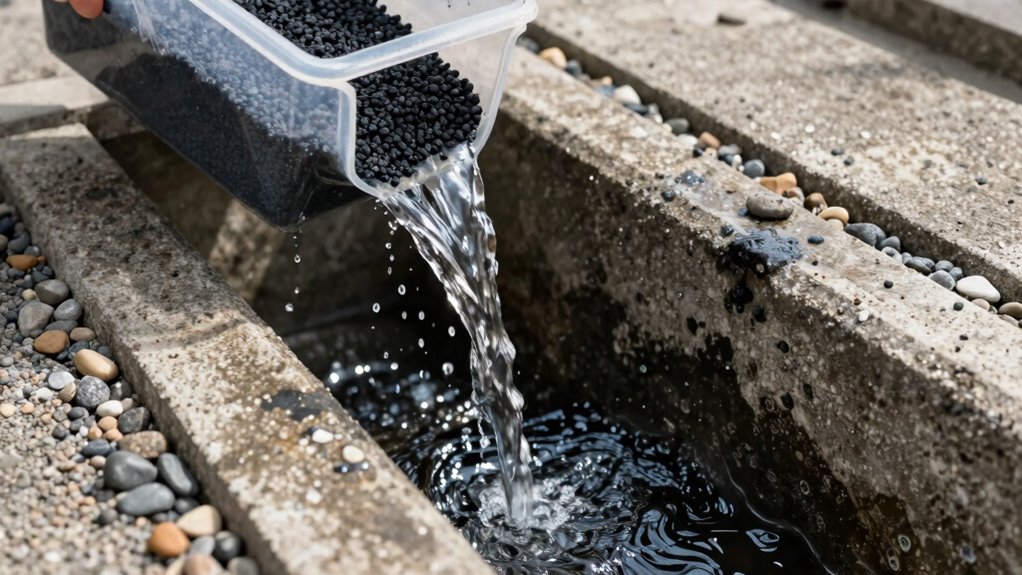
Have you ever wondered how to effectively drain your backwashing carbon filters? Proper drainage plays a vital role in maintaining the filter’s overall health and efficiency. When you don’t have a good drain strategy, debris and contaminants can linger, leading to shortened filter lifespan and increased maintenance needs. A well-designed drain system ensures that all impurities are flushed out thoroughly during backwashing, preventing buildup that can compromise the filter’s performance over time. If you neglect this, you might find yourself replacing filters more often than necessary, which can get costly and inconvenient.
Efficient drainage also helps in scheduling regular maintenance. When you have a clear understanding of how your drain system works, you can better plan for filter cleanings and replacements. It’s important to recognize that backwashing isn’t just about cleaning; it’s about removing the accumulated contaminants that can clog the filter media if not properly drained. Without a reliable drain strategy, residual debris can settle and cause uneven wear, reducing the overall lifespan of your filter media. Additionally, understanding the importance of drain capacity**** can prevent system backups and ensure efficient operation.
Your drain system should be designed with the flow rate and capacity of your backwashing process in mind. If the drain can’t handle the volume of water being flushed out, it will cause backups or incomplete drainage. This leads to dirty water remaining in the system, which can cause microbial growth or corrosion. Proper placement of drain outlets, along with ensuring they’re free of obstructions, is essential. Regular checks should be part of your maintenance routine to confirm that the drains are functioning as intended. Taking these steps helps extend the lifespan of your filters, minimizes downtime, and reduces the frequency of costly repairs. Also, paying attention to system design can improve overall drainage efficiency and prevent potential issues.
In addition, a good drain strategy allows you to manage your water and waste more responsibly. By directing the backwash water to appropriate drainage areas, you prevent contamination of surrounding environments. This responsible approach not only protects your system but also aligns with environmental standards and regulations. Proper waste management in backwashing processes is crucial for sustainable living practices and environmental conservation. Furthermore, implementing a monitoring system can help you detect and address drainage issues before they escalate, ensuring continuous efficiency. Ultimately, investing time in planning and maintaining an effective drain system is a small effort that results in longer-lasting filters, better water quality, and a smoother maintenance schedule. When you prioritize a solid drain strategy, you guarantee your backwashing process is both efficient and sustainable, safeguarding your investment in your water treatment system.
backwashing carbon filter drain kit
As an affiliate, we earn on qualifying purchases.
As an affiliate, we earn on qualifying purchases.
Frequently Asked Questions
How Often Should I Backwash My Carbon Filter?
You should backwash your carbon filter every 4 to 6 weeks to maintain ideal filter performance and water quality. Regular filter maintenance prevents clogging and guarantees efficient contaminant removal. Keep an eye on your water’s taste and clarity; if you notice any decline, consider backwashing sooner. Consistent maintenance helps prolong the filter’s lifespan and keeps your water clean and safe for everyday use.
What Are Signs of an Ineffective Drain System?
If your drain system is ineffective, you’ll notice water pooling around the filter or slow water disposal during backwashing. You might also see leaks or unpleasant odors indicating drainage issues. Proper drain maintenance guarantees water flows smoothly, preventing backups and potential damage. Regularly check for clogs or blockages in the water disposal path, and clear them promptly. An efficient drain system keeps your backwashing process safe and effective.
Can Improper Drain Setup Cause Filter Damage?
You might think ignoring drain installation won’t matter, but it can actually cause serious filter damage. Improper drains lead to water buildup, increasing pressure and risking cracks or leaks. This reduces filter longevity and forces you to replace parts prematurely. Ironically, neglecting proper drain setup saves no time or money. Ensuring a good drain strategy protects your filter’s health, keeps it running smoothly, and extends its lifespan.
Is a Special Drain Pump Necessary for Backwashing?
A special drain pump isn’t always necessary for backwashing, but it can be helpful. It guarantees proper flow regulation, which is vital for effective backwashing and preventing damage. If your system’s drain setup isn’t ideal, a drain pump helps control water flow, reducing stress on the filter. In some cases, a standard pump works fine, but investing in a dedicated drain pump offers more precise control and enhances filter longevity.
How Does Drain Water Impact the Environment?
Drain water from backwashing carbon filters can impact the environment by contributing to water pollution if not disposed of properly. If harmful contaminants are present, they might pollute local water sources, harming ecosystems. To minimize this, you should follow eco-friendly disposal practices, ensuring that pollutants are removed or treated before discharge. This approach helps protect water quality and reduces environmental harm, supporting sustainable water management.
water filter backwash drain valve
As an affiliate, we earn on qualifying purchases.
As an affiliate, we earn on qualifying purchases.
Conclusion
Implementing a good drain strategy during backwashing is essential for maintaining your carbon filter’s efficiency and longevity. Did you know that improper drainage can waste up to 30% of your water? By ensuring proper drainage, you not only save water but also extend the life of your filter, saving you money in the long run. So, take the time to plan your drain system carefully—your filter, your wallet, and the environment will thank you.
As an affiliate, we earn on qualifying purchases.
carbon filter maintenance accessories
As an affiliate, we earn on qualifying purchases.
As an affiliate, we earn on qualifying purchases.
NFL season / tailgating Picks
team gear
As an affiliate, we earn on qualifying purchases.