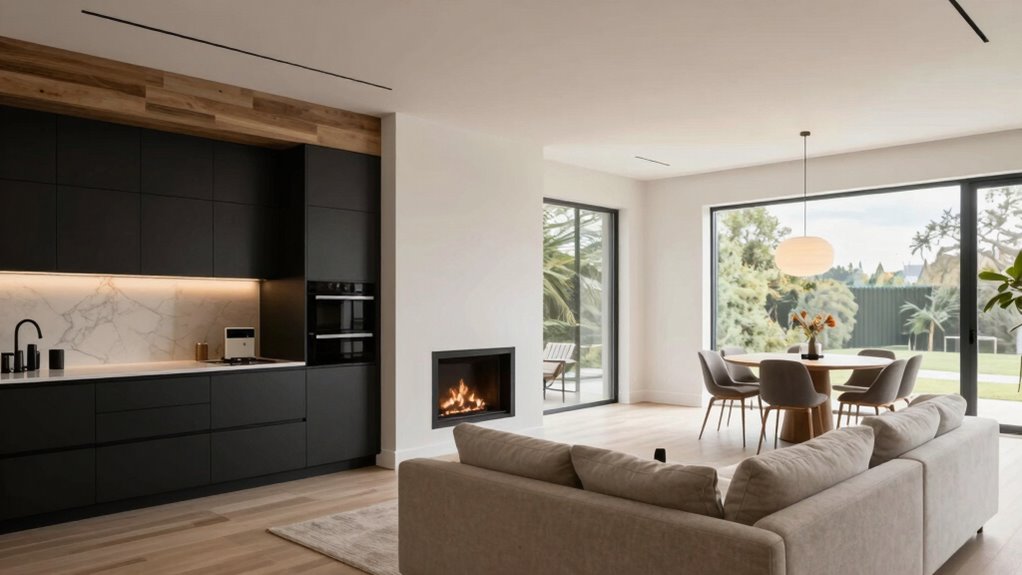

To approach three-stage whole-house layouts effectively, start by establishing a solid foundation with main living spaces, entryways, and the kitchen. Then, refine your plan by adding privacy zones, workspaces, or divisions, ensuring smooth flow and natural progressions. Finally, fine-tune details like lighting, furniture, and decor to enhance comfort and functionality. This step-by-step process helps you create a cohesive, spacious home; keep exploring to discover how each phase builds on the last.
Key Takeaways
- Prioritize a cohesive flow by connecting main living areas with logical pathways and minimizing dead ends.
- Use a three-stage approach to progressively refine layout, starting with basic zones, then adding divisions, and finally detailed adjustments.
- Focus on space optimization by assigning clear functions, utilizing multifunctional furniture, and maximizing open-plan designs.
- Utilize visualization tools like sketches or digital models early to identify flow issues and make necessary adjustments.
- Ensure each stage builds upon the previous to create a balanced, functional, and aesthetically cohesive home.
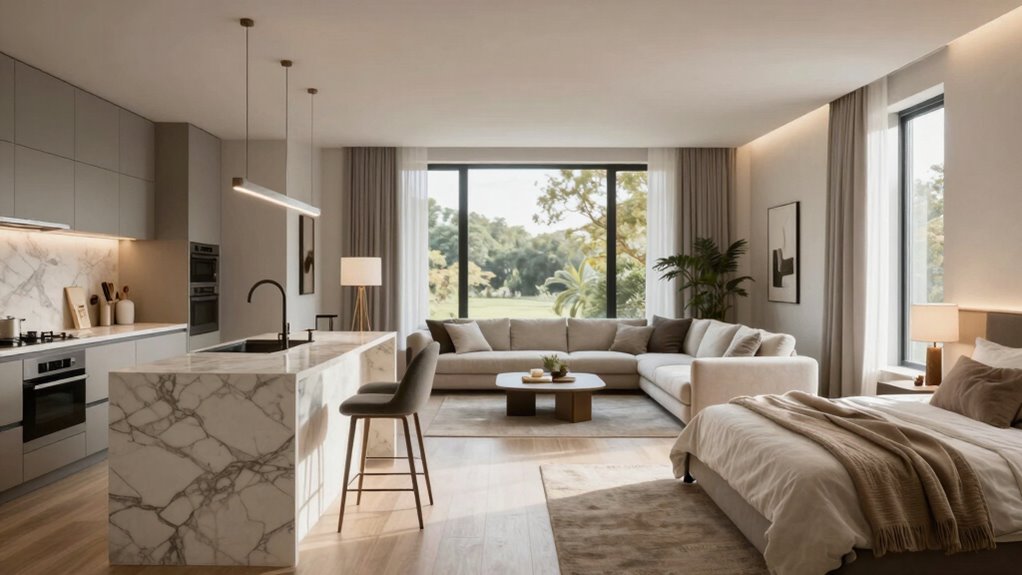
Designing a three-stage whole-house layout can seem complex, but approaching it with a clear strategy makes the process manageable. The first stage involves understanding how your space will function in its entirety. You need to consider how each area connects to others, ensuring that movement between rooms feels intuitive. This is where flow continuity becomes vital. You want to create a seamless shift from one zone to the next, avoiding dead ends or awkward detours. Achieving this means paying close attention to pathways, door placements, and the arrangement of key rooms, so everything feels cohesive and natural.
Next, focus on space optimization. In a three-stage layout, each area should serve a specific purpose while contributing to the overall harmony of the house. To do this effectively, you must think about how to make the best use of available space. This could involve multifunctional furniture, built-in storage, or open-plan designs that minimize wasted square footage. Space optimization isn’t just about fitting everything in; it’s about creating a balanced environment where each room feels spacious yet functional. When you prioritize this, you help prevent congestion and ensure every part of your home contributes to your comfort and efficiency. Incorporating space planning principles can further enhance your ability to allocate areas effectively. Being mindful of spatial relationships can also improve the overall layout and flow.
As you plan, keep in mind that each stage should build upon the previous one. The first stage might focus on the foundational layout—placing the main living areas, kitchen, and entry points. The second stage refines this by adding divisions, privacy zones, or workspaces, depending on your needs. The third stage involves fine-tuning details, such as lighting, furniture placement, and decorative elements, to enhance flow continuity and space utilization. By breaking the process into these three stages, you’re better able to manage the complexity and ensure each phase complements the last.
Throughout this process, it’s essential to visualize how your house will evolve. Use sketches, digital models, or walkthroughs to simulate movement and see how space functions in real life. This helps identify potential bottlenecks or wasted areas early on, so you can make adjustments before construction begins. Incorporating design principles ensures your layout remains functional and aesthetically pleasing. Always keep your primary goals in mind: maintaining flow continuity and maximizing space efficiency. When you approach your layout with this mindset, you create a home that’s not only functional but also comfortable and easy to navigate. Ultimately, a well-thought-out three-stage plan transforms what might seem overwhelming into a clear, achievable path toward your ideal living space.
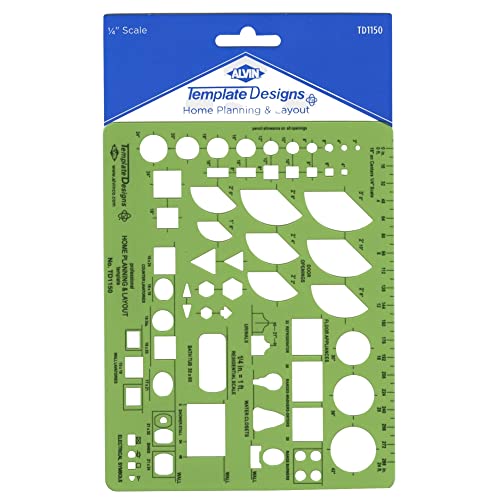
ALVIN, TD1150, Home Planning and Layout Template, Drawing and Drafting Tool for Artists, Architects, Design and Drafting
- Builder's Architecture Symbols: Includes various drawing symbols and fixtures
- Transparent Plastic Material: Allows easy positioning over drawings
- Suitable for Students and Professionals: Ideal for architects, designers, and engineers
As an affiliate, we earn on qualifying purchases.
As an affiliate, we earn on qualifying purchases.
Frequently Asked Questions
How Do I Choose the Best Layout for My Home’s Size?
To choose the best layout for your home’s size, focus on space optimization by arranging rooms efficiently and minimizing wasted areas. Consider lighting strategies to maximize natural light, making smaller spaces feel larger and more inviting. Think about how your daily routines flow and select a layout that enhances functionality. Prioritize flexibility, ensuring each space serves multiple purposes, so your home feels comfortable and well-organized regardless of its size.
What Are Common Mistakes to Avoid in Three-Stage Layouts?
You should avoid sacrificing design flexibility for rigid plans, which can limit future modifications. Also, don’t overlook material durability; choosing low-quality materials may save money upfront but lead to costly repairs later. Be cautious of overly complex layouts that hinder movement and functionality. Focus on a balanced approach that prioritizes adaptable designs and durable materials, ensuring your three-stage layout remains practical and long-lasting as your needs evolve.
How Can I Incorporate Future Expansions Into My Design?
You can incorporate future expansions by designing flexible zoning that adapts as your needs change. Use modular furniture to easily reconfigure spaces without major renovations. Plan for open areas or removable walls that allow you to expand or reconfigure rooms effortlessly. This approach guarantees your home remains adaptable, saving you money and hassle in the long run, while keeping your layout versatile for future growth.
What Are Cost Considerations for Implementing This Layout?
Imagine laying a foundation, where material costs and labor expenses shape the entire structure. When implementing this layout, expect costs to vary based on materials chosen and complexity of construction. High-quality materials increase expenses, while intricate designs demand more labor hours. Planning ahead helps you balance your budget, ensuring you allocate funds wisely for materials and skilled labor, making your dream home both beautiful and financially feasible.
How Long Does It Typically Take to Complete a Three-Stage Layout?
A three-stage whole-house layout typically takes several months to complete, but the exact timeline depends on your project’s scope and your timeline planning. You’ll find that design flexibility can extend or shorten this process; more complex designs might add time, while simpler layouts move faster. Staying flexible and planning ahead helps you manage expectations and make certain each stage progresses smoothly, keeping your project on track.

Garvee Folding Dining Table with Storage, Folding Kitchen Table with 6 Wheels, Drawer & Shelves, Compact Dining Table for Small Spaces
- Space-Saving Folding Design: Ideal for small spaces and versatile use
- Seats 4 Comfortably: Fully extended for family or guests
- Easy Folding & Storage: Folds down for compact storage or alternative uses
As an affiliate, we earn on qualifying purchases.
As an affiliate, we earn on qualifying purchases.
Conclusion
So, next time you’re planning your three-stage whole-house layout, remember that the right approach often appears when you least expect it—like stumbling upon a hidden gem. Trust your instincts, stay flexible, and keep an eye out for those perfect coincidences that can transform your space. Sometimes, the best solutions come unexpectedly, making your home not just functional but truly personalized. Embrace the surprises—they’re part of the journey to your ideal layout.

First Session Success: Essential Tools, Space Optimization, and Setup Strategies (Adventures Begin Here: Starting and Growing Your Role-Playing Club Book 3)
As an affiliate, we earn on qualifying purchases.
As an affiliate, we earn on qualifying purchases.

Haown White Flameless Tea Lights – 50 Pack Commercial Grade LED Tea Lights for Large Weddings, Events & Modern Home Decor (White Base, 50 Pack)
- Ideal for Large Events: 50-pack for weddings and gatherings
- Consistent White Color: Matches for a polished look
- Versatile Decoration Uses: Suitable for jars or acrylic holders
As an affiliate, we earn on qualifying purchases.
As an affiliate, we earn on qualifying purchases.