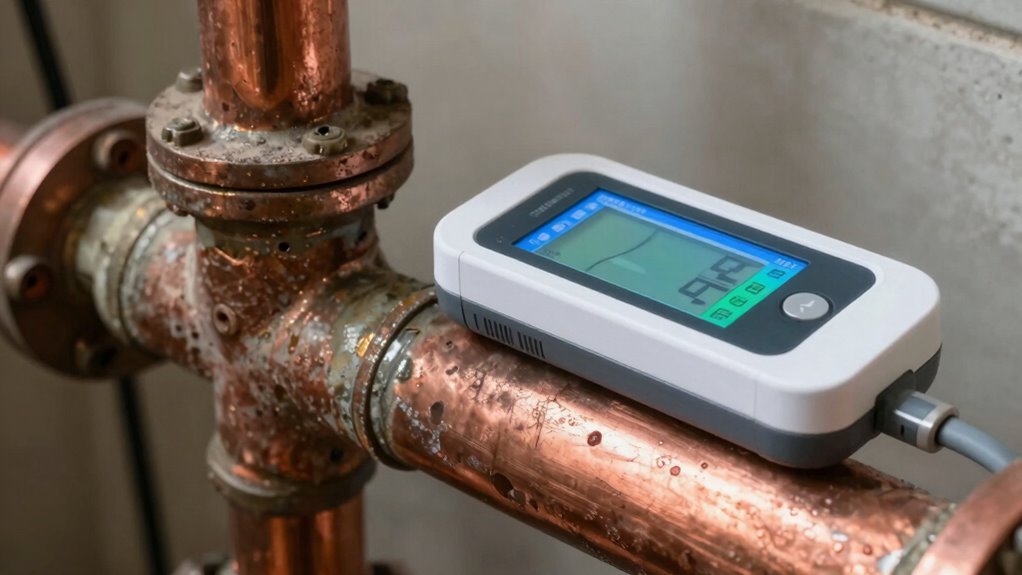

As your plumbing ages, materials like pipes and fittings naturally break down, releasing particles such as iron, copper, and minerals into your water. These changes can cause elevated metal levels or increased hardness readings, which might be mistaken for contamination. Understanding that these shifts are due to pipe corrosion or mineral buildup helps you interpret test results more accurately. If you keep exploring, you’ll discover how to manage these issues effectively and maintain better water quality.

Get home appliances delivered free — and shop member deals
- Fast, free delivery on millions of items
- Access to Prime Big Deal Days deals on October 6–7
- Prime Video, Amazon Music and more included
Key Takeaways
- Older pipes release more metals like iron and copper, affecting water test results and potentially mimicking contamination.
- Mineral buildup in aging plumbing can cause water hardness spikes, influencing test interpretations.
- Material degradation in aged pipes increases corrosion particles, which may be mistaken for pollutants.
- Variations in water quality are common in older systems, requiring context-aware analysis for accurate results.
- Regular maintenance and understanding pipe age help distinguish natural aging effects from actual water contamination.
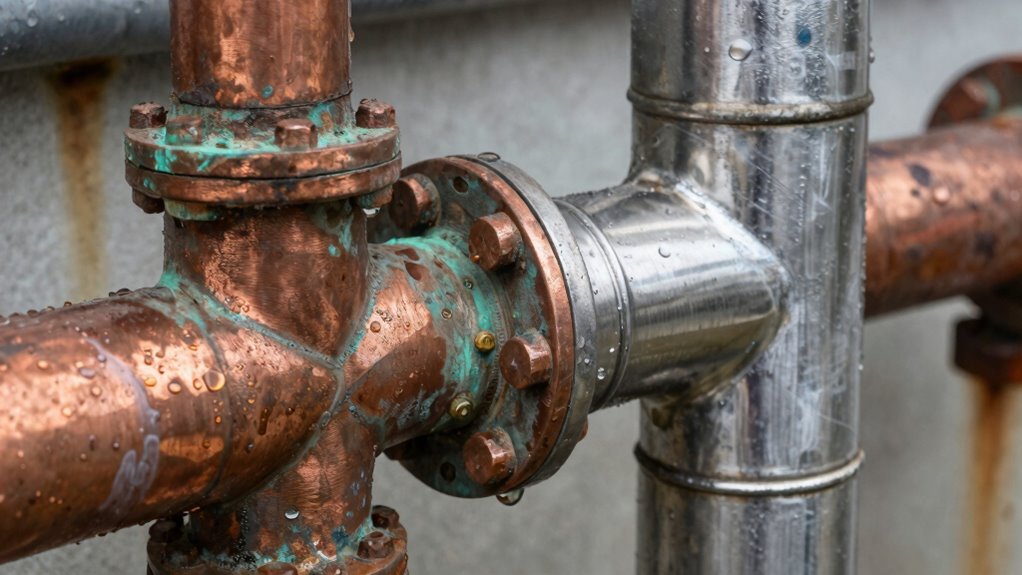
When your plumbing system ages, it can considerably influence the water quality results you receive. Over time, pipes deteriorate, and this deterioration can cause changes that might seem like water contamination but are actually a result of the aging infrastructure. Two common issues that develop in older plumbing are pipe corrosion and mineral buildup. These problems notably impact what your water tests reveal and can lead you to misinterpret the safety or purity of your water supply.
Pipe corrosion occurs when the materials in your pipes break down due to exposure to water and air over many years. As pipes corrode, they release particles into the water, which can show up in test results as metals like iron or copper. While high levels of these metals might suggest contamination, in older plumbing, they’re often just a byproduct of corrosion. This means your water isn’t necessarily unsafe, but the test results could make it seem that way. Recognizing that corrosion is a natural process in aging pipes helps you interpret these results more accurately, preventing unnecessary concern or costly repairs. Additionally, pipe deterioration can accelerate if water chemistry changes over time, further complicating test interpretation. Being aware of corrosion mechanisms can help homeowners better understand the underlying causes of these test results. Moreover, understanding the aging process of plumbing materials can guide decisions about maintenance and replacement.
Mineral buildup is another factor that influences water tests in aging plumbing systems. Minerals like calcium and magnesium tend to accumulate inside pipes over time, especially if your water supply is hard. This buildup can narrow pipe diameters and alter water chemistry, affecting test outcomes. For example, mineral deposits can cause water hardness levels to spike, which might be mistaken for contamination or poor water quality. Additionally, mineral buildup can trap bacteria or other particles, further complicating test results. When you understand that mineral accumulation is a common issue in older plumbing, you realize that some fluctuations in water quality readings are expected rather than alarming. This mineral accumulation can also lead to increased maintenance needs, such as descaling or pipe flushing, to keep your system functioning properly. Being aware of these issues can help you take proactive steps to prevent further buildup and maintain water flow efficiency.
Furthermore, as pipes age, the materials used—like galvanized steel or certain plastics—become more prone to degradation. This degradation often leads to increased mineral deposits and corrosion particles in your water, which can be misinterpreted as contamination. It’s essential to interpret test results with this context in mind. For instance, elevated metal levels might simply reflect pipe wear rather than external pollutants. Recognizing that pipe degradation is typical in aging systems helps you better decide whether your water quality concerns require professional investigation or routine maintenance. This understanding can also inform your choices about when to upgrade your plumbing to prevent further issues. Being aware of these aging factors allows homeowners to take proactive steps toward maintaining water quality and avoiding unnecessary alarm.
water test kits for metal contamination
As an affiliate, we earn on qualifying purchases.
As an affiliate, we earn on qualifying purchases.
Frequently Asked Questions
How Often Should Plumbing Be Inspected for Age-Related Issues?
You should inspect your plumbing every 3 to 5 years for age-related issues like pipe corrosion or signs of deterioration. Regular inspections help with age detection, catching problems early before they cause leaks or water damage. If your home has older pipes, especially over 20 years, consider more frequent checks. Staying proactive guarantees your plumbing stays in good shape and prevents costly repairs down the line.
Can Old Plumbing Cause False Water Quality Readings?
Old plumbing can cause false water quality readings due to corrosion effects and material degradation. As pipes age, rust and mineral buildup can leach into your water, skewing test results. These changes can mimic contamination or alter taste and clarity, leading to misinterpretations. Regular inspections and water testing are essential to distinguish between actual issues and effects caused by aging pipes, ensuring you maintain safe, clean water.
What Signs Indicate Plumbing Age Is Affecting Water Results?
You’ll notice signs like discolored water, a metallic taste, or strange odors, indicating corrosion effects from aging pipes. Pipe degradation often causes increased sediment or particles in your water, affecting its clarity and quality. These issues signal that your plumbing’s age impacts water results, making it essential to inspect and possibly replace old pipes to guarantee safe, clean water and accurate testing outcomes.
Are There Specific Tests for Different Plumbing Materials?
Imagine your water as a story, written by the plumbing material‘s age. Specific water testing can reveal clues about different plumbing materials—copper, PVC, or lead—by analyzing corrosion levels, pH, and metal content. These tests act like detectives, uncovering the history behind your pipes. So, yes, tailored water testing helps identify the plumbing material, giving you insight into the story your water tells about your home’s plumbing age.
How Does Plumbing Material Impact Water Contaminant Levels?
Your plumbing material impacts water contaminant levels because different materials have varying corrosion risks and degradation rates. For example, older galvanized pipes may release iron and lead over time, increasing contaminant levels. Conversely, modern materials like copper or PEX resist corrosion better, leading to cleaner water. Understanding these differences helps you interpret water test results accurately, as some contaminants originate from material degradation, especially in older plumbing systems.
As an affiliate, we earn on qualifying purchases.
Conclusion
Understanding how plumbing age affects water test results is essential. Older pipes often mean higher levels of lead and other contaminants, so your interpretation of water quality depends on your plumbing’s age. Did you know that homes built before 1986 are more likely to have lead pipes? Staying informed helps you take the right steps to guarantee safe drinking water for you and your family. Always consider your plumbing’s age when evaluating water test results.
As an affiliate, we earn on qualifying purchases.
water mineral buildup removal products
As an affiliate, we earn on qualifying purchases.
As an affiliate, we earn on qualifying purchases.
Fall yard work Picks
leaf blowers
As an affiliate, we earn on qualifying purchases.