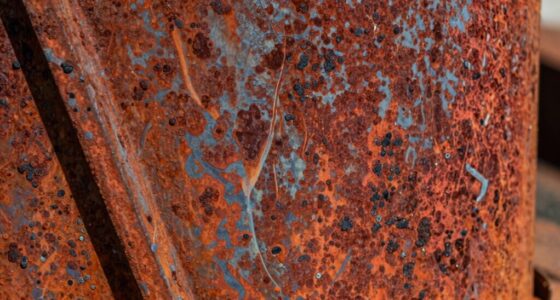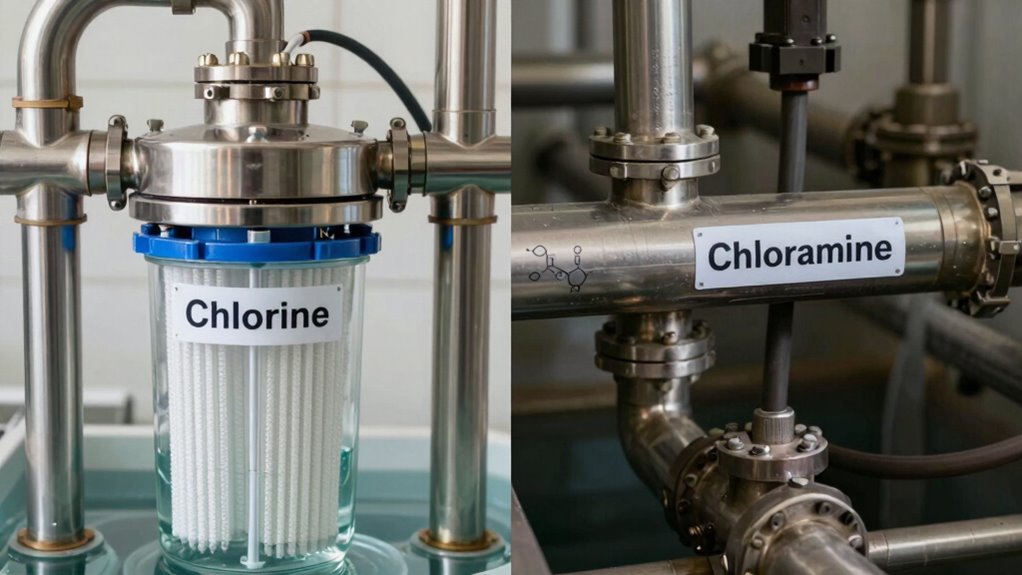

Choosing between chlorine and chloramine affects your water treatment equipment because their chemical behaviors differ. Chlorine acts quickly but dissipates faster, which can cause corrosion and require frequent dosing and compatible materials. Chloramine, being more stable, reduces maintenance but needs specialized systems for removal and can lead to different byproducts. Your decision will influence equipment longevity, safety standards, and overall water quality—keep exploring to understand how each choice impacts your system.

Get home appliances delivered free — and shop member deals
- Fast, free delivery on millions of items
- Access to Prime Big Deal Days deals on October 6–7
- Prime Video, Amazon Music and more included
Key Takeaways
- Chlorine’s quick dissipation necessitates frequent dosing equipment, while chloramine’s stability allows for reduced dosing frequency.
- Chlorine can cause corrosion in certain materials, requiring compatible, corrosion-resistant equipment; chloramine is less volatile.
- Equipment for removing chloramine, such as specialized filters, may increase initial costs and maintenance complexity.
- The choice impacts residual stability, influencing long-term water quality and compliance with safety standards.
- Long-term operational costs vary, with chloramine often reducing maintenance but potentially complicating residual removal processes.
When choosing between chlorine and chloramine for your water treatment, understanding their differences is essential to making an informed decision. Both chemicals serve as disinfectants, but they behave quite differently once added to water. Your choice impacts not just water quality but also the equipment you’ll need to maintain a safe, clean system. Chlorine is a popular disinfectant because it acts quickly and is easy to dose. It’s highly effective at eliminating bacteria and viruses, making it a reliable choice for many water treatment systems. However, chlorine’s chemical stability is limited; it tends to dissipate over time, especially when exposed to sunlight, heat, or organic material. This means continuous dosing may be required to maintain effective disinfection levels, which can influence your equipment choices. Additionally, chloramine’s stability can influence the types of residuals and byproducts formed during water treatment.
Chloramine, on the other hand, is formed when ammonia is added to chlorine. It’s known for its greater chemical stability, which allows it to persist longer in the water. Because chloramine remains more stable, it provides a consistent disinfectant residual over extended periods. This stability means you may not need to dose as frequently, reducing the wear and tear on your equipment. But it’s not just about longevity; chloramine’s stability also affects the type of water treatment equipment you’ll want to install. Some systems are designed specifically to handle chloramine, which can be more challenging to remove in later stages if you wish to do so. If your goal is to minimize maintenance and ensure a steady disinfectant level, chloramine’s chemical stability gives it an advantage.
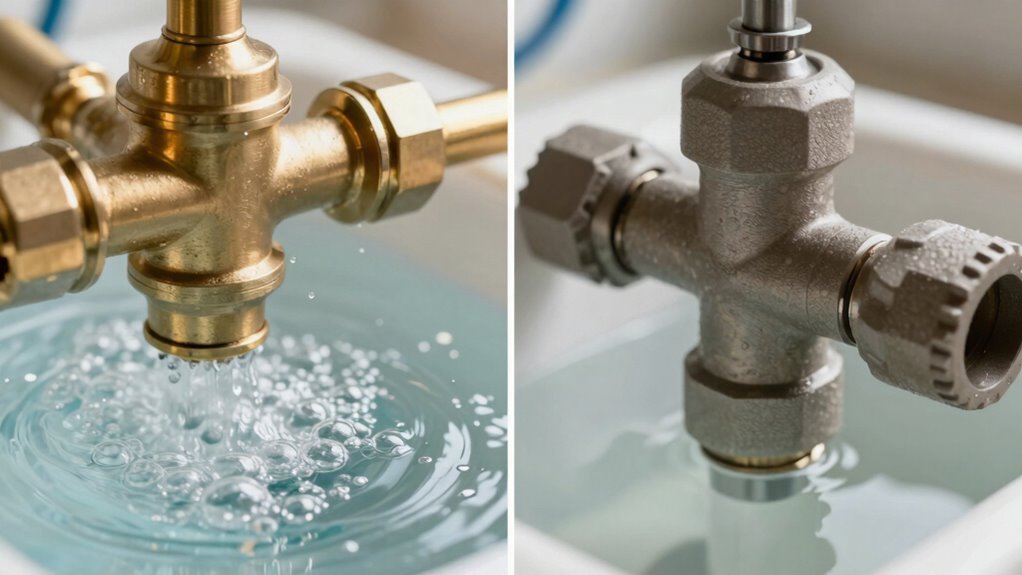
Your decision also hinges on how your equipment interacts with these chemicals. Chlorine’s volatility can cause corrosion in certain materials, so your system should be compatible with chlorine’s properties to prevent damage. Conversely, chloramine’s stability means it’s less likely to cause immediate corrosion but can create different challenges, like the formation of disinfection byproducts that require specialized treatment. Understanding the disinfection residual and how it interacts with your system can help ensure optimal water quality and equipment longevity. Recognizing these chemical behaviors is essential because the byproducts formed during treatment can vary significantly depending on which disinfectant you choose. Moreover, selecting the appropriate disinfectant can influence the long-term maintenance needs and operational costs of your water treatment setup. Additionally, the presence of chloramine may necessitate the use of specific removal methods to ensure your water meets all safety standards. It’s also important to consider the potential impact on human health, as byproducts from chloramine can differ in toxicity compared to those from chlorine.
As an affiliate, we earn on qualifying purchases.
Frequently Asked Questions
How Does Each Disinfectant Affect Aquatic Plant Growth?
Chlorine can harm aquatic plant health by disrupting nutrient absorption and potentially causing stress or damage. Chloramine, on the other hand, tends to be more stable and less likely to interfere with plant growth, maintaining a healthier environment. The disinfectant nutrient impact varies, so choosing chloramine helps preserve aquatic plant health, supporting their growth without introducing harmful byproducts that could hinder their development.
Are There Health Risks Associated With Long-Term Exposure to Chloramine?
Long-term exposure to chloramine can pose health concerns, especially if you’re frequently exposed or have sensitive skin or respiratory issues. While chloramine is generally considered safe at regulated levels, prolonged contact may cause skin irritation, respiratory problems, or other health risks. It’s important to use proper protective gear and guarantee good ventilation when handling chloramine, and stay informed about safe exposure limits to minimize potential health concerns over time.
Can Switching Disinfection Methods Impact Water pH Levels?
Switching disinfection methods can impact water pH levels because different chemicals cause varying chemical reactions that affect pH stability. Chlorine tends to lower pH slightly, while chloramine often maintains more stable pH levels. When you switch, you might notice shifts in pH, which can influence corrosion potential and water taste. Regular testing and adjustments help maintain ideal pH, ensuring your water remains safe and balanced despite the disinfection method change.
Which Disinfectant Is More Environmentally Friendly?
You’ll find chloramine more eco-friendly, as it produces fewer harmful disinfection byproducts—reducing environmental impact by up to 50%, according to recent studies. Its chemical stability means it lasts longer in water, reducing the need for frequent treatments. For those seeking sustainable options, eco-friendly alternatives like chloramine are increasingly popular, helping protect ecosystems and water quality. Making the switch supports a healthier environment while maintaining effective water disinfection.
How Do Chlorine and Chloramine Affect Equipment Longevity?
Chlorine and chloramine impact equipment longevity differently. Chlorine’s chemical stability can cause more rapid equipment corrosion, especially in metal parts, reducing lifespan. Chloramine is less aggressive, offering better resistance to corrosion and prolonging equipment life. If you prioritize equipment durability, chloramine’s lower corrosive potential makes it a better choice, even though it may require different treatment methods. Regular maintenance helps mitigate corrosion regardless of the disinfectant used.
As an affiliate, we earn on qualifying purchases.
Conclusion
Choosing between chlorine and chloramine isn’t just about water purity—it directly impacts your equipment’s lifespan. While some believe chloramine’s stability makes it better for your plumbing, others argue chlorine’s easier removal reduces maintenance. The truth? Your choice depends on your system and water usage. By understanding these differences, you can make an informed decision that prolongs your equipment’s life and keeps your water quality high. Trust the facts, and select what’s best for your setup.
corrosion-resistant water disinfection equipment
As an affiliate, we earn on qualifying purchases.
As an affiliate, we earn on qualifying purchases.
water treatment system for chloramine
As an affiliate, we earn on qualifying purchases.
As an affiliate, we earn on qualifying purchases.
Fall yard work Picks
leaf blowers
As an affiliate, we earn on qualifying purchases.