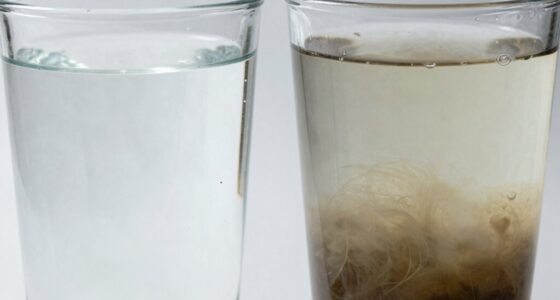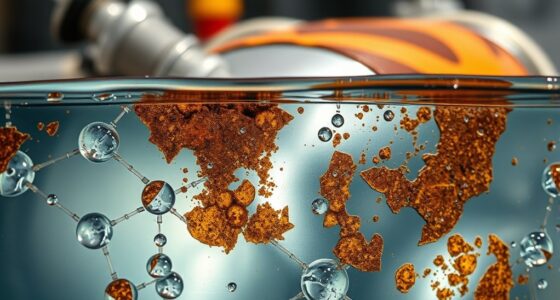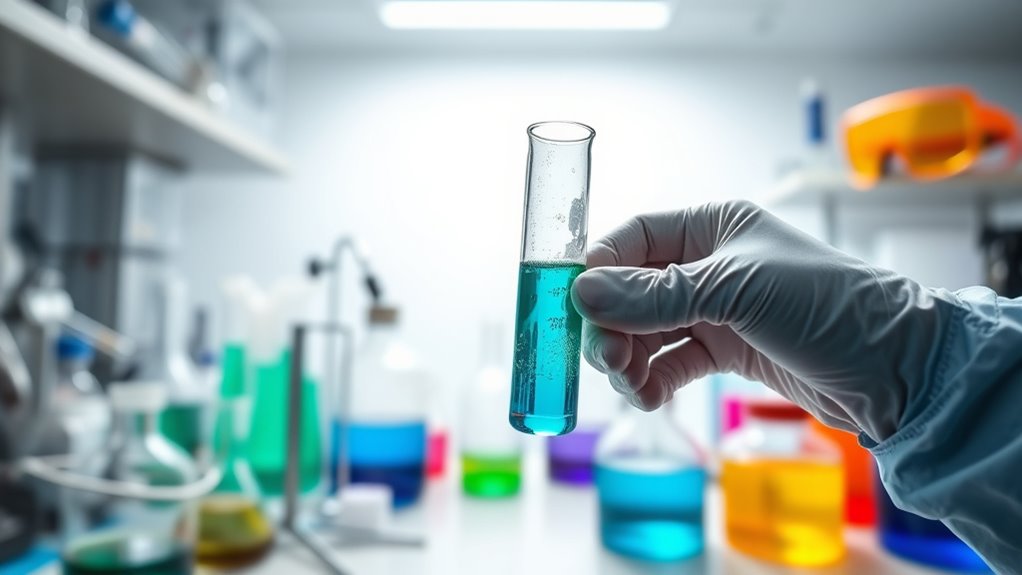

To safely remove chloramine and chlorine from water, understand their chemical differences and use proper PPE like gloves, goggles, and masks. Always ventilate your work area and choose the right removal methods such as activated carbon or aeration. Test your water before and after treatment to confirm effectiveness, and never mix chemicals without knowing their reactions. Be aware of harmful byproducts, follow manufacturer instructions, and store chemicals safely—if you keep going, you’ll discover how to do this safely every time.

Get home appliances delivered free with Prime
- Fast, free delivery on millions of items
- Prime Video, Amazon Music and more included
- Member-only deals all year
Key Takeaways
- Proper PPE, including gloves and goggles, is essential to prevent chemical exposure during chloramine and chlorine removal.
- Ventilate work areas thoroughly to reduce inhalation risks from vapors and gases.
- Test water before and after treatment to verify effective removal and monitor for harmful byproducts.
- Match removal method (activated carbon, aeration) to water chemistry for maximum safety and efficiency.
- Store chemicals securely, following labeling and safety instructions to prevent spills, accidents, and chemical hazards.
As an affiliate, we earn on qualifying purchases.
Understand the Chemical Differences Between Chloramine and Chlorine
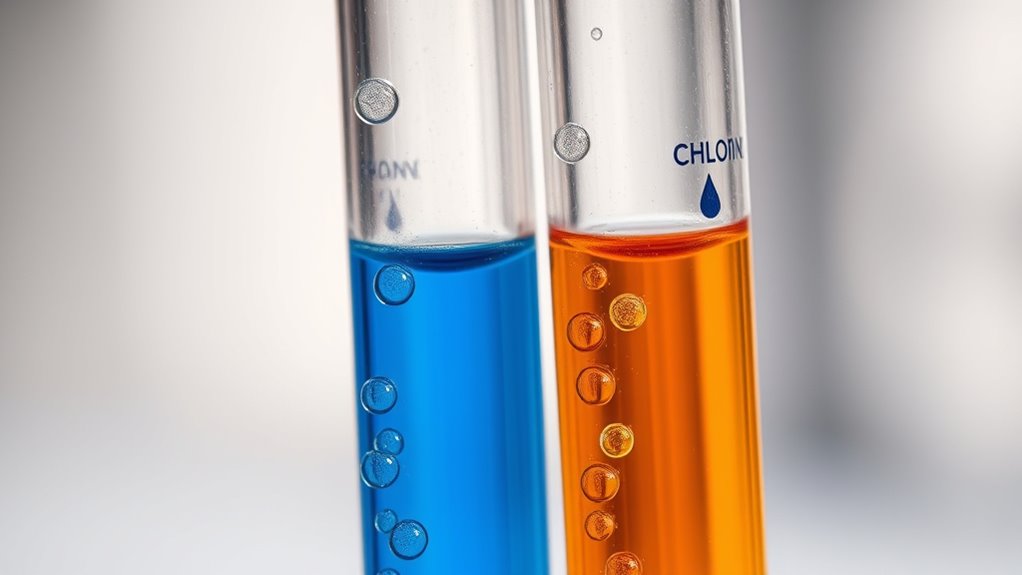
While both chloramine and chlorine are commonly used disinfectants in water treatment, they are chemically distinct compounds. Chloramine, formed by combining ammonia with chlorine, offers greater chemical stability, meaning it remains effective longer in water. Chlorine, on the other hand, is a more reactive compound that quickly breaks down but provides rapid disinfection. These differences are influenced by pH levels; chloramine’s stability is less affected by pH changes, allowing it to persist across a broader pH range. Chlorine’s effectiveness, however, varies more with pH, with higher pH reducing its disinfectant power. Understanding these chemical distinctions helps you grasp why each disinfectant behaves differently and what factors, like pH, impact their performance in water treatment. Additionally, ongoing research into AI security emphasizes the importance of monitoring complex systems, similar to understanding chemical behaviors in water treatment.
water testing kit for chlorine and chloramine
As an affiliate, we earn on qualifying purchases.
As an affiliate, we earn on qualifying purchases.
Use Proper Personal Protective Equipment (PPE) During Removal
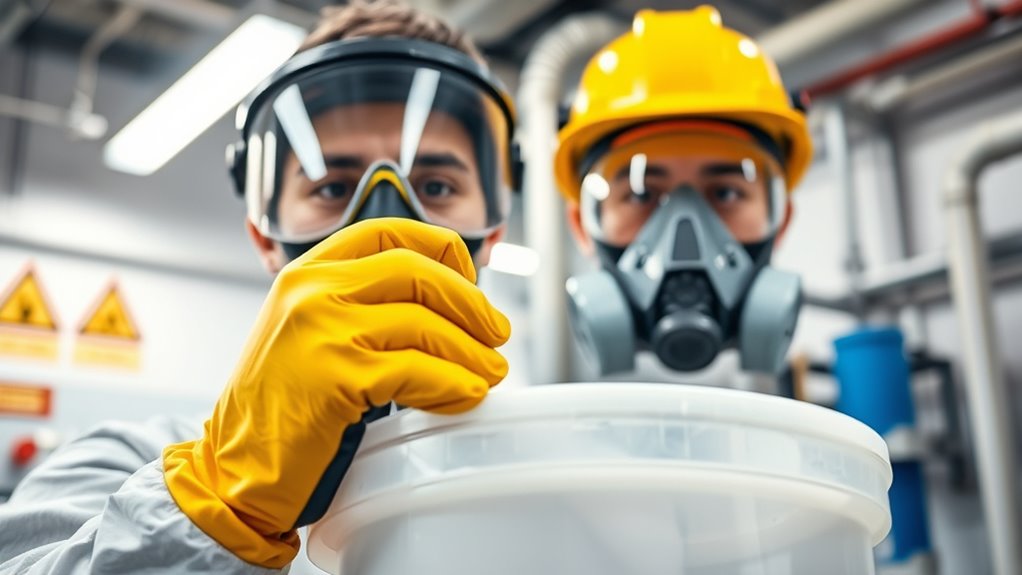
When removing chloramine or chlorine from water, wearing proper personal protective equipment (PPE) is crucial to guarantee your safety. Always use protective gear like chemical gloves, goggles, and a respirator if fumes are present. Chemical gloves protect your skin from harmful chemicals, while goggles shield your eyes from splashes. A respirator helps prevent inhalation of vapors during handling. Here’s a quick guide:
| PPE Item | Purpose |
|---|---|
| Chemical gloves | Protect skin from chemicals |
| Safety goggles | Prevent eye irritation |
| Respirator mask | Avoid inhaling harmful vapors |
Prioritize PPE to minimize risks and ensure safe removal of chloramine or chlorine from water. Incorporating protective equipment and following safety protocols can further reduce exposure risks.
As an affiliate, we earn on qualifying purchases.
Ventilate the Area Well to Avoid Inhalation of Harmful Vapors
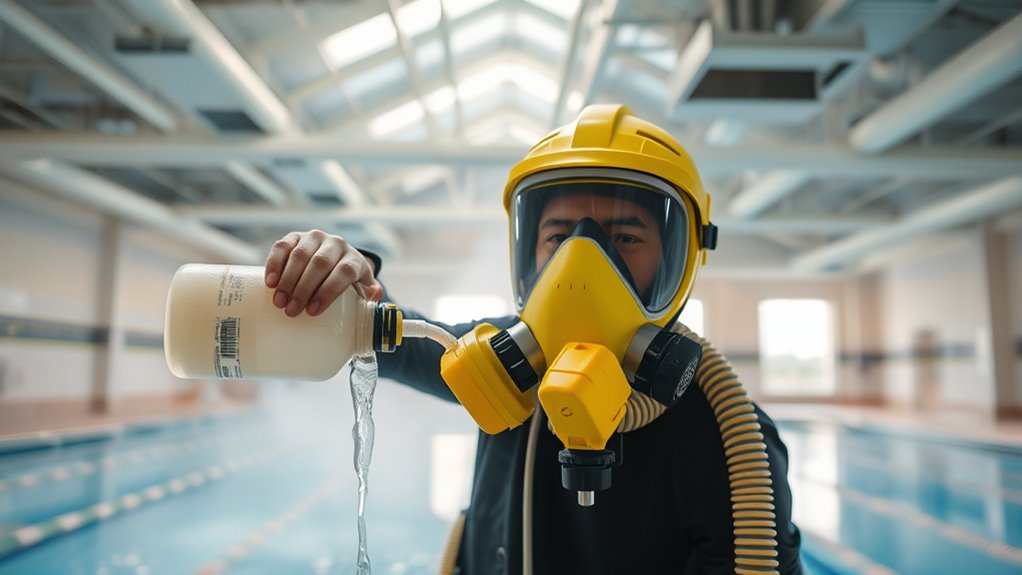
To prevent inhaling harmful vapors during chloramine or chlorine removal, it’s essential to guarantee proper ventilation in your work area. Good airflow improves air quality and helps with odor control, reducing health risks. You should take these steps:
- Open windows and doors wide to increase natural ventilation
- Use exhaust fans to pull vapors outside
- Keep doors and windows open throughout the process
- Avoid confined spaces; work in well-ventilated areas only
- Consider using portable air purifiers for added air quality support
- For enhanced safety, upgrade your ventilation systems to ensure consistent airflow and vapor removal.
Proper ventilation minimizes the buildup of dangerous fumes and ensures you breathe cleaner, safer air. Always prioritize fresh air flow to protect yourself from inhaling harmful vapors during chemical removal.
air purifiers for chemical vapors
As an affiliate, we earn on qualifying purchases.
As an affiliate, we earn on qualifying purchases.
Choose the Right Removal Method for Each Disinfectant
Choosing the right removal method depends on how quickly and effectively you need to eliminate disinfectants. You’ll also want to take into account the cost and convenience of each option to fit your situation. Making the right choice guarantees safe, efficient removal without unnecessary expense or effort. Incorporating advanced cleaning strategies can further enhance your ability to manage residue effectively.
Effectiveness and Speed
Selecting the right removal method depends on how quickly and effectively it can eliminate chloramine or chlorine from your water. For rapid results, activated carbon filters are highly effective, especially when pH balance and residual levels are optimized. Chloramine removal typically takes longer than chlorine, so choose methods like catalytic carbon for faster action. To compare effectiveness and speed:
- Activated carbon filters work quickly on chlorine but need time for chloramine
- Catalytic carbon accelerates chloramine removal
- Water aeration offers rapid removal for both disinfectants
- Adjusting pH can enhance removal efficiency
- Residual levels influence how much treatment is needed
- AI discoveries are shaping new approaches to water treatment technologies.
Ensuring your chosen method matches your water’s pH balance and residual levels guarantees faster, more effective removal, reducing health risks and improving water quality.
Cost and Convenience
When considering cost and convenience, activated carbon filters are a popular choice because they’re affordable and easy to install for household use. A straightforward cost analysis shows that these filters are budget-friendly upfront and require minimal maintenance, making them ideal for daily use. Convenience factors also favor carbon filters because they don’t need complex setup or electrical power, allowing you to install and replace them quickly. While other methods like chemical treatments or advanced systems may offer benefits, they often come with higher costs and more involved maintenance routines. Additionally, personal development techniques such as mindfulness and goal setting can help you stay committed to maintaining your water quality routine. For most homeowners, activated carbon filters strike the right balance between affordability and ease of use, making them a practical solution for removing chloramine and chlorine efficiently without complicating your routine.
Test Water Before and After Treatment to Confirm Effectiveness
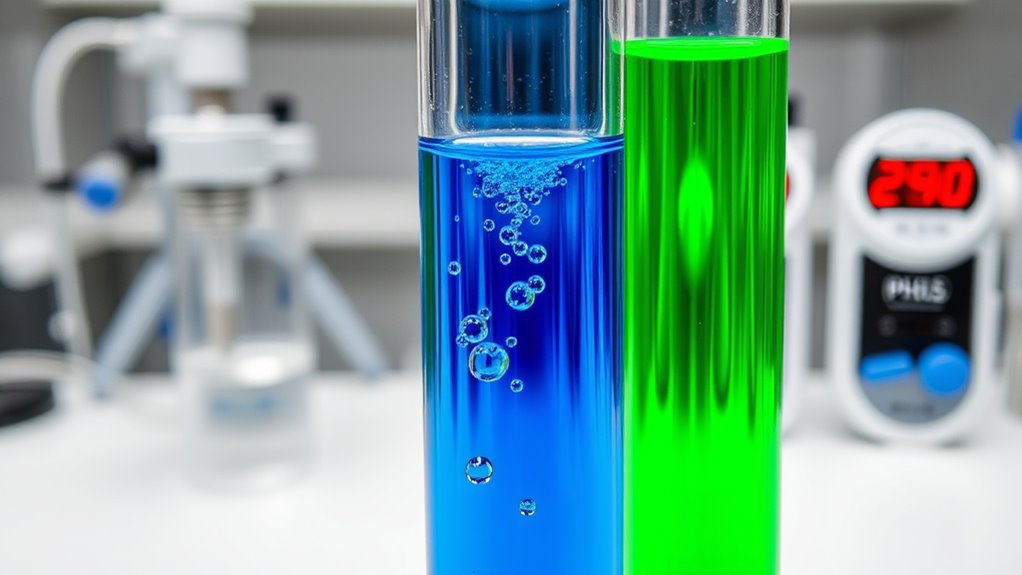
Testing your water before and after treatment is essential to confirm that your chloramine or chlorine removal methods are working effectively. Conducting water testing helps with treatment verification, ensuring your water is safe to use. You should test for residual chloramine or chlorine levels both prior to and following treatment. This confirms whether your chosen method is successful. Remember, without proper testing, you could falsely assume your water is safe. Use reliable test kits or meters designed for chloramine and chlorine detection. Key points to consider include:
- Testing confirms treatment effectiveness
- Use accurate water testing tools
- Test both before and after treatment
- Document your results for reference
- Adjust your methods based on test outcomes
- Regular testing ensures ongoing water safety and compliance.
Avoid Mixing Chemicals Without Proper Knowledge
Using the right chemicals to remove chloramine or chlorine is only effective if you manage them correctly. Mixing chemicals without proper knowledge can lead to dangerous chemical reactions, creating harmful byproducts or releasing toxic gases. Always understand each chemical’s purpose and compatibility before combining them. Safety precautions are essential—wear protective gear, work in well-ventilated areas, and follow manufacturer instructions precisely. Misjudging chemical interactions can cause unexpected reactions, posing health risks or damaging your equipment. Never assume that mixing two chemicals is safe based on guesswork or incomplete information. Take the time to research and understand the proper procedures. Proper handling of chemicals not only ensures effective chloramine or chlorine removal but also keeps you safe from avoidable hazards. Chemical compatibility is crucial to prevent hazardous reactions during the process.
Be Aware of Potential Byproducts and Their Hazards
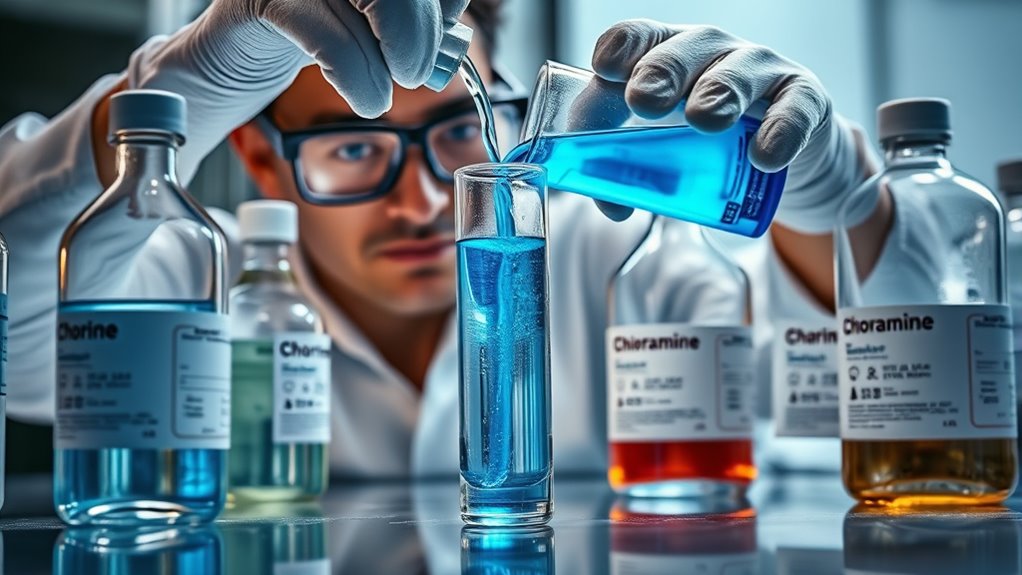
Understanding the potential byproducts formed during chloramine or chlorine removal is essential because these substances can pose significant health risks if not managed properly. During the process, chemical toxicity may increase due to unintended byproduct formation, which can be harmful if ingested or touched. Be alert to these hazards:
Understanding byproduct risks during chloramine or chlorine removal is vital for safe water management.
- Formation of trihalomethanes (THMs) and haloacetic acids (HAAs)
- Increased risk of chemical toxicity from residual chemicals
- Byproducts that may irritate skin or eyes
- Potential carcinogens resulting from improper treatment
- Unpredictable reactions with organic matter in water
Monitoring analytical cookies helps detect and understand these byproducts’ presence and concentrations.
These byproducts can compromise water safety, so understanding and monitoring potential byproduct formation helps prevent health issues. Always treat water carefully to minimize harmful chemical toxicity and avoid exposure to dangerous byproducts.
Follow Manufacturer Instructions for Water Treatment Products
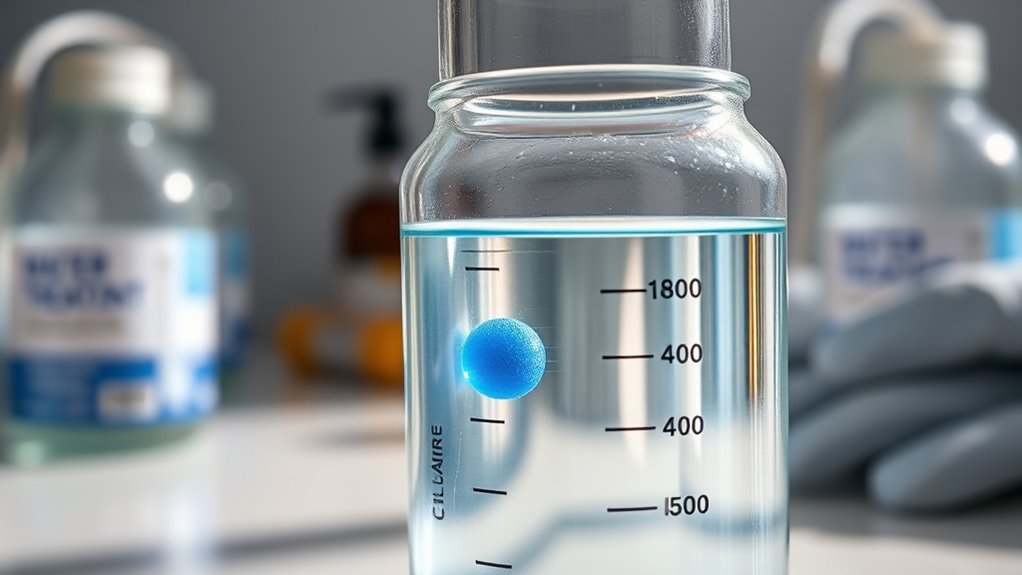
Always read the product label carefully before using any water treatment chemical. Follow the dosage instructions exactly to guarantee safety and effectiveness. Stick to the usage guidelines to prevent over- or under-treatment of your water supply. Understanding the ethical hacking principles behind security testing can help you recognize the importance of following proper procedures to avoid unintended consequences.
Read Product Labels Carefully
Because water treatment products vary widely, it’s essential to read the labels carefully before use. Proper product label interpretation guarantees you understand how to handle the chemicals safely and effectively. Pay close attention to chemical warning labels, which highlight hazards like toxicity or corrosiveness. Misreading these labels can lead to health risks or product misuse. To stay safe, remember to:
- Follow all safety instructions on the label
- Look for specific application directions
- Check for recommended dosages
- Note any storage requirements
- Identify safety symbols and warnings
Follow Dosage Instructions Precisely
Reading product labels helps you grasp the proper handling and safety measures for water treatment chemicals. To guarantee safe and effective removal of chloramine or chlorine, you must follow dosage instructions precisely. Accurate measurement is essential because dosage accuracy directly impacts how well the chemicals work and your safety. Using too much can cause harmful residues, while too little may leave contaminants behind. Always use the recommended tools, such as measuring cups or droppers, to maintain measurement precision. Avoid guesswork or eyeballing the amount; precision prevents errors. Double-check your measurements before adding chemicals to your water. By sticking to manufacturer instructions and ensuring measurement accuracy, you minimize risks and achieve the best results in water treatment.
Adhere to Usage Guidelines
To guarantee safe and effective water treatment, it’s essential that you follow the manufacturer’s instructions closely. Proper adherence ensures correct dosage, pH adjustment, and odor control, preventing potential health risks. Ignoring guidelines can lead to ineffective chloramine or chlorine removal, leaving harmful residues. Always review product labels for specific directions on usage and safety precautions. Keep in mind:
- Use recommended amounts for your water volume
- Follow timing instructions carefully
- Maintain proper pH levels for ideal results
- Store products safely, away from children
- Avoid mixing chemicals unless specified
Adhering to these guidelines helps you achieve the desired odor control and ensures safe, clean water without overuse or under-treatment. Precision in following instructions makes your water treatment both effective and safe.
Store Chemicals Safely and Keep Them Out of Reach of Children
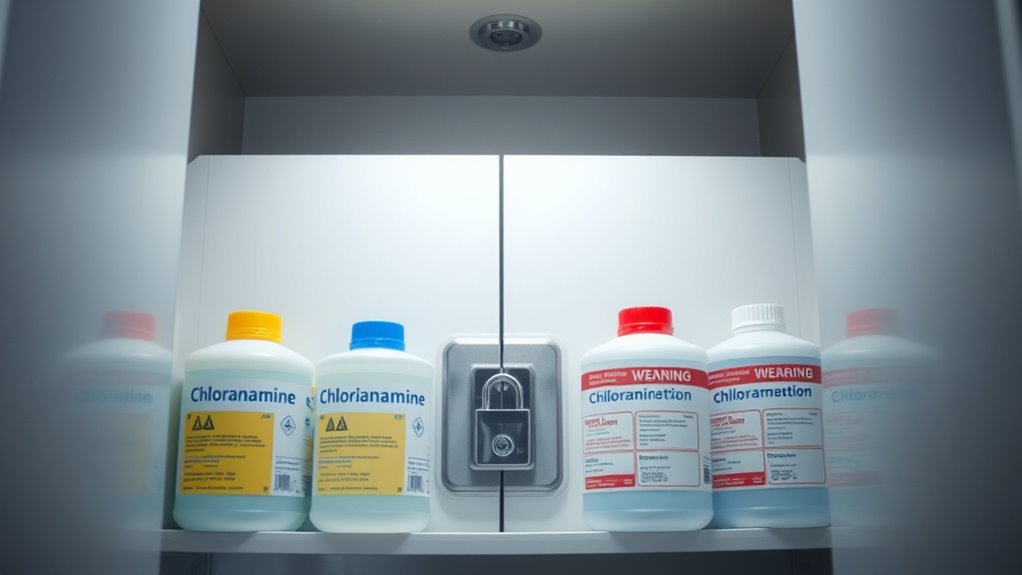
Storing chemicals safely is essential to prevent accidental exposure or poisoning, especially when children are around. Use childproof storage containers to keep hazardous substances secure. Make sure these containers are clearly labeled with accurate chemical labeling to identify contents easily. Store chemicals in a high, locked cabinet out of children’s reach. Never leave chemicals in open or accessible areas where kids might stumble upon them. Check labels regularly to ensure proper storage instructions are followed. Keep cleaning agents, disinfectants, and other hazardous chemicals separate from food and drinks. Proper storage not only protects children but also prevents spills and accidents. Being cautious with storage practices is a simple yet crucial step toward ensuring a safe environment for everyone.
Frequently Asked Questions
Can Chloramine Removal Methods Affect Water Ph Levels?
Yes, chloramine removal methods can affect water pH levels. When you use chemical treatments like activated carbon or vitamin C, they may cause pH fluctuation due to changes in chemical stability. These methods alter the water’s chemistry, impacting how stable the pH remains. To maintain safe and balanced water, monitor pH levels regularly and adjust as needed to prevent issues caused by shifts in chemical stability.
Are There Health Risks if I Don’t Wear PPE During Removal?
Skipping your protective gear during chloramine removal is like walking through a minefield blindfolded—you risk chemical burns, skin irritation, and respiratory issues. Wearing proper PPE is your shield against hazardous fumes and splashes, ensuring chemical safety. Neglecting this precautions puts your health in unnecessary danger, turning a simple task into a potential health hazard. Always gear up; your safety depends on it, and chemicals won’t wait for you to be prepared.
How Do I Recognize Improper Chemical Mixing?
You can recognize improper chemical mixing by observing unexpected chemical reactions like bubbling, color changes, or fumes. If you notice these signs, stop immediately and follow safety protocols. Always add chemicals slowly and carefully, guaranteeing proper ventilation. Incorrect mixing can cause hazardous reactions, so it’s essential to monitor the process closely. Proper training and adherence to safety procedures help prevent dangerous incidents and ensure safe, effective chloramine or chlorine removal.
What Are the Long-Term Effects of Residual Chemicals?
Like a slow leak that erodes a ship, residual chemicals can cause long-term health issues if left unchecked. You might experience skin irritation, respiratory problems, or even more serious conditions over time. Chemical buildup can also harm the environment, contaminating water sources and wildlife. To protect yourself and the planet, regularly monitor and properly remove residual chemicals, minimizing their environmental impact and ensuring safer long-term health.
Can Children or Pets Be Exposed During Treatment Processes?
Yes, children and pets can be exposed during treatment processes if safety measures aren’t followed. Child safety should always come first—avoid using water with residual chemicals for drinking or bathing until treatment is complete. Pet exposure is also a concern; keep them away from treated water until it’s safe. Always follow recommended guidelines and thoroughly flush systems to minimize risks for both kids and pets.
Conclusion
Did you know that improper removal of chloramine and chlorine can cause health issues or water damage? Following these nine safety rules helps guarantee you’re handling these chemicals correctly. Remember, over 90% of households rely on treated tap water, making safe removal essential. By staying informed and cautious, you protect yourself and your loved ones. Keep safety first—your health depends on it.
Cold & flu season Picks
humidifiers
As an affiliate, we earn on qualifying purchases.