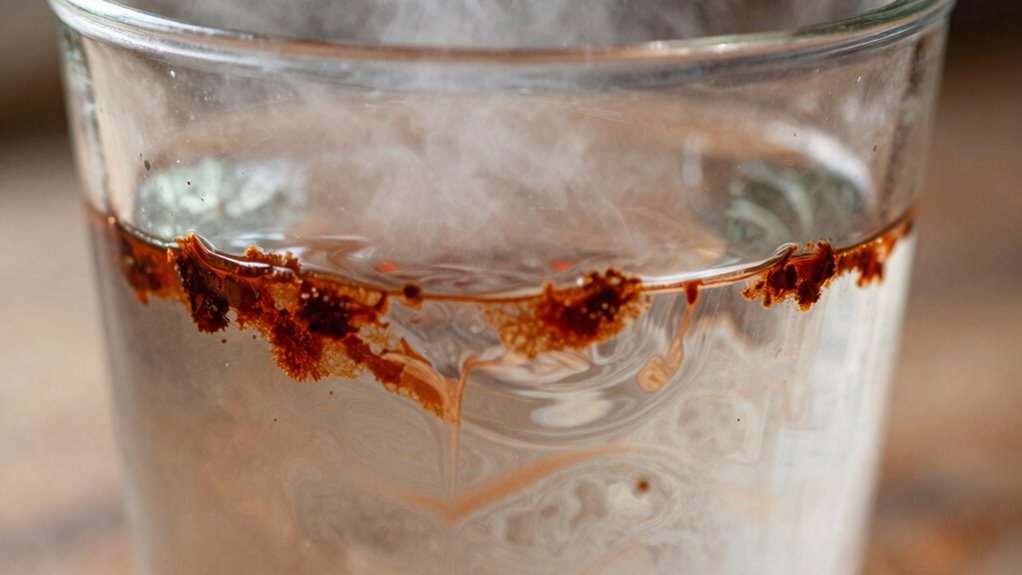

If your hot water smells weird, it’s usually caused by bacteria, mineral buildup, or corrosion inside your water heater. Bacteria thrive in warm, stagnant conditions and produce foul odors like rotten eggs. Mineral deposits from hard water can also insulate parts of the tank, encouraging bacterial growth and releasing gases that smell. Maintaining your water heater, like flushing and inspecting the anode rod, can help prevent these issues—continue exploring to see how you can fix it.

Get home appliances delivered free — and shop member deals
- Fast, free delivery on millions of items
- Access to Prime Big Deal Days deals on October 6–7
- Prime Video, Amazon Music and more included
Key Takeaways
- Bacteria thrive in the warm, stagnant environment inside the water heater, causing foul odors only when water is heated.
- Mineral buildup inside the tank reacts with hot water, releasing gases that produce unpleasant smells.
- The anode rod may be depleted or covered in deposits, reducing its ability to prevent bacterial growth and odors.
- Lack of regular maintenance, such as flushing and descaling, allows bacteria and mineral deposits to accumulate, leading to smell issues.
- Gas release from mineral deposits reacting within the tank can cause a sulfur or rotten egg smell only in hot water.
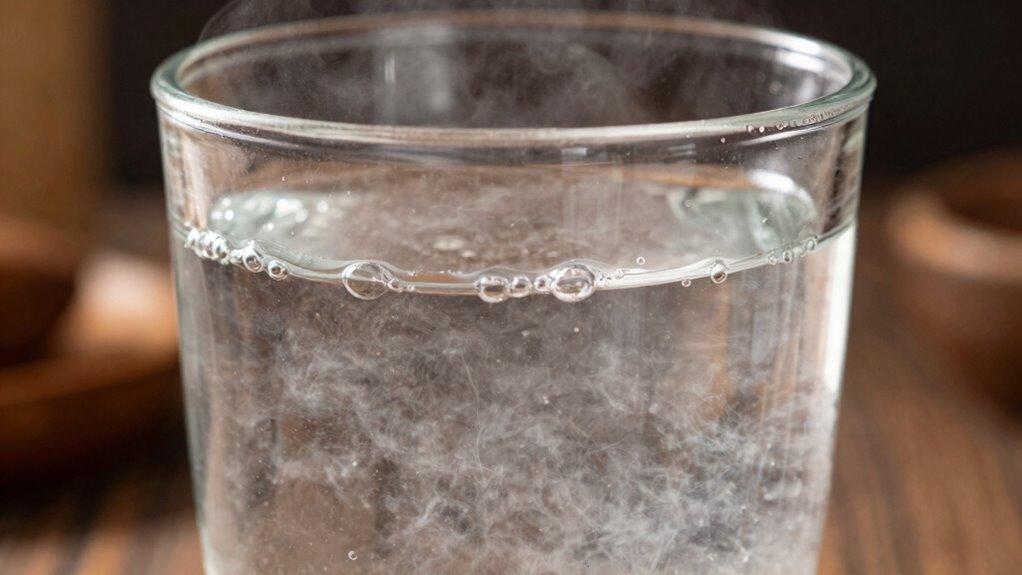
If your hot water suddenly smells strange, you’re not imagining things. This issue often points to underlying problems with your water heater or mineral buildup issues within the system. When you turn on hot water and notice an unusual odor, it’s a sign that something needs your attention. The cause isn’t usually related to the cold water supply, which is why the smell only appears when the water is heated. Understanding the root of the problem can help you address it effectively.
One common cause is bacteria growth inside your water heater. Over time, bacteria can develop in the tank, especially if the heater isn’t maintained regularly. These bacteria thrive in warm, stagnant environments and produce sulfur or rotten egg smells that become prominent when the water heats up. Regular water heater maintenance can prevent these bacteria from multiplying. Flushing the tank periodically, inspecting the anode rod, and cleaning out sediment buildup are vital steps. If neglected, these mineral buildup issues can create the perfect environment for bacteria to flourish, leading to foul odors. Proper maintenance routines, including descaling, can help reduce mineral deposits and inhibit bacterial growth.
Mineral buildup issues are another significant factor. Hard water contains high levels of minerals like calcium and magnesium, which can accumulate inside your water heater over time. When these deposits build up, they create a layer of scale that insulates the tank’s heating element. This not only reduces efficiency but also encourages the development of bacteria and molds on the mineral deposits. As the minerals break down or react with other substances, they can release gases that cause unpleasant smells. Regularly draining and descaling your water heater can help remove these mineral deposits and prevent odors from forming.
Additionally, the anode rod in your water heater plays a role in preventing corrosion and bacterial growth. If it becomes depleted or covered in mineral deposits, its ability to protect the tank diminishes, increasing the likelihood of foul odors. Replacing or inspecting the anode rod during routine maintenance can help you nip this problem in the bud. Furthermore, water heater maintenance is essential in preventing odor issues caused by bacteria and mineral buildup.
water heater anode rod replacement kit
As an affiliate, we earn on qualifying purchases.
As an affiliate, we earn on qualifying purchases.
Frequently Asked Questions
Can Water Smell Weird in Both Hot and Cold States Simultaneously?
Yes, water can smell weird in both hot and cold states simultaneously. You might notice a metallic taste or a sulfur smell regardless of temperature, often caused by mineral or bacterial contamination. Hot water can intensify these odors, making them more noticeable. If you experience this, it’s best to have your water tested and consider installing filters or consulting a professional to address the issue and make certain of safe, odor-free water.
Does Aging Plumbing Increase the Likelihood of Hot Water Odor?
Aging plumbing markedly increases the likelihood of hot water odors, as over 60% of homes with older pipes experience corrosion issues. As pipes corrode, they release metals and bacteria that cause unpleasant smells. Pipe corrosion is common in aging systems, making hot water more prone to developing odors. Regular inspections and pipe replacements help prevent these issues, ensuring your hot water remains fresh and odor-free.
Can a Water Softener Eliminate Hot Water Smells?
A water softener can help eliminate hot water smells by reducing minerals that cause odor and improving water quality. It also aids in chlorine removal, which can contribute to funky odors in hot water. By softening your water, you’ll notice fresher, better-tasting hot water. Keep in mind, though, if odors persist, you might need to check your plumbing or consider additional filtration options for complete odor removal.
Are Certain Household Materials More Prone to Causing Hot Water Odors?
Think of your household materials as actors on a stage, each with a role that influences hot water odors. Certain materials, like old pipes or metal fixtures, are more prone to corrosion risks and material reactions that cause smells. These reactions release sulfur or other compounds into the water, especially when heated. So, you should pay attention to your plumbing materials, as they can markedly impact hot water’s scent.
How Often Should I Flush My Water Heater to Prevent Odors?
You should flush your water heater at least once a year to prevent odors. Regular water heater maintenance helps remove sediment buildup that causes bad smells, especially in hot water. Follow odor prevention tips like inspecting the anode rod and flushing the tank regularly. Doing so keeps your hot water smelling fresh, extends your water heater’s lifespan, and ensures your household has clean, odor-free hot water whenever you need it.
water heater descaling and flushing kit
As an affiliate, we earn on qualifying purchases.
As an affiliate, we earn on qualifying purchases.
Conclusion
So, the next time your hot water suddenly smells off, remember it’s probably not a plumbing nightmare or toxic surprise. Ironically, heating your water, which should make it more comfortable, can bring out the oddest smells. Instead of worrying, just know it’s often a simple fix like flushing the system or replacing an anode rod. Sometimes, the thing we fear most in hot water is just a minor glitch—nothing to ruin your day, or your taste buds.
water heater bacteria removal treatment
As an affiliate, we earn on qualifying purchases.
As an affiliate, we earn on qualifying purchases.
As an affiliate, we earn on qualifying purchases.
Fall yard work Picks
leaf blowers
As an affiliate, we earn on qualifying purchases.