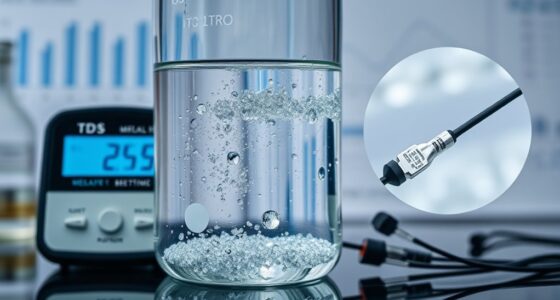

Many whole-house PFAS treatment systems overpromise what they can normally achieve. They’re designed mainly to reduce PFAS levels, not eliminate them entirely, and struggle with industrial contamination or resistant compounds. Effectiveness varies across PFAS types and current regulations may limit how much they can remove. Costs can also be high, and upgrades may soon be needed due to evolving standards. To truly understand what your options can do, keep exploring the facts behind these claims.

Get home appliances delivered free — and shop member deals
- Fast, free delivery on millions of items
- Access to Prime Big Deal Days deals on October 6–7
- Prime Video, Amazon Music and more included
Key Takeaways
- Whole-house PFAS systems often only reduce, not fully eliminate, PFAS from water sources.
- Industrial contamination and chemical resistance limit the effectiveness of many treatment systems.
- Variability in PFAS compounds makes comprehensive removal challenging with standard technologies.
- Evolving regulations may require costly upgrades, affecting long-term viability.
- No single system perfectly targets all PFAS types, necessitating additional treatment methods.

Many homeowners are hearing claims that whole-house PFAS treatments can completely eliminate these harmful chemicals from their homes, but the truth is more nuanced. While these systems are designed to reduce PFAS levels, they often face significant hurdles related to industrial contamination and regulatory challenges. PFAS, or per- and polyfluoroalkyl substances, are widespread in industrial processes, manufacturing, and waste disposal. When these chemicals contaminate groundwater or municipal water supplies, the challenge for treatment systems becomes complex. You need to understand that not all contaminants are equally accessible or removable through standard filtration methods.
Industrial contamination introduces a variety of PFAS compounds, some of which are highly resistant to conventional treatment. These chemicals can seep into aquifers from factories, waste sites, or firefighting foam runoff, creating a persistent source of pollution. As a homeowner, you might invest in a whole-house treatment system, expecting it to handle this contamination effectively. However, the reality is that many of these systems are not specifically designed to target all types of PFAS or the full spectrum of their chemical structures. The variability in PFAS compounds means that a treatment effective against one may only partially reduce another. This leads to the misconception that a single system can completely eliminate PFAS, which isn’t always the case.
Adding to the complexity are regulatory challenges. Governments and agencies around the world are still developing standards and guidelines for acceptable PFAS levels in drinking water. Because regulations are evolving, manufacturers often design treatment systems based on current, sometimes outdated, standards. This creates a situation where even the best available technology may not meet future or stricter regulatory limits. As a homeowner, you might find yourself in a situation where your system’s capabilities are limited by existing regulations, which can delay or hinder the implementation of more effective solutions. It’s important to stay informed about regulatory developments that could impact treatment options and standards. Additionally, understanding the limitations of current treatment technologies is crucial for setting realistic expectations. Recognizing the complexity of PFAS contamination can help homeowners better appreciate the challenges involved in remediation. Staying updated on emerging research can also help homeowners make informed decisions about future upgrades. Being aware of the cost implications of advanced treatment methods can help set realistic expectations about the investments needed for effective PFAS remediation.
whole house PFAS water filter system
As an affiliate, we earn on qualifying purchases.
As an affiliate, we earn on qualifying purchases.
Frequently Asked Questions
Are There Health Risks Associated With Low-Level PFAS Exposure?
Low-level PFAS exposure can still pose health risks, especially over time. You might not notice immediate effects, but long-term exposure could lead to health implications like hormone disruption, immune system effects, or increased cancer risk. Your exposure levels matter—higher or prolonged contact increases risk. It’s important to monitor your environment and reduce exposure whenever possible, especially if you’re in areas with known PFAS contamination.
How Long Does It Take to Test a Home for PFAS?
Testing your home for PFAS typically takes a few days to a week, depending on sampling methods and lab workload. You’ll collect samples using specific, reliable methods to guarantee testing accuracy, such as water or dust samples. Once samples are sent to a certified lab, results usually arrive within a few days. This process helps you determine if PFAS levels are safe and if further action is needed.
Can DIY Methods Effectively Remove PFAS From Household Water?
Think of your household water as a guarded castle, and DIY filtration as a makeshift moat. While DIY methods can reduce PFAS levels, they aren’t foolproof. Water testing methods reveal whether your efforts are effective, but they require proper procedures. You can attempt simple filtration techniques like activated carbon filters, yet for complete safety, professional testing and certified filtration systems are recommended for effectively removing PFAS from your water supply.
What Are the Costs Involved in Whole-House PFAS Remediation?
The financial implications of whole-house PFAS remediation vary widely, depending on the extent of contamination and chosen remediation strategies. You might spend from a few thousand dollars for basic filtration upgrades to over ten thousand for thorough system replacements. Costs include professional assessments, specialized filtration systems, and ongoing maintenance. Carefully evaluate different remediation strategies to balance effectiveness and budget, ensuring you select options that best fit your home’s needs and your financial situation.
Are Certain Regions More Prone to PFAS Contamination Than Others?
Imagine PFAS contamination as hidden storms brewing over certain regions. Yes, some areas are more prone to regional contamination, especially around industrial sites or military bases. Geographic hotspots like parts of the Midwest, Southeast, and areas near manufacturing plants often face higher PFAS levels. These hotspots act like magnets, drawing in pollutants, making residents in these regions more vulnerable to exposure than others.
industrial contamination water filter
As an affiliate, we earn on qualifying purchases.
As an affiliate, we earn on qualifying purchases.
Conclusion
Now that you know the truth about whole-house PFAS claims, you’ll see it’s not as alarming as some reports suggest. Did you know that over 90% of PFAS exposure comes from everyday items like food and household products, not just water? This means you can take simple steps to reduce your risk without overhauling your entire home. Staying informed helps you make smarter choices, so you can protect yourself and your loved ones effectively.
As an affiliate, we earn on qualifying purchases.
advanced water filtration system for PFAS
As an affiliate, we earn on qualifying purchases.
As an affiliate, we earn on qualifying purchases.
Fall yard work Picks
leaf blowers
As an affiliate, we earn on qualifying purchases.