Hard water has high levels of minerals like calcium and magnesium, which can cause buildup, soap scum, and damage your appliances. Soft water, on the other hand, contains fewer minerals, making it easier to lather soap, clean surfaces, and extend appliance life. Knowing the difference helps you manage water quality and household maintenance better. If you keep exploring, you’ll discover how to make the most of each type and protect your home.

Get home appliances delivered free — and shop member deals
- Fast, free delivery on millions of items
- Access to Prime Big Deal Days deals on October 6–7
- Prime Video, Amazon Music and more included
Key Takeaways
- Hard water contains high levels of calcium and magnesium minerals, while soft water has lower mineral content.
- Hard water causes limescale buildup and reduces appliance efficiency; soft water prevents such issues.
- Hard water interferes with soap lathering, leading to soap scum; soft water produces better lather with less product.
- Soft water offers benefits like longer appliance lifespan, easier cleaning, and smoother skin compared to hard water.
- Water treatment methods like softeners and regular maintenance help manage mineral levels and improve water quality.
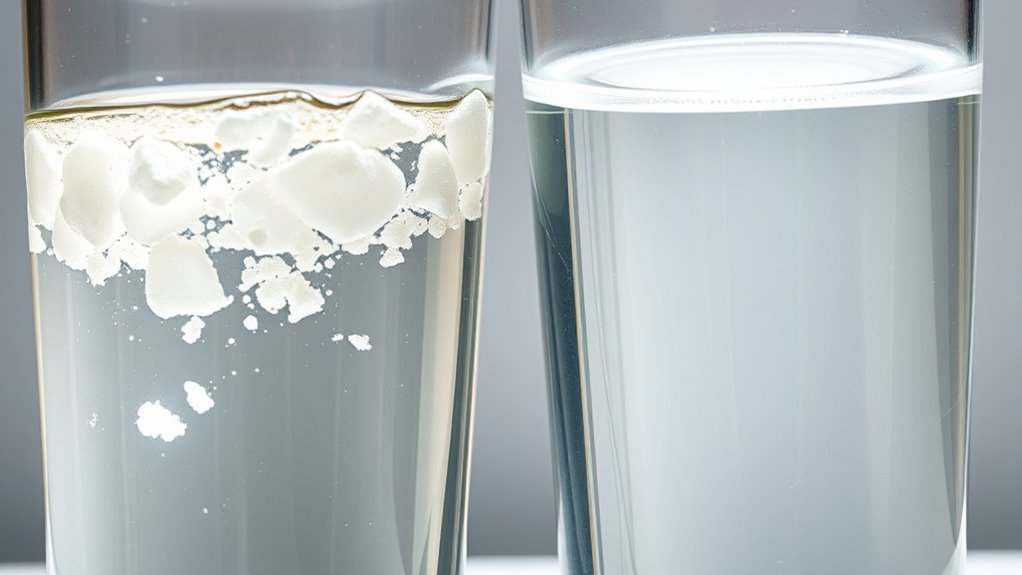
Have you ever wondered what makes your water feel different or cause soap to not lather properly? The answer often lies in the water’s mineral content, which directly impacts whether you’re dealing with hard or soft water. Hard water contains high levels of minerals, primarily calcium and magnesium, which are naturally picked up as water moves through rocks and soil. On the other hand, soft water has a lower concentration of these minerals, making it gentler on your skin, hair, and household appliances. Recognizing the difference is essential because these minerals can cause buildup over time, affecting how your fixtures, appliances, and pipes perform.
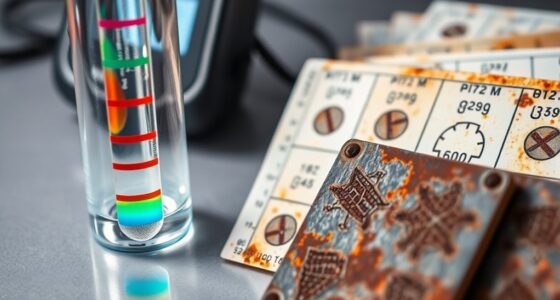
When you use hard water regularly, the minerals tend to accumulate on surfaces, leaving behind deposits known as limescale. This buildup can clog pipes, reduce the efficiency of appliances like dishwashers and water heaters, and even cause them to break down prematurely. If you notice soap not lathering well or a film forming on your skin after washing, it’s likely that your water is on the more resistant side. To avoid these issues, appliance maintenance becomes vital. Regularly descaling appliances and installing water softeners can help mitigate mineral buildup, ensuring your appliances work efficiently and last longer. Soft water, by contrast, doesn’t leave behind deposits, which means less maintenance and fewer repairs over time.
Understanding the differences between hard and soft water also influences your daily routines. With hard water, you might find that you need more soap or detergent to get things clean because the minerals interfere with the soap’s ability to lather. You might also notice soap scum on your bathtub or soap residue on your hair and skin. Soft water allows soap to lather more easily, often requiring less product, and it leaves your skin feeling smoother. From an appliance standpoint, soft water reduces the likelihood of mineral deposits forming inside pipes, water heaters, and other household equipment, saving you money on repairs and energy bills. Additionally, mineral buildup can lead to long-term damage in plumbing systems if left unaddressed.
As an affiliate, we earn on qualifying purchases.
Frequently Asked Questions
How Does Hard Water Affect Plumbing Systems Over Time?
Hard water can cause scale buildup inside your plumbing, which narrows pipes and reduces water flow. Over time, this buildup can lead to pipe corrosion, weakening the pipes and increasing the risk of leaks or bursts. You might notice decreased water pressure or frequent repairs. To protect your plumbing system, consider installing water softeners or regular maintenance to minimize scale buildup and prevent costly damages.
Can Soft Water Cause Any Health Concerns?
Soft water generally doesn’t cause health concerns; in fact, it can be beneficial for water health by reducing mineral buildup. However, because soft water contains added sodium, you might want to monitor your mineral intake if you’re on a low-sodium diet. For most people, drinking soft water is safe, but if you have specific health issues, consult your doctor. Overall, soft water supports good water health without significant risks.
What Are the Most Common Sources of Hard Water?
You might be shocked to learn that the most common sources of hard water are massive deposits of minerals like calcium and magnesium, often from underground aquifers. These minerals seep into your water supply, creating a high mineral content that can clog pipes and damage appliances. Water filtration systems can help, but knowing your water source—like wells or municipal supplies—can save you from costly surprises and keep your water soft and clean.
Is It Safe to Drink Softened Water?
Yes, softened water is generally safe to drink. Water filtration systems reduce excess mineral content, making it healthier and more pleasant to taste. However, some softening methods add sodium, so if you’re on a low-sodium diet, check the mineral content or consider alternative filtration options. Overall, softened water provides a safer, more comfortable drinking experience without compromising your health.
How Can I Test My Water Hardness at Home?
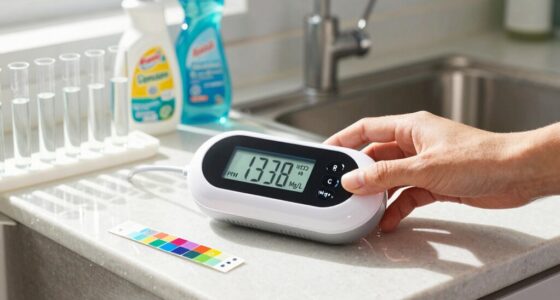
Think of testing your water hardness as opening a treasure chest of knowledge. You can do DIY water analysis with simple water testing kits available at stores or online. Just follow the instructions to collect a sample, add the reagent, and observe the color change. These kits are quick, affordable, and give you a clear picture of your water’s mineral levels, helping you decide if it’s hard or soft.
As an affiliate, we earn on qualifying purchases.
Conclusion
Now that you know the key differences between hard and soft water, you might wonder which type suits your lifestyle best. Wouldn’t it be ideal to choose water that benefits your skin, appliances, and overall home maintenance? Understanding these distinctions helps you make smarter decisions about water use and treatment. After all, isn’t it worth ensuring the water you rely on every day supports your health and comfort? The choice is yours—what will you prioritize?
As an affiliate, we earn on qualifying purchases.
water filtration system for hard water
As an affiliate, we earn on qualifying purchases.
As an affiliate, we earn on qualifying purchases.
Fall yard work Picks
leaf blowers
As an affiliate, we earn on qualifying purchases.