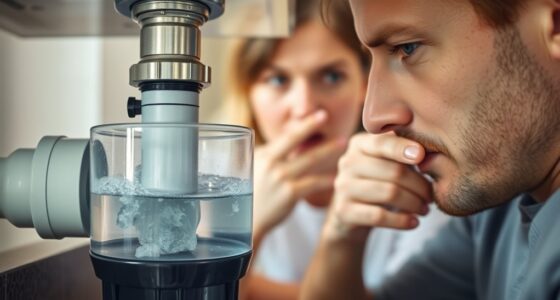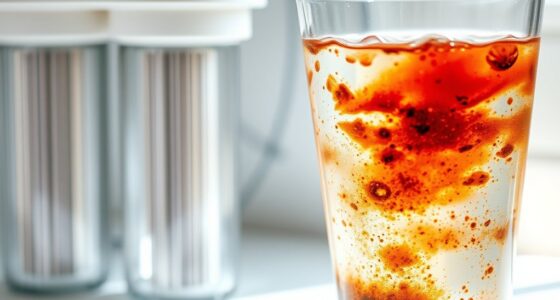
If your filtration system’s pump keeps cycling, start by checking for pressure fluctuations caused by dirty filters, leaks, or improper settings. Inspect valves for debris, damage, or misalignment, as faulty valves can trigger your pump to turn on and off repeatedly. Also, verify electrical connections and sensor functions to guarantee accurate signals. Addressing these common issues can stabilize your system, and if you continue exploring, you’ll discover more effective troubleshooting tips.

Get home appliances delivered free — and shop member deals
- Fast, free delivery on millions of items
- Access to Prime Big Deal Days deals on October 6–7
- Prime Video, Amazon Music and more included
Key Takeaways
- Check and clean filters regularly to prevent blockages that cause pressure fluctuations and pump cycling.
- Inspect valves for debris, wear, or damage to ensure proper opening and closing, reducing pressure imbalances.
- Calibrate system pressure settings and verify pressure switches function correctly to maintain stable pressure levels.
- Examine electrical connections and sensors for faults or corrosion that may send false signals triggering cycling.
- Perform routine system diagnostics and maintenance to identify underlying causes and prevent excessive pump on/off cycles.
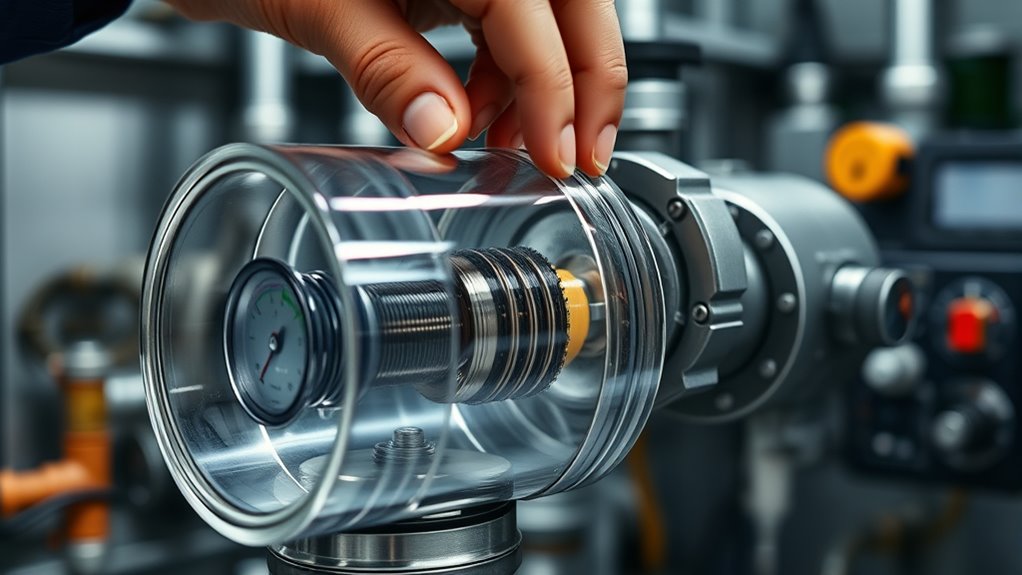
If your pump keeps cycling on and off unexpectedly, it can indicate underlying issues that need addressing. One common cause is pressure fluctuations within your system. When pressure levels swing unpredictably, the pump’s control system perceives these changes as a need to turn on or off repeatedly. These fluctuations can result from several factors, including clogged filters, leaks, or improper system design. As pressure fluctuates, the pump’s pressure switch responds by activating or deactivating frequently, leading to rapid cycling that can damage the motor over time. To troubleshoot this, start by checking for any blockages or buildup in your filters and ensure that your system’s pressure settings are calibrated correctly. If pressure remains unstable despite these adjustments, you may need to inspect the valves controlling water flow.
Valve malfunctions are another significant contributor to frequent pump cycling. Valves are designed to regulate water movement, and when they malfunction—due to debris, wear, or misalignment—they can cause inconsistent pressure and flow, prompting the pump to turn on and off repeatedly. For example, a stuck or leaking valve might allow water to bypass or reduce flow, leading the pump’s pressure switch to respond by cycling more often than necessary. Diagnosing valve issues involves inspecting each valve in your system for signs of damage, corrosion, or debris. Clearing blockages or replacing faulty valves often resolves the problem. Sometimes, valves that are not opening or closing fully can create pressure imbalances, which the pump interprets as a need to engage or disengage constantly.
Additionally, modern AI-driven diagnostics can help identify sensor malfunctions more efficiently, reducing troubleshooting time. It’s also worth noting that electrical issues can mimic or exacerbate these problems. Faulty wiring or sensor malfunctions can cause the pump to receive incorrect signals, resulting in unnecessary cycling. Making sure that all electrical connections are secure and that sensors are clean and functioning properly can help eliminate this cause. Additionally, confirm that your system’s pressure switch is functioning as intended; sometimes, a worn or misaligned switch can cause erratic cycling without any pressure fluctuations or valve issues.
As an affiliate, we earn on qualifying purchases.
Frequently Asked Questions
How Often Should My Pump Cycle Under Normal Conditions?
Under normal conditions, your pump should cycle about 3-4 times per hour, depending on system size and usage. You might notice pressure fluctuations or power surges causing more frequent cycling. If your pump runs excessively, it could be due to a pressure imbalance or electrical issues. Keep an eye on these signs, and consider adjusting settings or scheduling regular maintenance to prevent over-cycling and guarantee efficient operation.
Can High Water Temperature Cause Frequent Pump Cycling?
Ever wondered if high water temperature causes your pump to cycle more? Yes, it can, because elevated temperatures lead to thermal expansion, which might trigger sensor malfunctions or false readings. These issues cause the system to think water flow is inconsistent, prompting the pump to turn on and off frequently. To prevent this, verify your sensors are calibrated correctly and monitor water temperature to keep your filtration system running smoothly.
Does Low Water Level Contribute to Pump Short Cycling?
Yes, a low water level can contribute to pump short cycling. When the water level drops, your pump may struggle to maintain proper flow, causing it to turn on and off frequently. This frequent pump short cycling not only reduces efficiency but can also damage the pump over time. To prevent this, guarantee the water level stays within the recommended range, providing consistent operation and avoiding unnecessary cycling.
Are There Specific Filters That Reduce Pump Cycling Issues?
Did you know that cartridge filters can help reduce cycling frequency by maintaining consistent water flow? Yes, certain filter types like multi-media or cartridge filters are designed to prevent pump short cycling, ensuring smoother operation. These filters improve water clarity and reduce strain on your pump, minimizing frequent cycling issues. By choosing the right filter, you can extend your pump’s lifespan and enjoy more efficient filtration without constant cycling interruptions.
What Is the Average Lifespan of a Typical Filtration Pump?
You can expect a typical filtration pump to last around 8 to 15 years, depending on usage and maintenance. The pump motor plays a vital role in its lifespan, as regular upkeep can prevent early failure. Keep in mind that filter lifespan also impacts pump longevity; a clean filter reduces strain on the motor, helping it run smoothly longer. Proper maintenance ensures you get the most out of your filtration system.
As an affiliate, we earn on qualifying purchases.
Conclusion
If your filtration system’s pump keeps cycling frequently, addressing the issue can save you energy and extend your equipment’s lifespan. Did you know that inefficient pump operation can waste up to 30% of your energy costs annually? By troubleshooting and fixing common problems, you not only improve system performance but also save money and reduce environmental impact. Don’t ignore frequent cycling—taking action now guarantees your system runs smoothly and efficiently for years to come.
As an affiliate, we earn on qualifying purchases.
As an affiliate, we earn on qualifying purchases.
NFL season / tailgating Picks
team gear
As an affiliate, we earn on qualifying purchases.