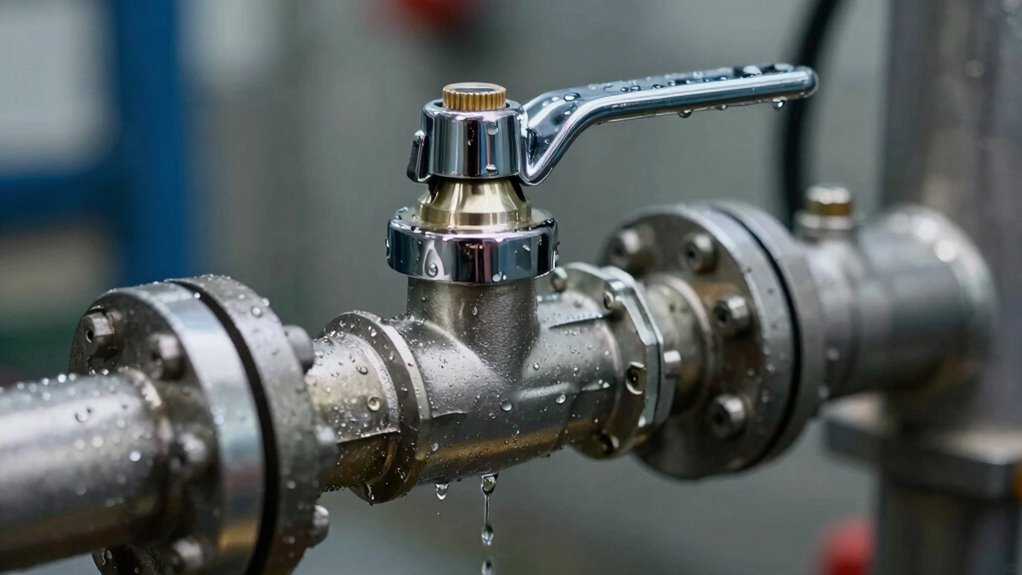

If no water flows and everything’s stopped, chances are you’ve misconfigured or left the bypass valve half-closed during maintenance. This mistake blocks water from passing through, causing system shutdowns. Confirm the valve is fully open and properly aligned to restore flow. Regular inspections help catch issues early. Keep watching to learn how to troubleshoot and avoid these common errors that can halt your entire water system.

Get home appliances delivered free — and shop member deals
- Fast, free delivery on millions of items
- Access to Prime Big Deal Days deals on October 6–7
- Prime Video, Amazon Music and more included
Key Takeaways
- A partially closed or misaligned bypass valve can block water flow, causing system-wide shutdown.
- Improper installation or debris in the valve prevents it from opening fully.
- Failing to fully open the bypass valve after maintenance restricts water movement.
- Using the wrong valve type or rating may lead to inadequate flow or leaks.
- Regular inspection ensures the bypass valve functions correctly, preventing unexpected water flow issues.
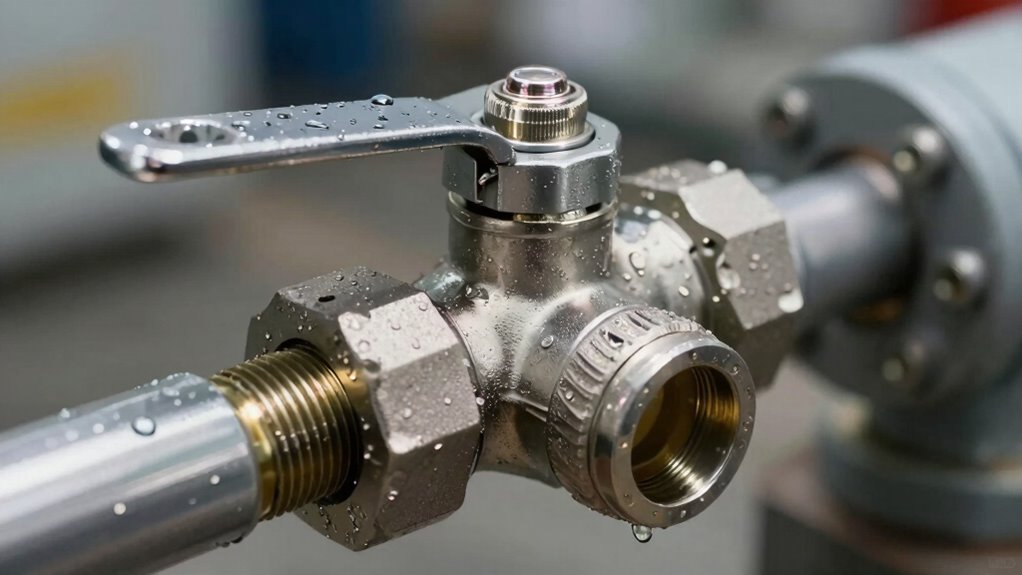
A bypass valve mistake can lead to serious engine issues if not caught early. This mistake isn’t just limited to engines; it can also happen in systems like garden irrigation, where a bypass valve helps control water flow. When these valves are misconfigured or improperly installed, they can disrupt the entire system, causing no water to flow at all. In garden irrigation setups, a faulty bypass valve might prevent water from reaching your plants, leading to dry patches and stressed vegetation. Similarly, in plumbing maintenance, an incorrectly positioned bypass valve can block water flow, resulting in low pressure or complete shutdown of water delivery.
Understanding how a bypass valve works is essential. It’s designed to reroute water or fluid around certain parts of a system for maintenance or safety reasons. In garden irrigation, for example, a bypass valve allows you to work on parts of your system without shutting off the entire water supply. But if you make a mistake during installation or adjustment — such as leaving the valve partially closed or misaligned — it can block the flow entirely. The same principle applies to plumbing maintenance, where a bypass valve is used to isolate sections of piping. An incorrect setup might cause water to bypass the intended path, creating a blockage or no flow at all.
One common mistake is neglecting to open the bypass valve fully after maintenance. You might think it’s open, but a slight misalignment or debris can prevent water from passing through. When that happens, you’ll notice no water flow, which can be confusing if you don’t realize the valve isn’t fully open. In garden irrigation, this can mean your sprinklers don’t spray, and your garden remains dry. In plumbing, it can lead to low water pressure or no flow at all, affecting appliances and fixtures.
Another error is installing the bypass valve incorrectly or using the wrong type for your system. For example, using a valve not rated for the pressure or flow rate of your garden irrigation system can cause it to malfunction or leak. In plumbing maintenance, improper installation can result in leaks or inadequate flow, which might damage other parts of the system over time. It’s essential to follow manufacturer instructions carefully and double-check connections. Regular plumbing maintenance involves inspecting these valves to verify they’re functioning properly and not obstructed.
In both garden irrigation and plumbing systems, the key to avoiding the bypass valve mistake is attention to detail. Make sure the valve is fully open when needed, correctly installed, and suitable for your system’s specifications. Regular checks prevent minor errors from causing major disruptions. When you understand the role of bypass valves and how to handle them properly, you can avoid costly repairs and keep your water systems running smoothly. Remember, a small oversight with a bypass valve can halt everything, so stay vigilant during maintenance and installation processes. Additionally, familiarizing yourself with valve operation principles can help you troubleshoot issues more effectively.
Frequently Asked Questions
Can Bypass Valve Issues Cause Damage to the Entire System?
Yes, bypass valve issues can cause damage to your entire system. If the bypass valve malfunctions, it can lead to system overloads and pressure buildup, risking leaks or burst pipes. This pressure imbalance stresses other components, potentially causing costly damage. Regularly inspect and maintain your bypass valve to prevent these problems, ensuring smooth operation and avoiding system failure due to unchecked pressure or overloads.
How Do I Identify if My Bypass Valve Is Faulty?
Think of your bypass valve as the gatekeeper to water flow. If it’s faulty, you’ll notice symptoms like inconsistent water pressure or sudden stoppages. Check for indicators such as leaks around the valve, difficulty in turning it, or if the system bypasses entirely. These faulty valve indicators mean it’s time to inspect closely—often, a simple test or visual cue reveals whether the bypass valve needs repair or replacement.
Are There Specific Tools Needed to Fix Bypass Valve Mistakes?
You’ll need a basic tools overview to fix bypass valve mistakes, including adjustable wrenches, screwdrivers, and pliers. These help you remove and replace components correctly. Common mistakes involve improper sealing or incorrect valve positioning, so double-check your work as you go. Having the right tools guarantees you can address these issues efficiently, avoiding further damage or water flow problems. Always follow manufacturer instructions for the best results.
What Safety Precautions Should I Take When Adjusting Bypass Valves?
Like a tightrope walker balancing carefully, you should wear protective gear—gloves and goggles—when adjusting bypass valves. Always shut off the water supply before starting valve maintenance to prevent leaks or sudden water release. Make certain the system is depressurized and follow manufacturer instructions closely. Prioritize water safety by double-checking connections and maintaining a clear workspace. These precautions help you avoid accidents and keep the system running smoothly.
Is Professional Help Recommended for Bypass Valve Installation?
Yes, professional installation is highly recommended for bypass valves. You might lack the expertise needed for proper setup, which is essential for safe operation. Professionals follow strict maintenance procedures, ensuring the valve functions correctly and prevents issues like water flow disruptions. Attempting to install or adjust bypass valves without proper training can lead to costly damage or safety risks. Trust a trained technician to handle the installation and maintenance for peak performance.
Conclusion
Don’t let a simple bypass valve turn your system into a dead end. Think of it like a tiny gatekeeper, controlling the flow of life through your setup. If it’s misaligned or overlooked, everything grinds to a halt—like traffic stuck in a never-ending jam. Stay vigilant, double-check your valves, and keep the flow moving smoothly. Because in this game, one small mistake can block the entire river, leaving you stranded in silence.
Fall yard work Picks
leaf blowers
As an affiliate, we earn on qualifying purchases.