Start by testing your main water pressure with a pressure gauge on the outdoor spigot—if it’s low, the city supply may be the issue. Check for discolored water or strong odors, which often point to city problems. If pressure inside drops but outside remains normal, the problem is likely inside your plumbing. Look for leaks by turning off fixtures and monitoring your water meter. To uncover more clues, keep exploring these diagnostic steps.

Get home appliances delivered free with Prime
- Fast, free delivery on millions of items
- Prime Video, Amazon Music and more included
- Member-only deals all year
Key Takeaways
- Check outside water pressure with a gauge; low outside pressure indicates city supply issues.
- Observe water quality; discoloration or odors suggest external contamination, not internal plumbing problems.
- Turn off house fixtures and monitor the water meter; continued movement indicates internal leaks.
- Note if pressure drops inside but remains normal outside, pointing to internal plumbing issues.
- Look for external signs like puddles, damp patches, or discolored water to identify external city water problems.
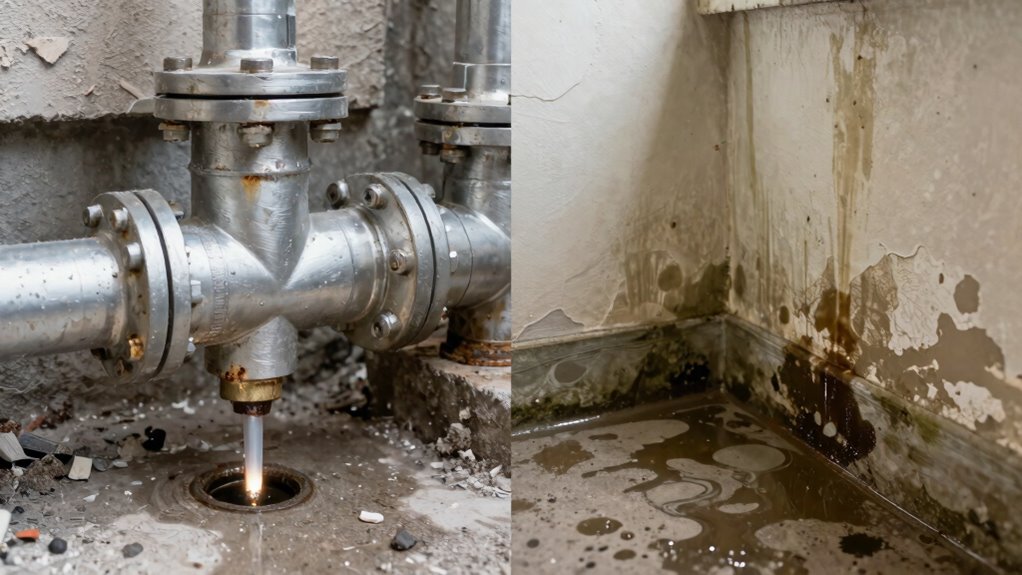
Ever wonder how to quickly determine if water issues originate from your city supply or your home’s plumbing? When you notice a sudden drop in water pressure or unexplained puddles around your property, it’s natural to feel confused. The key is to identify patterns and test points that can reveal where the problem lies. Most often, issues like low water pressure or pipe leaks give clues about whether the trouble is external or internal.
Start by observing your water pressure. If every fixture in your house has weak or inconsistent flow, it could point to a problem within your plumbing system. On the other hand, if only one faucet or appliance is affected, the issue might be isolated, possibly a clogged aerator or a faulty valve. To verify whether it’s a citywide problem, check the water pressure at your main water line. You can do this by attaching a pressure gauge directly to the outdoor spigot or hose bib. If the reading is significantly lower than the typical 40-60 psi, it suggests a problem with the city supply. Conversely, if the pressure is normal outside but drops inside, the issue is likely within your internal plumbing.
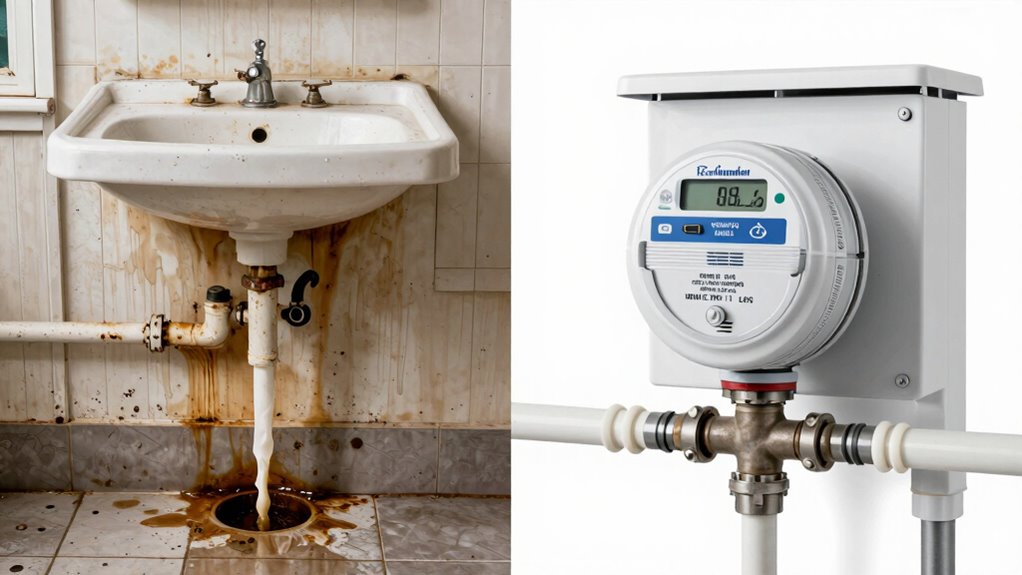
Pipe leaks often produce telltale signs that help you pinpoint their location. Look for wet spots or damp patches on walls, ceilings, or floors, especially near water lines or appliances. Persistent puddles or a sudden increase in your water bill can also signal hidden pipe leaks. If you notice a decrease in water pressure coupled with these signs, it’s probably caused by a leak somewhere in your plumbing. To confirm, turn off all appliances and fixtures that use water, then observe your water meter. If the meter continues to run despite all water being shut off, it indicates a leak somewhere within your system. If the meter stops, leaks are less likely, and you may need to look elsewhere for the cause.
Another quick way to differentiate city from house problems is to check for water discoloration or foul odors. If your water looks muddy or smells odd, it could be a city issue, especially after a recent storm or maintenance work. Internal plumbing issues usually don’t affect water quality but rather flow or pressure. Additionally, understanding water pressure testing can help you quickly identify whether the problem is external or internal. Conducting a water quality test can also provide clues about the source of the issue, especially if discoloration or odors are present. Knowing signs of pipe leaks can help you catch problems early and prevent further damage. Sometimes, drainage problems can also indicate external issues affecting your plumbing system. By taking these steps — testing water pressure at the main line, inspecting for pipe leaks, and noting water quality — you can quickly determine whether the problem originates outside or inside your home. This approach saves you time and helps you communicate effectively with your city’s water department or a plumber for swift repairs.
water pressure gauge for outdoor spigot
As an affiliate, we earn on qualifying purchases.
As an affiliate, we earn on qualifying purchases.
Frequently Asked Questions
How Can I Identify City Water Issues Without Professional Testing?
You can identify city water issues by observing water pressure drops or inconsistent flow, which often indicate city supply problems. Check for visible pipe corrosion or discoloration, as these signs suggest deterioration affecting your water quality. If multiple fixtures show similar symptoms and corrosion is evident, it’s likely a city issue rather than a house problem. These clues help you spot city water problems without professional testing.
What Signs Indicate a Problem Specific to My House’s Plumbing?
If you notice low water pressure, discolored water, or strange smells, your house’s plumbing might have issues like pipe corrosion or blockages. You could also experience leaks or dripping faucets, which signal problems. These signs suggest that corroded pipes or buildup could be impeding water flow. Addressing these issues promptly helps prevent further damage and guarantees your plumbing functions smoothly.
Are There Quick DIY Methods to Differentiate Water Source Problems?
Did you know that 20% of household water quality issues stem from pipe corrosion or contamination? To quickly identify if your water source is the problem, try running multiple faucets simultaneously—if the water pressure drops considerably, it suggests city supply issues. Additionally, examine water for discoloration or strange odors, which indicate contamination. These quick DIY checks can help you differentiate between city water problems and house plumbing issues effectively.
How Often Should I Check for City Water Quality Concerns?
You should check your city water quality at least once every six months to catch any problems early. Regular water treatment checks and plumbing maintenance help guarantee safe, clean water. Keep an eye out for changes in taste, smell, or appearance, and consider testing more often if you notice issues. Staying proactive with these routines helps prevent bigger problems and keeps your water safe for your household.
Can Water Discoloration Be Caused by Both City and House Issues?
Yes, water discoloration can be caused by both city and house issues. City water treatment processes might introduce discoloration if there’s outdated equipment or residual chemicals. Inside your home, pipe corrosion or sediment buildup can also lead to discolored water. To identify the source, check if the discoloration occurs after water treatment or only within your plumbing system. Regular maintenance and inspecting your pipes can help prevent these issues.
house plumbing leak detection kit
As an affiliate, we earn on qualifying purchases.
As an affiliate, we earn on qualifying purchases.
Conclusion
Remember, a problem shared is a problem halved. When it comes to water issues, quick detection saves time and money. Always check if the problem affects your entire home or just one area—this often points to where the trouble lies. Trust your instincts and act fast. After all, a stitch in time saves nine, and catching water problems early keeps your home running smoothly and your worries at bay.
water quality test kit for city water
As an affiliate, we earn on qualifying purchases.
As an affiliate, we earn on qualifying purchases.
As an affiliate, we earn on qualifying purchases.
Fall yard work Picks
leaf blowers
As an affiliate, we earn on qualifying purchases.