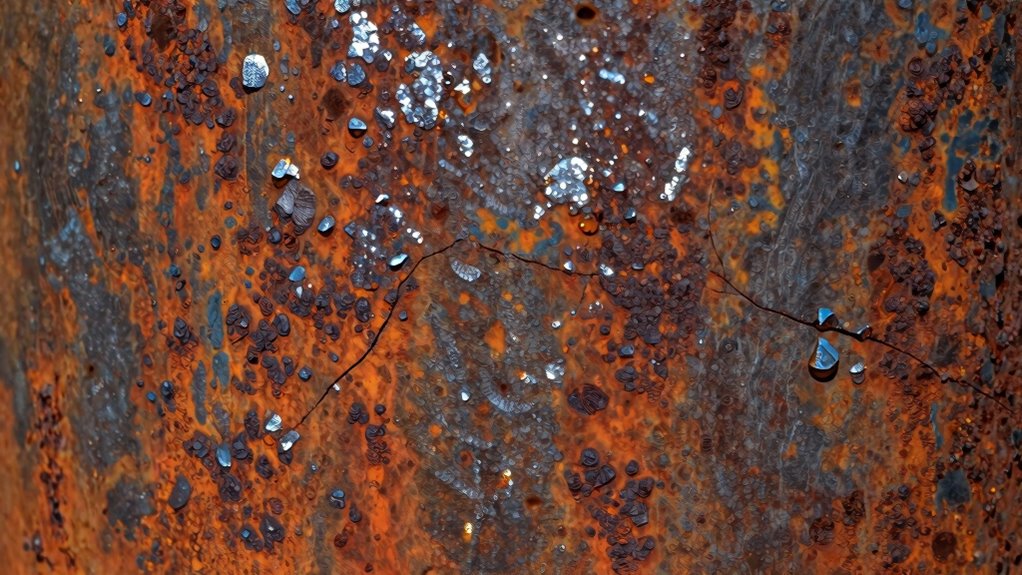

When iron and hard water minerals show up together, they react to form stubborn rust deposits and mineral scale on pipes, fixtures, and appliances. Hard water’s calcium and magnesium minerals interfere with water treatment, making iron removal more difficult. These interactions create insoluble compounds that settle out, clogging pipes and damaging fixtures over time. Understanding how these elements combine helps you prevent costly damage, and if you keep exploring, you’ll discover ways to effectively manage these issues.

Get home appliances delivered free — and shop member deals
- Fast, free delivery on millions of items
- Access to Prime Big Deal Days deals on October 6–7
- Prime Video, Amazon Music and more included
Key Takeaways
- Iron reacts with oxygen, forming rust that stains surfaces and damages fixtures, especially when combined with hard minerals.
- Hard water minerals like calcium and magnesium hinder iron removal, leading to increased rust buildup.
- Mineral interactions create insoluble compounds that deposit on pipes and appliances, causing clogs and reduced efficiency.
- The combined presence complicates water treatment, requiring specialized filters and chemical treatments.
- Rust and mineral deposits together accelerate surface deterioration and scale formation, impacting plumbing lifespan.
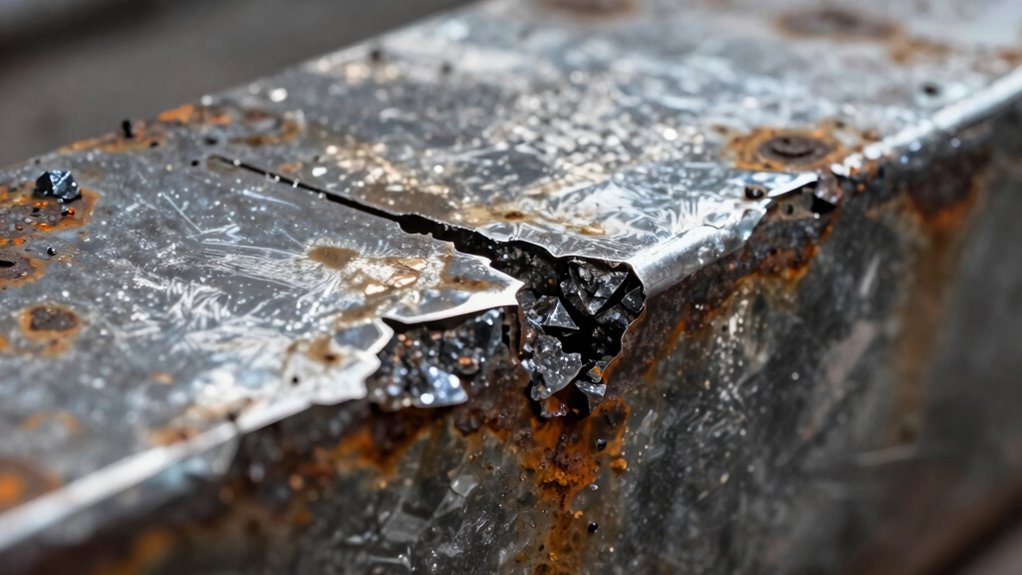
When iron reacts with oxygen, it forms rust, which appears as reddish-brown stains on fixtures, clothing, and appliances. Hard water can accelerate rust formation because minerals like calcium and magnesium can interfere with water treatment processes, making it harder to remove iron effectively. These mineral interactions often create insoluble compounds that settle out and form deposits on surfaces. Over time, this buildup can clog pipes, reduce water flow, and damage appliances. Water treatment methods like filtration and chemical dosing aim to reduce iron and mineral levels, but their effectiveness depends on understanding how these substances interact. Recognizing the importance of water chemistry in managing these interactions is essential for effective treatment. In many cases, the challenge lies in managing the mineral interactions before they cause damage. Water treatment systems like water softeners are designed to remove calcium and magnesium, which reduces hardness. However, if iron isn’t addressed simultaneously, it can still cause staining and corrosion. Specialized filters or oxidizing agents are often necessary to convert soluble iron into insoluble forms that can be filtered out. This process is crucial because, without proper treatment, mineral interactions can lead to the formation of scale, which is difficult to remove once it’s embedded in pipes or fixtures. Understanding iron behavior helps in selecting the right treatment methods and preventing scale buildup in plumbing systems. Additionally, monitoring water quality regularly can help identify issues early before significant damage occurs. Proper treatment methods should also consider the potential for mineral interactions to ensure comprehensive water quality management. Ultimately, understanding the chemistry behind iron and hardness helps you choose the right water treatment solutions. It’s about controlling mineral interactions so that iron doesn’t react with oxygen or other elements in the water to cause damage. Properly treated water minimizes mineral deposits, extends the lifespan of plumbing, and keeps your water clean and clear. Recognizing these reactions allows you to maintain effective water quality, preventing costly repairs and ensuring your home’s plumbing system runs smoothly.
water softener for iron and hard water
As an affiliate, we earn on qualifying purchases.
As an affiliate, we earn on qualifying purchases.
Frequently Asked Questions
Can Iron and Hardness Cause Health Issues?
Yes, iron and hardness can cause health issues. Iron toxicity can lead to symptoms like stomach pain, nausea, and even more serious conditions if consumed in excess. Hardness buildup in water might cause skin irritation or dryness. When these elements combine in your water supply, they can contribute to health problems over time, especially if you consume hard water regularly. It’s best to test and treat your water accordingly.
How Do Iron and Hardness Affect Household Appliances?
Like a silent pirate, iron buildup and hardness attack your appliances, causing damage over time. You’ll notice appliances, especially your dishwasher and water heater, suffer from appliance corrosion due to mineral deposits. Iron particles can clog filters and valves, reducing efficiency. Hardness makes soap less effective, leading to soap scum, and iron oxidation leaves stains. Regular maintenance and water softening help protect your appliances from this unwelcome invasion.
Are There Specific Water Treatment Methods for Iron and Hardness?
You can treat iron and hardness in water with specific methods like chemical filtration and reverse osmosis. Chemical filtration uses oxidizing agents to remove iron effectively, while reverse osmosis filters out minerals causing hardness. These methods work together to improve water quality, protect your appliances, and prevent staining. For best results, consider combining these treatments or consulting a water specialist to tailor solutions to your household’s water issues.
Do Iron and Hardness Impact Water Taste and Odor?
Yes, iron and hardness can affect your water’s taste and odor. Iron often causes a metallic taste and may leave reddish stains, while hardness can make water taste salty or bitter. Odor concerns arise if iron bacteria grow, producing a musty or rotten egg smell. These issues impact water quality, making treatment essential to improve taste and eliminate unpleasant odors. Proper filtration and treatment methods can effectively address these problems.
Can Iron and Hardness Removal Improve Laundry Results?
Removing iron and hardness can considerably boost your laundry results. By tackling tough stains and preventing fabric damage, you’ll enjoy brighter whites and softer fabrics. Hard water, combined with iron, can cause stubborn stains and roughness, making laundry less effective. With effective iron and hardness removal, you’ll notice improved laundry stain removal and fabric preservation, leading to fresher, cleaner clothes that look better and last longer.
As an affiliate, we earn on qualifying purchases.
Conclusion
So, when iron and hardness meet, things get interesting—almost unpredictable. You might think you’ve seen it all, but the real story is just beginning. Will the combination cause corrosion, or could it lead to unexpected strength? The truth is, you never quite know what’s coming next until it happens. Stay alert—because in this game of chemistry, the next move could surprise you in ways you never imagined.
scale and rust remover for plumbing
As an affiliate, we earn on qualifying purchases.
As an affiliate, we earn on qualifying purchases.
As an affiliate, we earn on qualifying purchases.
NFL season / tailgating Picks
team gear
As an affiliate, we earn on qualifying purchases.