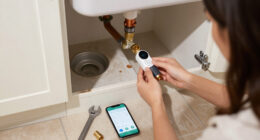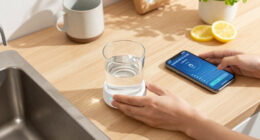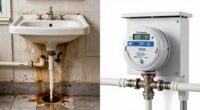
When a UV alarm goes off, it’s more than just an electrical issue—it’s a sign your water may have chemical or biological contamination. High levels of pollutants or microorganisms can disrupt UV transmission, triggering the alarm. Turbidity or organic matter can also cause false signals. Paying attention to the alarm helps you identify potential water quality problems early. Keep exploring to discover how to interpret these clues correctly and protect your water safety.

Get home appliances delivered free — and shop member deals
- Fast, free delivery on millions of items
- Access to Prime Big Deal Days deals on October 6–7
- Prime Video, Amazon Music and more included
Key Takeaways
- UV alarms can indicate chemical contamination, as pollutants may absorb UV light and reduce transmission.
- Biological contamination can cause UV alarms due to increased microorganisms or turbidity blocking UV penetration.
- Alarms may signal water quality issues, not just electrical faults, prompting further testing for specific contaminants.
- Proper filtration and maintenance help distinguish between true water quality issues and system malfunctions.
- Interpreting UV alarms accurately ensures timely response to potential health risks from water pollutants.
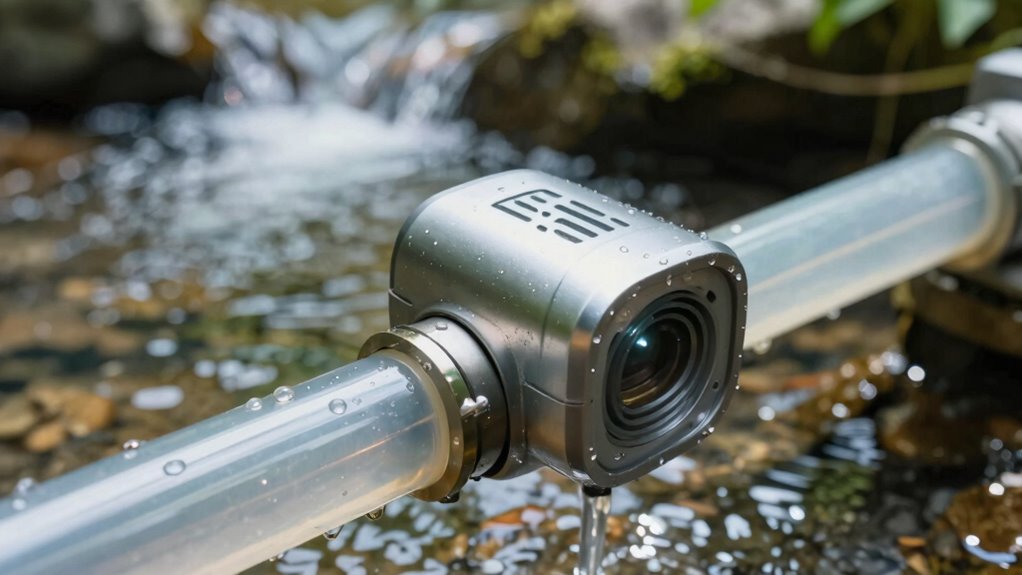
A UV alarm can serve as a quick and effective clue to water quality, alerting you immediately when there’s a potential contamination. Unlike traditional water testing methods that take time and require lab analysis, a UV alarm provides real-time feedback, letting you know if something’s wrong. But it’s important to understand that this alarm isn’t just an electrical indicator; it can also point to underlying issues related to chemical contamination or biological indicators in your water source. When the alarm sounds, it’s your signal to investigate further, not just to reset the device. Recognizing that chemical and biological factors can influence UV readings emphasizes the importance of thorough water quality assessment. Chemical contamination can sometimes cause a UV alarm to trigger. While UV systems are primarily designed to target biological pathogens, certain chemicals can interfere with the UV light’s effectiveness or produce reactions that skew readings. For example, some organic compounds or pollutants with high absorbance can diminish UV transmission, signaling a problem even if the water looks clear. Recognizing this, you shouldn’t dismiss the alarm as a false trigger; instead, consider it a warning that chemical contaminants might be present, requiring additional testing or filtration. This makes the UV alarm a crucial early detection tool for chemical issues that could compromise water safety. Biological indicators are another critical aspect. UV systems are highly effective against bacteria, viruses, and other microorganisms because UV light damages their DNA or RNA, preventing reproduction. When biological contamination is present, the UV system may struggle to disinfect effectively, and the alarm could go off as a result. This often indicates a higher biological load than the system can handle or an issue with water clarity, such as turbidity, which blocks UV penetration. In these situations, the alarm isn’t just signaling an electrical fault; it’s providing you with a key clue that biological contaminants are present or proliferating, which could pose health risks if left unaddressed. Understanding the UV system’s limitations and how contaminants interact with UV light can help you interpret alarms more accurately. Being aware of how different pollutants affect UV transmission can guide the appropriate response and testing procedures. Additionally, water quality factors such as turbidity and organic matter can influence UV effectiveness, making it essential to maintain proper pre-filtration. Proper maintenance and regular testing are vital to ensure the UV system remains effective over time. In essence, a UV alarm is more than just an electrical alert. It’s a water-quality clue that can point to chemical contamination or biological indicators in your water. When you hear that alarm, don’t just dismiss it as a malfunction; see it as a prompt to investigate further. Conduct additional tests, check water clarity, and consider the possibility of pollutants or microorganisms that could threaten your health. Properly interpreting this alarm helps you stay ahead of potential water quality issues, ensuring your water remains safe and clean.
As an affiliate, we earn on qualifying purchases.
Frequently Asked Questions
How Does UV Alarm Detection Differ From Traditional Water Testing Methods?
UV alarm detection identifies issues like ultraviolet degradation or water discoloration instantly, unlike traditional testing methods that require sampling and lab analysis. You can respond quickly to changes in water quality because the UV alarm monitors real-time conditions, alerting you to problems early. This proactive approach helps prevent contamination, ensuring safer water, whereas traditional tests may miss ongoing issues or delay detection.
Can UV Alarms Indicate Specific Types of Water Contaminants?
A UV alarm acts like a detective, indicating the possible presence of specific water contaminants. While it doesn’t identify exact substances, it signals when water safety is compromised, prompting further contaminant detection. You can’t rely solely on UV alarms for precise contamination info, but they’re essential for early warning, helping you take swift action to protect your water supply from harmful pollutants and ensuring safe, clean water for your needs.
What Maintenance Is Required for UV Alarm Systems in Water Treatment?
You need to regularly check your UV alarm system’s calibration to guarantee accurate water quality detection. Replace the UV lamp as recommended by the manufacturer and inspect the system’s power supply for stability. Clean the quartz sleeve to prevent fouling, and test the alarm functions periodically. Proper maintenance keeps your UV system effective, ensuring reliable alerts and peak water treatment performance.
Are UV Alarms Effective in Detecting Biological vs. Chemical Water Issues?
UV alarms are effective in detecting biological issues because they monitor UV transmittance, which drops when microorganisms are present. However, they’re less reliable for chemical problems, as chemical indicators don’t affect UV light absorption directly. For thorough water quality assessment, rely on UV alarms for biological detection, but use chemical sensors or testing for chemical issues. This combined approach ensures you catch both biological contamination and chemical imbalances.
How Quickly Can a UV Alarm Alert Users to Water Quality Changes?
You’ll get an alert within seconds to minutes when water quality changes, thanks to UV alarm sensor sensitivity. Proper alarm calibration guarantees quick detection of biological contaminants, often within 30 seconds to a few minutes of a spike in UV light absorption. This rapid response helps you act swiftly, maintaining safe water and preventing potential health risks. Regular calibration keeps your UV alarm reliable for real-time water quality monitoring.
As an affiliate, we earn on qualifying purchases.
Conclusion
So, keep an eye on your UV alarm—it’s more than just an electrical warning. When it signals a problem, it’s a clear sign that your water quality might be slipping, and ignoring it could cause bigger headaches down the line. Trust me, it’s better to catch issues early than to be caught off guard later. Remember, a stitch in time saves nine—stay vigilant and act quickly to safeguard your water’s health.
As an affiliate, we earn on qualifying purchases.
As an affiliate, we earn on qualifying purchases.
Fall Picks
fall essentials
As an affiliate, we earn on qualifying purchases.