To fix low pressure after installation, start by checking the water filter for dirt or buildup and clean or replace it as needed. Make sure all valves are fully open and your pressure regulator is properly adjusted—turn it clockwise gradually to increase pressure. Inspect pipes for kinks or obstructions and look for leaks or external issues like city supply problems. If you want detailed steps on narrowing down the cause, there’s more to explore.

Get home appliances delivered free — and shop member deals
- Fast, free delivery on millions of items
- Access to Prime Big Deal Days deals on October 6–7
- Prime Video, Amazon Music and more included
Key Takeaways
- Check and clean or replace the water filter regularly to prevent flow restrictions.
- Ensure all valves are fully open and properly functioning.
- Adjust the pressure regulator gradually, avoiding over-tightening.
- Inspect pipes for kinks, blockages, or damage and clear or repair as needed.
- Verify external water supply pressure and look for leaks that could reduce flow.
Troubleshooting Low Water Pressure After Installation

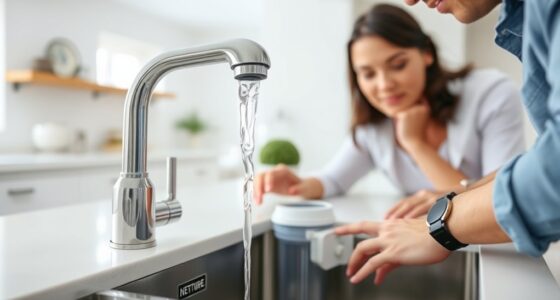
Experiencing low pressure after installing a new system can be frustrating, but many issues are simple to troubleshoot with the right checklist. One common cause is neglecting proper water filter maintenance. If your system includes a water filter, it’s essential to check whether it’s clogged or dirty. Over time, filters trap debris, sediment, and other particles that can restrict water flow. If your water filter hasn’t been replaced or cleaned recently, it’s likely contributing to the low pressure. Remove the filter and inspect it for dirt or buildup. Replacing or cleaning the filter as recommended by the manufacturer often restores normal flow and improves pressure.
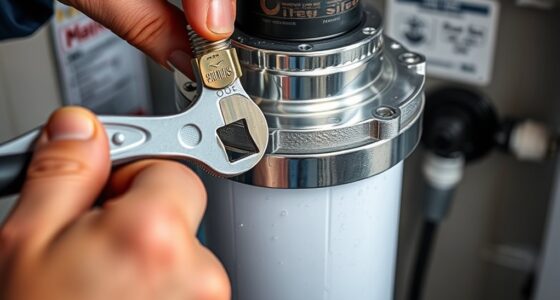
Another critical step is adjusting the pressure regulator. The pressure regulator controls the amount of pressure entering your system, and if it’s set too low, it can lead to weak water flow. Locate the pressure regulator—usually near the main water line or system inlet—and see if it has an adjustment screw or dial. Carefully turn the regulator clockwise to increase pressure, but do so gradually, testing the flow after each adjustment. Be cautious not to over-tighten, as excessive pressure can damage your system or cause leaks. If you’re unsure about how to adjust the regulator, consulting the user manual or a professional is wise.
Adjust the pressure regulator gradually to boost water flow without risking damage.
In addition to these, ensure that all valves are fully open. Sometimes, during installation, valves might be partially closed, restricting flow and causing low pressure. Double-check each valve connected to your system, including shut-off and service valves, and open them completely. Also, examine your pipes for kinks, bends, or obstructions that could impede water flow. A thorough visual inspection can reveal issues like accumulated debris or pipe damage that may be reducing pressure.
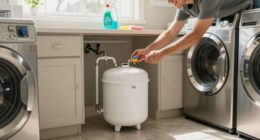
If your system incorporates a water filter, regular maintenance is key. Besides replacing filters, cleaning other components like housing units prevents buildup and maintains ideal flow. Keep a maintenance schedule based on manufacturer guidelines to avoid pressure issues down the line. Sometimes, sediment or mineral deposits can accumulate in pipes or fittings, so flushing the system or descaling parts may be necessary.
Additionally, considering the use of HEPA filtration or other air purifiers might be relevant if your low pressure issue is related to air supply rather than water, especially if related to HVAC or ventilation systems.
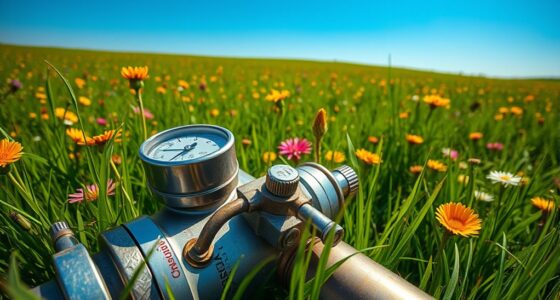
Finally, consider that the low pressure might not be solely due to installation. Check your overall water supply pressure—sometimes, city supply issues or leaks in the system can cause pressure drops. Using a pressure gauge can help you determine if the problem lies outside your system, in which case contacting your water provider or a plumber might be the best course of action.
Frequently Asked Questions
Can Low Pressure Be Caused by External Plumbing Issues?
Yes, external plumbing issues can cause low pressure. If there are external pipe leaks, they can reduce water flow, leading to lower pressure inside your home. Additionally, nearby construction or digging can damage or disturb pipes, also affecting pressure levels. You should inspect for visible leaks or damages outside your property and consider consulting a plumber to identify and fix any external issues impacting your water pressure.
How Long Should I Wait Before Testing Water Pressure After Installation?
Ever wonder how long to wait before testing water pressure after installation? You should wait at least 2 hours to let everything settle, ensuring your pressure gauge calibration is precise. During this time, check that all valves are accessible and fully open. Isn’t it frustrating to get false readings? Patience guarantees you get a true measurement, helping you identify if low pressure persists or if adjustments are needed.
Are There Specific Tools Recommended for Pressure Adjustment?
You should use a pressure gauge and specific adjustment tools to fine-tune your water pressure. A pressure gauge helps you accurately measure the current pressure, while adjustment tools like a wrench or screwdriver allow you to modify the pressure regulator or valve. Make sure to turn off the water supply before making adjustments, then slowly adjust using your tools until you reach the desired pressure level for ideal flow.
Does Water Temperature Affect Pressure Levels?
Water temperature can greatly impact your pressure levels, sometimes making them feel like they’re crashing through a wall of resistance. When water’s hot, it expands slightly, which can increase pressure, while cold water tends to contract, lowering it. If you notice pressure issues, check your water temperature and adjust accordingly. Keeping the right balance ensures your system runs smoothly, preventing those sudden drops or spikes that feel like a pressure rollercoaster.
Can Low Pressure Be Due to Incorrect Installation of Components?
Yes, low pressure can result from incorrect installation of components. If you didn’t guarantee proper component misalignment, it can restrict water flow, causing pressure drops. Additionally, valve malfunction due to improper installation can prevent the system from functioning correctly, leading to low pressure. Double-check your installation to confirm all components are aligned correctly and valves are functioning smoothly, which can help restore proper pressure levels.
Conclusion
So, next time your water pressure drops after a new install, remember, it’s probably just your plumbing’s way of asking for a little extra attention. Don’t ignore the signs or assume it’s the system’s fault—give those pipes some love and maybe, just maybe, they’ll stop acting like drama queens. After all, a little proactive troubleshooting beats standing there with a showerhead in hand, wondering why you’re still standing in a puddle. Cheers to better pressure!
Fall yard work Picks
leaf blowers
As an affiliate, we earn on qualifying purchases.