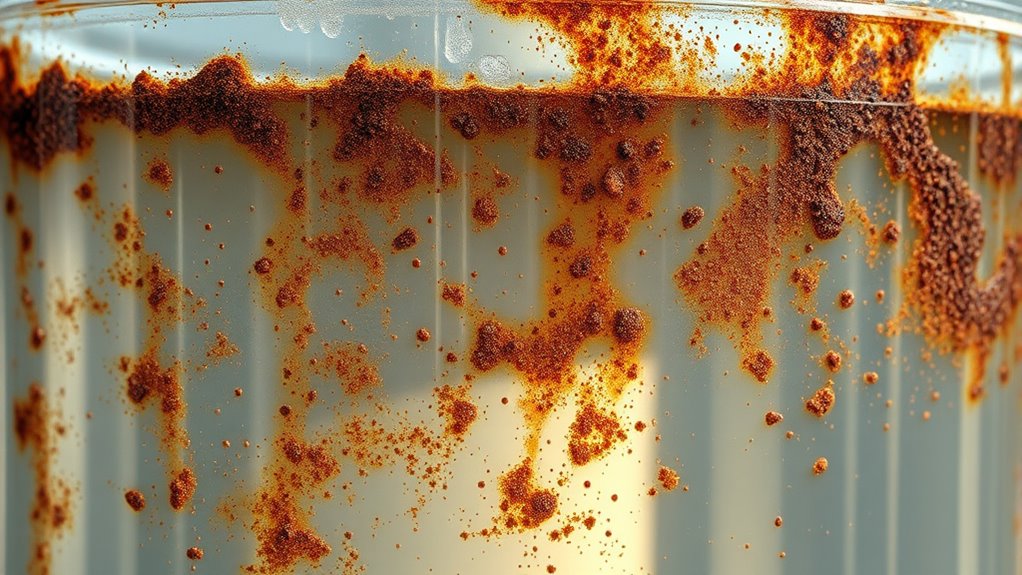

A water softener alone isn’t enough to remove iron and manganese, which can cause stains, bad tastes, and health issues. These metals often require specialized treatments like oxidizing filters, greensand systems, or catalytic media that convert dissolved minerals into particles that can be easily filtered out. Using just a softener leaves these contaminants behind, so investing in targeted solutions helps improve water quality and protect your health. Keep exploring to discover effective options tailored to your needs.

Get home appliances delivered free — and shop member deals
- Fast, free delivery on millions of items
- Access to Prime Big Deal Days deals on October 6–7
- Prime Video, Amazon Music and more included
Key Takeaways
- Water softeners mainly target minerals and often cannot effectively remove iron and manganese, which cause staining and taste issues.
- Specialized treatments like oxidizing filters or media are necessary to convert dissolved iron and manganese into removable solids.
- Eco-friendly options such as greensand filters or catalytic media reduce chemical use and waste compared to traditional methods.
- Combining oxidation with disinfection techniques like UV or aeration improves water clarity and contaminant removal.
- Consulting water treatment professionals ensures the selection of appropriate, sustainable solutions for persistent iron and manganese problems.
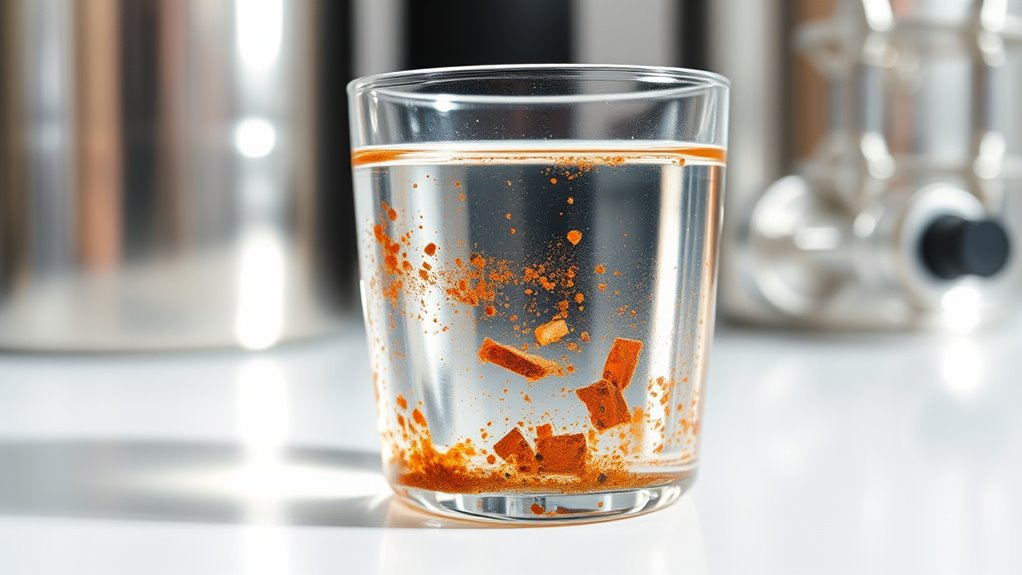
Iron and manganese are common contaminants in well water that can cause staining, unpleasant taste, and health concerns. When you notice reddish-brown stains on fixtures or a metallic taste in your water, it’s clear these elements are present. While a water softener can reduce some mineral content, in many cases, it’s not enough to fully address iron and manganese issues. You need specialized water treatment solutions designed to target these specific contaminants effectively. Simply relying on a softener may improve water clarity temporarily, but it often falls short of eliminating the problem entirely, leaving you with persistent staining and taste issues.
Iron and manganese contamination in well water requires specialized treatment beyond softeners for effective removal.
Addressing iron and manganese requires an all-encompassing approach to water treatment that considers both the severity of contamination and the environmental impact of treatment options. For example, oxidizing filters can convert dissolved iron and manganese into insoluble particles, which can then be filtered out. These systems often use oxidizers like chlorine, potassium permanganate, or ozone, which react with the minerals and make them easier to remove. This method not only improves water quality but also minimizes the environmental impact by reducing the need for chemical waste and excessive backwashing. Incorporating water treatment technologies that are environmentally friendly can further enhance the sustainability of your system.
In many cases, you’ll want to contemplate alternatives like greensand filters or catalytic media that facilitate oxidation and filtration in a single unit. These systems are effective and environmentally friendly, as they require fewer chemicals and generate less waste compared to traditional methods. When choosing a water treatment system, remember that maintenance is vital; regular regeneration or media replacement ensures ongoing efficiency and reduces the environmental footprint.
If your water contains high levels of iron and manganese, you might also explore disinfection options like UV treatment or aeration. These methods can break down organic contaminants and improve water clarity without adding chemicals, making them eco-friendly choices. It’s important to evaluate your specific water quality and consult with a water treatment professional to determine the best course of action that balances effectiveness with environmental responsibility.
Ultimately, addressing iron and manganese isn’t just about improving water aesthetics and taste; it’s also about protecting your health and minimizing your environmental impact. Proper water treatment ensures you get safe, clean water while reducing waste and chemical use. When a softener isn’t enough, investing in targeted treatment systems can make a significant difference, providing peace of mind and better water quality for your home.
Frequently Asked Questions
Can Iron and Manganese Cause Health Issues?
Iron and manganese can pose health risks if ingested in large amounts. They may cause toxic exposure over time, leading to issues like skin irritation, stomach upset, or more serious conditions. You should be aware of these potential health risks, especially if your water contains high levels. Regular testing and proper treatment help prevent health issues, ensuring you avoid any harmful effects from these minerals.
Are There Environmentally Friendly Removal Options?
Yes, you can choose eco-friendly filtration and natural removal methods for iron and manganese. These environmentally friendly options include biological filtration, which uses natural bacteria to break down contaminants, and green sand filters that trap metals without chemicals. You’ll find these sustainable solutions safe and effective, reducing environmental impact while removing unwanted iron and manganese. Opt for natural removal methods to protect both your health and the planet.
How Often Should I Test My Water for These Metals?
You should test your water for iron and manganese at least once a year, but more often if you notice changes in water color or taste. Regular water testing and metal monitoring help catch issues early and make certain your treatment system remains effective. If you’re on a well or notice symptoms like staining, consider testing every six months to maintain safe, clean water for your household.
Can Hard Water Be Confused With Iron or Manganese?
A picture is worth a thousand words, so don’t rely solely on your senses. Hard water isn’t usually confused with iron or manganese because water discoloration, taste, and odor are key indicators of those metals. Hard water primarily causes scale buildup and soap scum. If you notice unusual stains or a metallic taste, test your water, as these signs often point to iron or manganese contamination, not just hardness.
What Are the Long-Term Effects of Untreated Iron/Manganese?
If you leave iron and manganese untreated, they can cause long-term issues in your household plumbing and water quality. Over time, these minerals can lead to water discoloration, staining fixtures, and buildup inside pipes, reducing water flow and potentially causing damage. This buildup can also foster bacteria growth, impacting your water’s safety. Addressing iron and manganese early prevents costly repairs and keeps your water clean and clear.
Conclusion
Remember, tackling iron and manganese isn’t just about softening water; it’s about reclaiming clarity and purity—like forging a new chapter free from the shadows of mineral stains. When softeners fall short, consider alternative solutions to restore your water’s true essence. Don’t let these stubborn elements turn your home into a battleground. Instead, take charge and guarantee your water remains as pure as a clear mountain spring—unblemished and invigorating, just like nature intended.
Fall yard work Picks
leaf blowers
As an affiliate, we earn on qualifying purchases.