To avoid common mistakes in scale control for tankless heaters, you should prioritize regular maintenance, use compatible descaling products, and monitor water quality and system performance. Make certain proper installation and follow manufacturer guidelines for scale prevention. Avoid DIY repairs if you’re inexperienced, and combine mechanical cleaning with chemical treatments for best results. Ignoring signs of buildup or system strain can cause damage. Keep these tips in mind to keep your heater running smoothly—more insights await if you continue exploring.

Get home appliances delivered free — and shop member deals
- Fast, free delivery on millions of items
- Access to Prime Big Deal Days deals on October 6–7
- Prime Video, Amazon Music and more included
Key Takeaways
- Regularly monitor water quality and install appropriate filtration to prevent mineral buildup and scale formation.
- Use high-quality, manufacturer-approved descaling products and combine chemical and mechanical cleaning methods.
- Follow the manufacturer’s guidelines for maintenance, installation, and system setup to ensure efficiency and longevity.
- Schedule routine inspections, error code checks, and preventive maintenance to catch issues early.
- Avoid DIY repairs without proper tools or expertise; consult professionals for complex troubleshooting and repairs.
tankless water heater descaling kit
As an affiliate, we earn on qualifying purchases.
As an affiliate, we earn on qualifying purchases.
Ignoring Regular Descaling and Maintenance

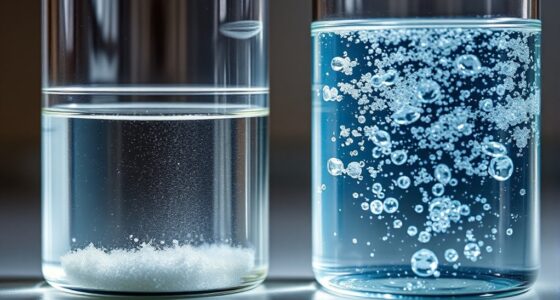
Neglecting regular descaling and maintenance can considerably reduce your tankless heater’s efficiency and lifespan. Without proper scale prevention, mineral buildup from hard water damages internal components and hampers performance. Incorporating water filtration systems helps reduce mineral content before it enters your heater, slowing scale formation. Regular descaling removes existing deposits, ensuring ideal heat transfer and energy efficiency. Skipping routine maintenance may cause clogs and reduce the unit’s lifespan, leading to costly repairs or replacements. A consistent maintenance schedule also helps identify potential issues early before they become major problems. By prioritizing water filtration and scheduling timely descaling, you maintain your heater’s efficiency and extend its service life. Preventing scale buildup isn’t just about saving energy; it’s about protecting your investment and avoiding unnecessary breakdowns. Proper maintenance keeps your tankless heater running smoothly for years to come.
water filtration system for hard water
As an affiliate, we earn on qualifying purchases.
As an affiliate, we earn on qualifying purchases.
Using Incompatible or Low-Quality Descaling Products
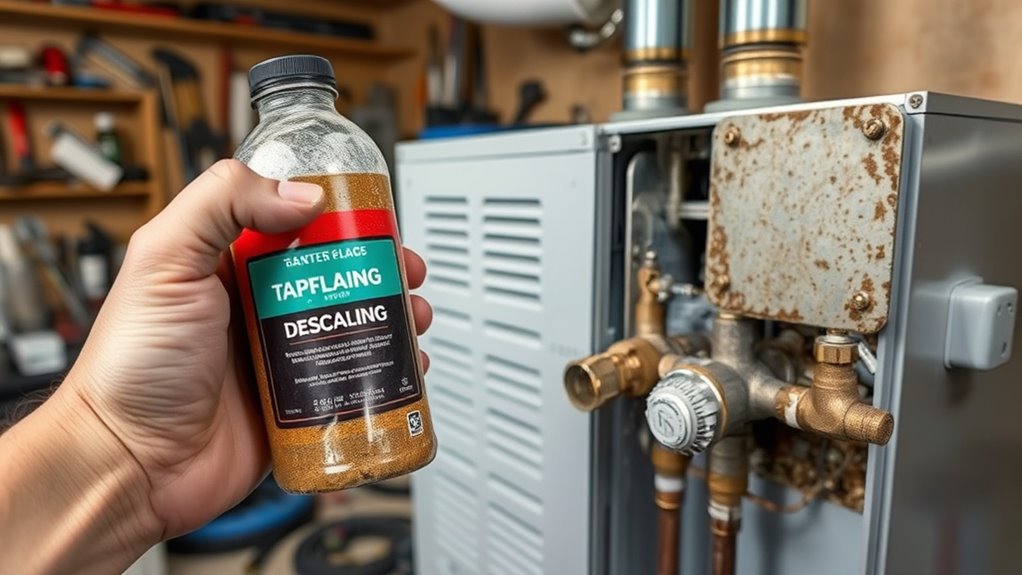
Using incompatible or low-quality descaling products can cause more harm than good to your tankless heater. Cheap or improper descaling products may damage internal components or leave residues that promote corrosion. To avoid this, follow these tips:
Using quality, compatible descaling products protects your tankless heater from damage and corrosion.
- Choose a descaling product specifically designed for tankless heaters, ensuring compatibility.
- Avoid products with harsh chemicals that can degrade water filtration components.
- Check labels for manufacturer recommendations and safety instructions.
- Use high-quality descaling solutions to effectively remove mineral buildup without harming your unit.
tankless heater maintenance tools
As an affiliate, we earn on qualifying purchases.
As an affiliate, we earn on qualifying purchases.
Overlooking Water Quality and Hardness Levels
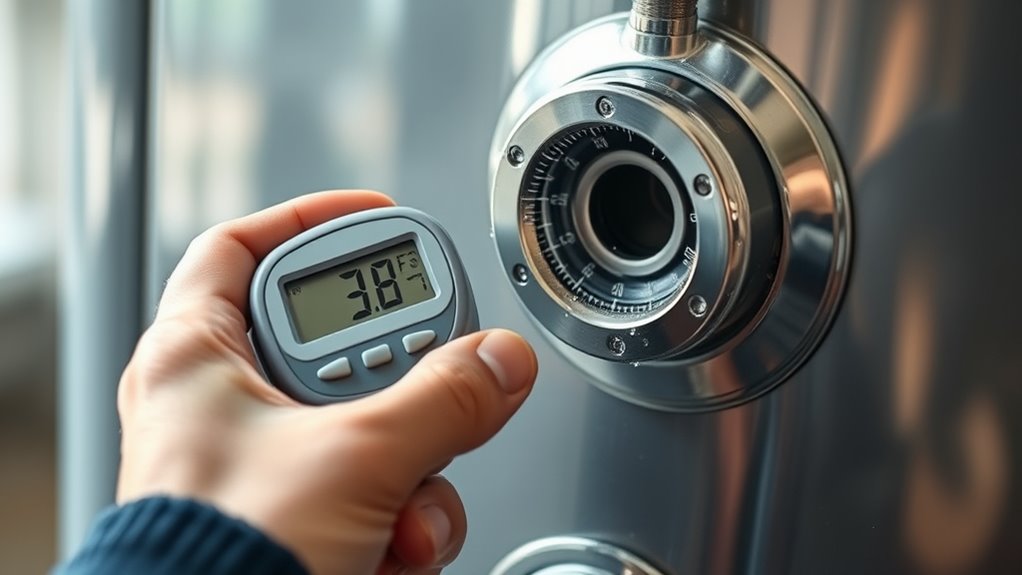
Since water quality and hardness levels directly impact your tankless heater’s performance, ignoring them can lead to costly repairs and reduced efficiency. You need to prioritize water testing to determine mineral content and identify potential issues. Hard water contains minerals like calcium and magnesium that promote scale buildup, so consider installing water filtration systems designed to reduce these minerals. Regular water testing helps you monitor changes in water hardness, allowing you to adjust your maintenance schedule accordingly. Neglecting water quality can cause mineral deposits inside the heater, decreasing heat transfer efficiency and increasing energy costs. Additionally, implementing automation technologies can help monitor and manage water quality more effectively. By proactively managing water hardness levels and using appropriate filtration, you can extend your heater’s lifespan and maintain ideal performance. Don’t overlook water quality as a key factor in scale control.
descaling products for tankless water heaters
As an affiliate, we earn on qualifying purchases.
As an affiliate, we earn on qualifying purchases.
Not Monitoring System Performance and Error Codes
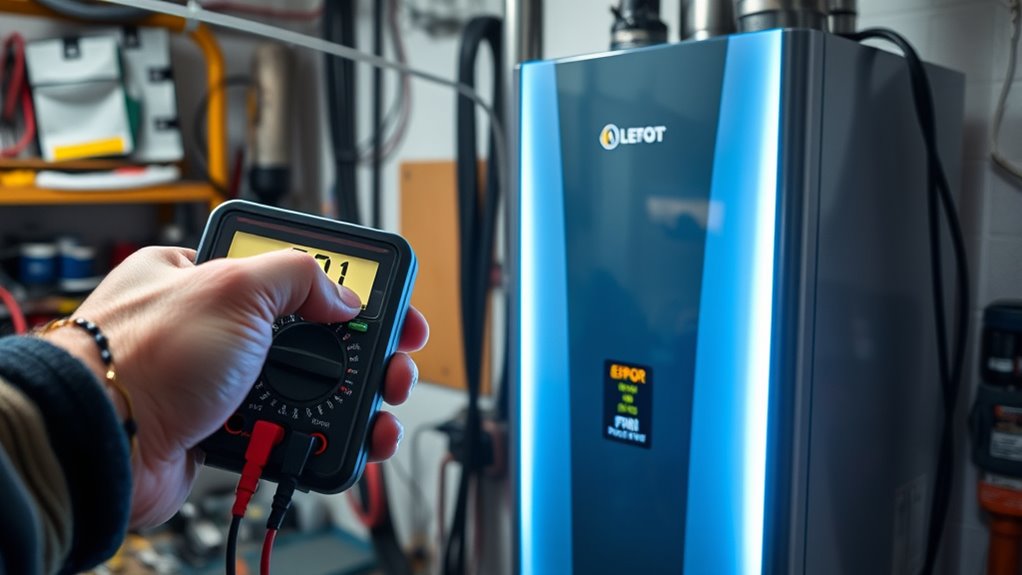
If you don’t regularly check your system’s performance and error codes, small issues can quickly become big problems. Recognizing error indicators early helps you troubleshoot effectively and avoid costly repairs. Keeping records of system data guarantees you spot patterns and maintain your heater’s efficiency. Monitoring system performance metrics ensures you stay ahead of potential failures.
Regular Performance Checks
Regular performance checks are essential to keep your tankless heater running efficiently and prevent potential issues. Regularly inspect your system to guarantee optimal water flow and monitor for signs of thermal expansion that could affect performance. Here’s what to do:
- Check water flow rates to confirm they match manufacturer specifications, preventing pressure buildup.
- Inspect for sediment buildup, which can hinder heat transfer and cause scale issues.
- Ensure the expansion tank is functioning properly to accommodate thermal expansion.
- Listen for unusual noises or fluctuations, indicating possible blockages or flow restrictions.
- Regularly verify system performance and error codes to identify issues early and maintain efficiency.
Recognize Error Indicators
Recognizing error indicators is essential for diagnosing issues early and preventing further damage to your tankless heater. Error detection relies on paying close attention to warning signs, such as unusual noises, inconsistent water temperature, or system shutdowns. Indicator recognition involves understanding the specific alerts your unit displays, like flashing lights or error codes. These signals often point to underlying problems, including scale buildup or faulty sensors. By promptly identifying these indicators, you can take corrective actions before minor issues escalate. Regularly check the system’s display panel or control interface for any error messages. Being proactive in error detection helps maintain ideal performance and extends your heater’s lifespan, saving you time and costly repairs down the line. Additionally, understanding the impact of scale accumulation on system performance can help prevent recurring faults.
Record System Data
Recording system data is a crucial step in troubleshooting your tankless heater because it provides a detailed history of its performance and issues over time. Properly documenting system data helps identify patterns and root causes. To do this effectively: 1. Keep troubleshooting logs of error codes, water temperature fluctuations, and flow rates. 2. Record system data at regular intervals, especially during malfunction episodes. 3. Note any changes in water quality or pressure that may impact performance. 4. Save logs of maintenance activities and repairs for future reference. Additionally, regularly stay updated with the latest in tech and gadgets to ensure your troubleshooting techniques incorporate current best practices and innovations.
Failing to Follow Manufacturer’s Scale Prevention Guidelines
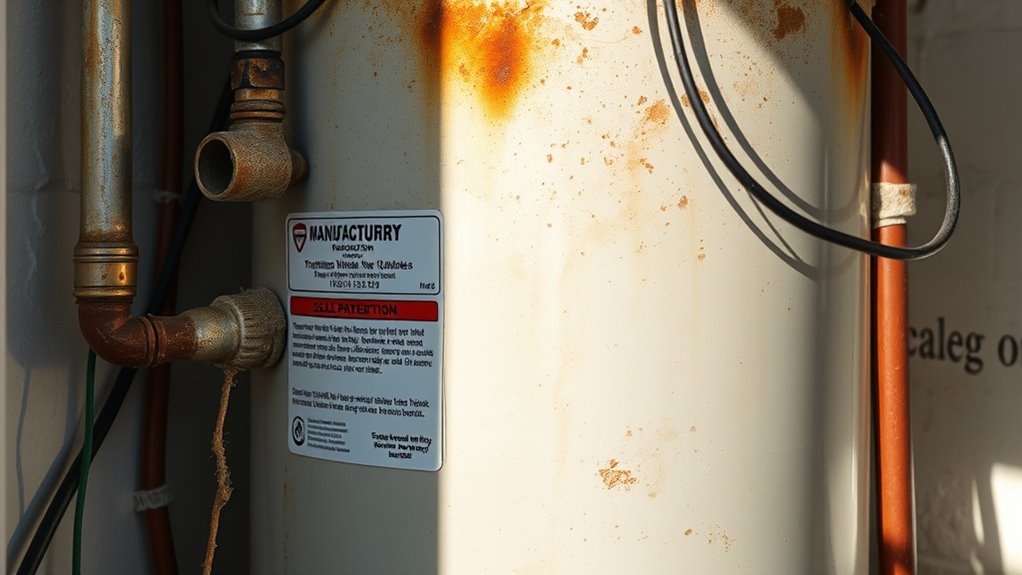
Ignoring your manufacturer’s maintenance recommendations can lead to scale buildup and reduced efficiency. Using proper water quality and following preventive tips are essential for long-lasting performance. Skipping these guidelines increases the risk of costly repairs and early tankless heater failure. Incorporating glycolic acid products into your routine can help maintain optimal performance and prevent mineral deposits.
Manufacturer’s Maintenance Recommendations
Failing to follow the manufacturer’s maintenance recommendations for scale prevention can lead to serious issues in your tankless heater. Ignoring these guidelines may cause mineral buildup, reduced efficiency, or costly damage. To stay on top of proper upkeep, consider these key points:
- Adhere strictly to the recommended maintenance schedules outlined in the manufacturer guidelines.
- Schedule regular flushes or descaling as advised to prevent scale accumulation.
- Use recommended cleaning products to avoid voiding warranties or damaging components.
- Keep detailed records of maintenance activities to ensure timely adherence to manufacturer guidelines.
Proper Water Quality Use
Using water that doesn’t meet the manufacturer’s recommended quality standards can considerably increase the risk of scale buildup in your tankless heater. To prevent this, assure you use proper water filtration and water softening methods as specified. Ignoring these guidelines can lead to mineral deposits and reduced efficiency. Consider implementing a water softener if your water is hard, and use filtration systems to remove sediments and impurities. Regularly check and maintain these systems to keep water quality ideal. Proper water quality use is vital for reliable tankless heater operation, as water treatment techniques are essential for maintaining system longevity and performance. Here’s a quick comparison:
| Water Quality Aspect | Recommended Action | Result |
|---|---|---|
| Hardness level | Water softening | Less scale buildup |
| Sediments | Water filtration | Cleaner heat exchangers |
| pH level | Maintain neutral pH | Prevent corrosion |
| Impurities | Use appropriate filters | Longer heater lifespan |
| Mineral content | Follow manufacturer’s guidelines | Better performance |
Adherence to Preventive Tips
To make certain your tankless heater operates efficiently and lasts longer, it’s vital to follow the manufacturer’s preventive maintenance guidelines closely. Neglecting these tips can lead to scale buildup, reducing energy efficiency and risking corrosion prevention issues. To stay on track:
- Regularly flush the system as recommended to prevent scale formation.
- Use water treatment solutions if specified to reduce mineral deposits.
- Inspect and replace anode rods or filters promptly to avoid corrosion.
- Schedule professional check-ups to ensure all components function correctly.
- Be aware that Jeep tuning techniques, when improperly applied, can negatively impact your heater’s performance and longevity.
Following these guidelines helps maintain optimal energy efficiency and extends your heater’s lifespan. Ignoring preventive tips can cause costly damage and decrease performance, so stay proactive and adhere to the manufacturer’s instructions for best results.
Neglecting Proper Installation and System Setup

Neglecting proper installation and system setup can lead to significant issues with your tankless heater’s performance and longevity. When you skip correct system installation, you risk improper plumbing configuration, which can cause uneven water flow and pressure problems. Poorly planned plumbing can lead to frequent scale buildup and inefficient operation. Ensuring your system is installed according to manufacturer guidelines is vital to prevent leaks and reduce stress on components. Proper system setup includes correct sizing, adequate flow rates, and appropriate venting. If these steps are ignored, your heater may cycle more often, wear out faster, or develop scale issues prematurely. Additionally, using the right best beverage fridges or choosing energy-efficient models can help prevent unnecessary strain on your system. Taking the time to install your tankless heater correctly and configuring the plumbing properly helps maximize efficiency, reduces maintenance, and extends the lifespan of your system.
Attempting Repairs Without Proper Knowledge or Tools

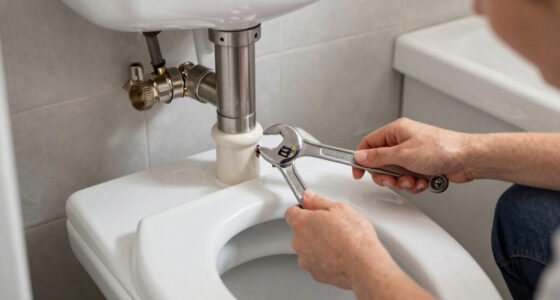
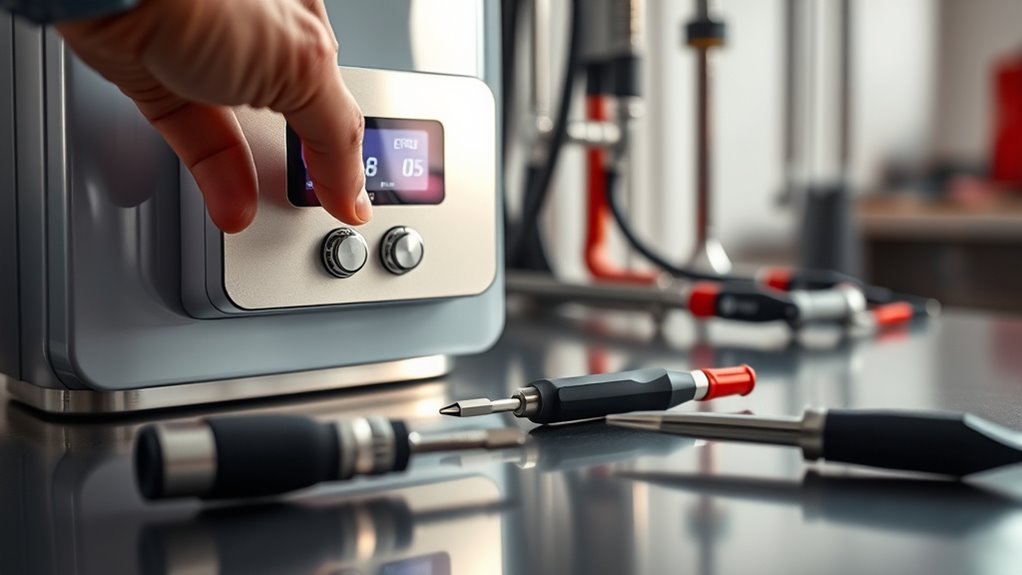
Attempting to repair your tankless heater without proper knowledge or the right tools can cause more damage than good. DIY repairs might seem straightforward, but without expertise, you risk worsening the problem. Instead, focus on these steps:
Fixing your tankless heater without expertise can cause more harm—know when to call a professional.
- Assess your skills—know when to call a professional for diagnostics.
- Gather proper tools—using the wrong equipment can damage components.
- Avoid guessing—don’t try to fix complex issues based on limited knowledge.
- Seek professional diagnostics—experts can identify the root cause safely and accurately.
Relying Solely on Chemical Treatments Without Mechanical Cleaning
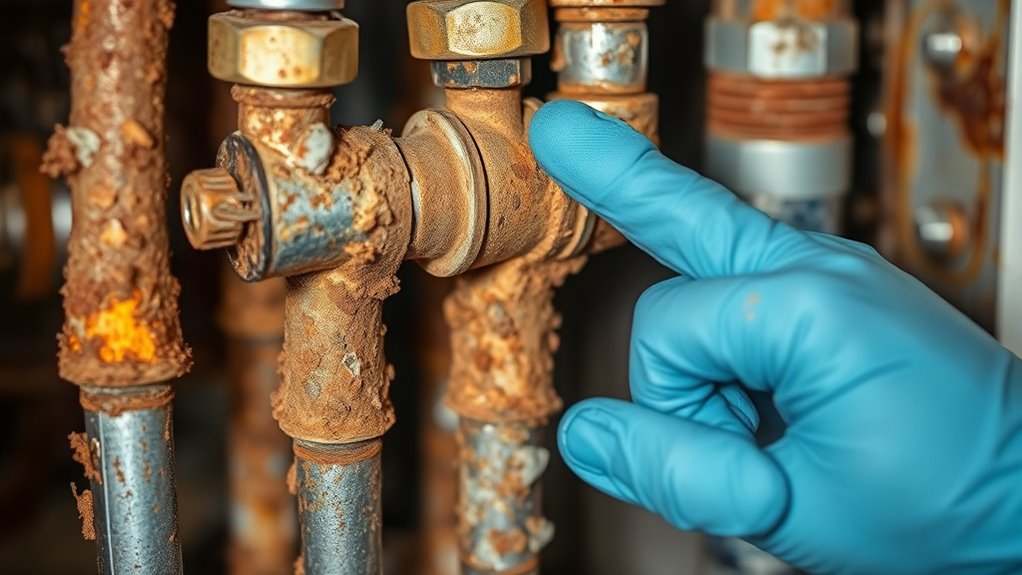
Relying solely on chemical treatments to clean your tankless heater can lead to incomplete maintenance and recurring issues. While chemical descaling solutions can dissolve mineral buildup, they often lack the ability to remove stubborn scale deposits embedded in tight spots or hard-to-reach areas. Without mechanical cleaning, mineral scale can accumulate, reducing chemical resistance and impairing heat transfer. This can compromise corrosion prevention, increasing the risk of internal damage over time. Mechanical cleaning—such as brushing or flushing—physically dislodges stubborn deposits that chemicals alone might miss. Combining mechanical cleaning with chemical treatments ensures a thorough removal of scale, maintains the heater’s efficiency, and prolongs its lifespan. Don’t depend solely on chemicals; integrate mechanical methods for ideal scale control.
Disregarding Signs of Scale Buildup or System Strain
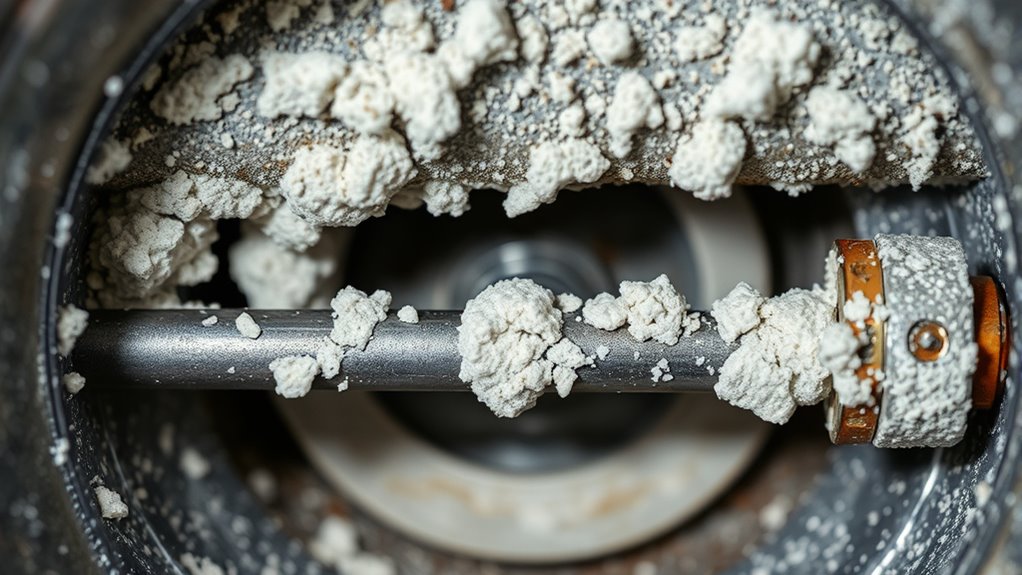
If you ignore the early warning signs of scale buildup or system strain, your tankless heater can suffer from reduced efficiency and potential damage. Recognizing these signs is vital for proper maintenance. Here are key indicators:
- Decreased water flow or pressure during use.
- Sudden fluctuations in water temperature.
- Unusual noises like banging or rumbling.
- Longer heating cycles or inconsistent hot water supply.
These symptoms often point to scale formation, which causes system strain. By paying attention to these signs, you can prevent costly repairs and extend your heater’s lifespan. Regular inspections and timely cleaning are essential to keep scale buildup in check and guarantee your system runs smoothly. Don’t dismiss these warning signs — addressing them early saves time and money.
Frequently Asked Questions
How Can I Detect Early Signs of Scale Buildup in My Tankless Heater?
You can detect early signs of scale buildup by paying attention to sensor alerts from your heater and conducting regular water quality testing. Sensor alerts often notify you when performance drops or temperatures fluctuate unexpectedly. Additionally, testing your water helps identify high mineral content that can lead to scale. Addressing these signs early prevents costly repairs and keeps your tankless heater running efficiently.
What Are the Signs Indicating a Need for Professional Scale Removal?
Did you know that over 60% of tankless heater issues are caused by scale mineral buildup? If you notice your heater’s flow rate drops or it takes longer to heat water, it’s a sign of efficiency decline. These issues indicate a need for professional scale removal. Ignoring these signs can lead to costly repairs, so don’t hesitate to get expert help when you observe reduced performance or unusual noises.
How Often Should I Check My Water Hardness Levels?
You should check your water hardness levels quarterly to prevent mineral deposits from affecting your tankless heater. Water softening helps reduce minerals that cause scale buildup, ensuring your system runs efficiently. Regular testing allows you to catch high mineral content early, so you can adjust your water treatment accordingly. Staying proactive with water hardness checks helps avoid costly repairs and prolongs the life of your heater.
Can Improper Installation Cause Increased Scale Formation?
Yes, improper installation can cause increased scale formation. Installation errors, like incorrect placement or improper wiring, can lead to inefficient heater operation and reduced water flow, making mineral deposits more likely to accumulate. When your tankless heater isn’t set up correctly, it struggles to regulate water temperature, which encourages scale buildup. To prevent this, guarantee professional installation that follows manufacturer guidelines and avoids shortcuts that could compromise your system’s performance.
What Are the Long-Term Risks of Neglecting Scale Control?
Neglecting scale control is like ignoring a ticking time bomb. Over time, scale buildup and mineral deposits can clog your heater, leading to decreased efficiency and potential failure. This puts you at risk of costly repairs and early replacement. If you don’t address mineral deposits early, you could face significant downtime and higher energy bills. Regular maintenance keeps your heater running smoothly and extends its lifespan, saving you money in the long run.
Conclusion
Think of your tankless heater as a finely tuned musical instrument. If you ignore regular tuning and maintenance, it’ll soon produce off-key sounds or stop playing altogether. By avoiding these common mistakes—like neglecting descaling or overlooking signs of scale—you keep your system singing smoothly. Stay vigilant, follow the right steps, and your heater will perform flawlessly, providing you with warm water just like a well-played symphony that never misses a beat.
Fall yard work Picks
leaf blowers
As an affiliate, we earn on qualifying purchases.