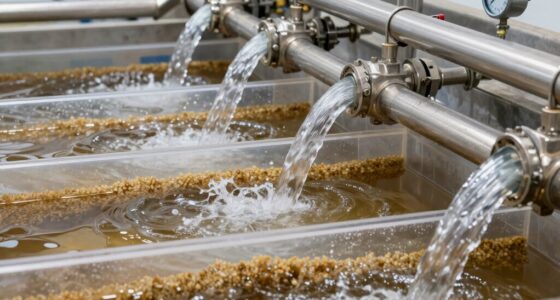
Disposing of softener brine can harm local water quality and ecosystems because it releases salty, mineral-rich wastewater into waterways, increasing salinity levels that harm aquatic life and reduce biodiversity. To minimize these impacts, consider using alternative regeneration methods, salt-free systems, or treating and diluting brine before disposal. Implementing better waste management practices helps protect the environment and guarantees sustainable water use. Keep exploring to uncover more ways to reduce your carbon footprint and safeguard water sources.

Get home appliances delivered free — and shop member deals
- Fast, free delivery on millions of items
- Access to Prime Big Deal Days deals on October 6–7
- Prime Video, Amazon Music and more included
Key Takeaways
- Discharging softener brine increases local water salinity, harming aquatic ecosystems and reducing biodiversity.
- High salt levels from brine can contaminate groundwater and surface water sources, impacting drinking water quality.
- Proper brine management, such as dilution or treatment, helps mitigate environmental risks associated with disposal.
- Using salt-free or alternative regeneration methods minimizes or eliminates harmful brine production.
- Implementing sustainable technologies and better disposal practices can significantly reduce the ecological footprint of water softening.
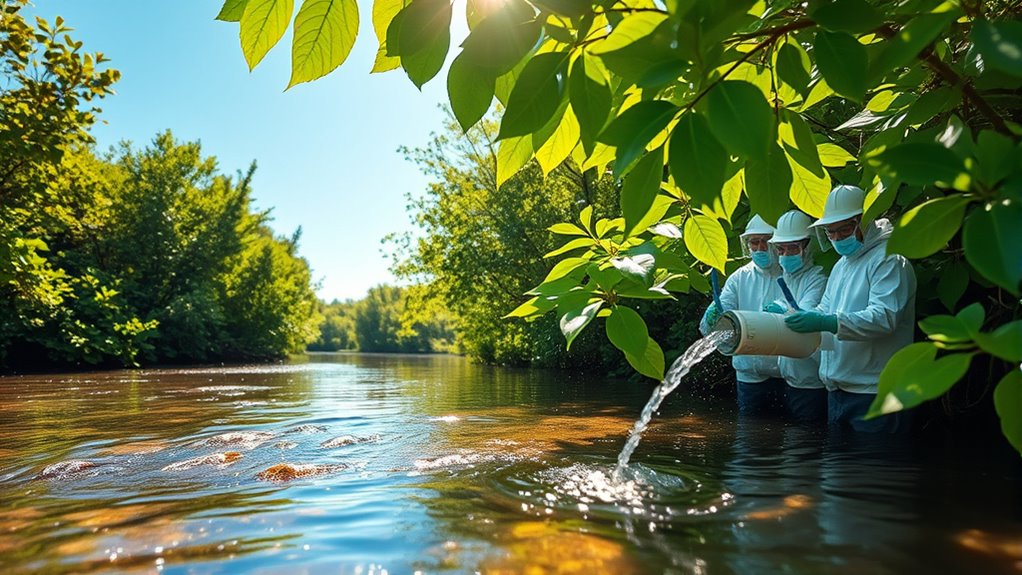
Have you ever wondered what happens to the water after a water softener regenerates? When your softener completes its cycle, it produces a salty, mineral-laden waste known as brine. This brine isn’t just discarded haphazardly; it’s typically flushed out through your plumbing system into the municipal sewer or septic system. But this process raises environmental concerns, especially regarding brine disposal and its contribution to water pollution. The high concentration of salt and minerals in the brine can seep into local waterways, potentially harming aquatic life and disrupting ecosystems. Over time, increased salinity levels in water sources can make the water unsuitable for plants, animals, and even human consumption.
The problem with brine disposal isn’t just about salt; it’s about how much salt gets released into our environment. When large quantities of brine enter lakes, rivers, or groundwater, they elevate the salt levels beyond natural levels, a process known as water pollution. Elevated salinity affects freshwater organisms, reducing biodiversity and impairing their ability to thrive. This contamination can also make water treatment more difficult and expensive downstream, impacting communities that rely on these water sources. As someone concerned about environmental health, it’s important to realize that improper disposal of brine can have long-term, adverse consequences for local ecosystems and water quality. Additionally, research indicates that glycolic acid benefits in skincare demonstrate how chemical components can influence environmental health, emphasizing the importance of reducing harmful substances in waste streams.
Fortunately, there are ways to minimize the environmental impact of softener brine. One approach is to explore alternative regeneration methods that use less salt or different chemicals altogether. Some systems now incorporate salt-free technologies that don’t produce brine at all, greatly reducing water pollution risks. Additionally, if your water softener is part of a larger community or municipal system, advocating for better brine management practices can make a difference. For instance, some facilities treat or dilute the brine before releasing it into waterways, reducing its harmful effects. Installing a brine recirculation system or using more sustainable salt options can also help limit the amount of salt entering the environment.
As an affiliate, we earn on qualifying purchases.
Frequently Asked Questions
Can Natural Water Sources Recover From Brine Pollution?
Natural water sources can recover from brine pollution over time, but it depends on factors like aquifer recharge rates and ecosystem resilience. You can help speed up recovery by reducing additional pollutants and supporting natural recharge processes. Protecting surrounding ecosystems strengthens their resilience, making them better able to filter and dilute contaminants. While recovery is possible, ongoing efforts are essential to protect water sources and restore their health after brine contamination.
Are There Biodegradable Alternatives to Traditional Softener Salts?
They say “every cloud has a silver lining,” and in this case, yes, there are biodegradable salts and eco-friendly softeners available. These alternatives break down more easily in the environment, reducing pollution. Switching to biodegradable salts and eco-friendly softeners can help you minimize your ecological footprint while maintaining soft water. You’ll be doing your part to protect water sources and promote sustainable living.
How Does Brine Disposal Affect Local Aquatic Ecosystems?
When you dispose of softener brine improperly, it can harm aquatic life through increased aquatic toxicity, disrupting local ecosystems. The high concentration of salts and chemicals can stress or kill fish and invertebrates, leading to ecosystem disruption. To protect these environments, avoid dumping brine directly into water sources, and consider eco-friendly disposal methods or using biodegradable alternatives that lessen environmental impacts.
What Regulations Govern Brine Discharge in Different Regions?
Regional policies and discharge standards act as guardians, protecting aquatic life from harmful brine. You must follow these regulations, which vary by region, to guarantee safe disposal. Think of them as a map guiding your actions, helping you navigate the complexities of environmental responsibility. By adhering to local rules, you become a steward of water health, ensuring that your softener’s waste doesn’t threaten the ecosystem’s delicate balance.
Can Household Softening Systems Reduce Environmental Impact?
Yes, household softening systems can reduce environmental impact by improving household efficiency and using salt alternatives. You can choose salt-free or potassium-based softeners, which generate less brine and are more eco-friendly. Regular maintenance guarantees peak performance, minimizing excess discharge. By being mindful of your system and exploring eco-friendly options, you help lower the environmental footprint of water softening, making a positive difference for your community and the planet.
As an affiliate, we earn on qualifying purchases.
Conclusion
Reducing the environmental impact of softener brine is vital for protecting our water sources. Did you know that one typical household softener can discharge up to 80 gallons of brine annually? By installing alternative systems like salt-free conditioners or using water-efficient practices, you can make a difference. Every small change helps lower salt and chemical runoff, supporting healthier ecosystems and safer drinking water for everyone. Your choices truly matter in minimizing this pollution.
water softener with eco-friendly regeneration
As an affiliate, we earn on qualifying purchases.
As an affiliate, we earn on qualifying purchases.
As an affiliate, we earn on qualifying purchases.
NFL season / tailgating Picks
team gear
As an affiliate, we earn on qualifying purchases.