
To guarantee your home iron test complies with codes and stays accurate, follow best practices: clean your hands thoroughly, use the test kit as instructed, and avoid contamination. Don’t rush the process or store samples improperly, as these mistakes can skew your results. Stick to established procedures, keep tests in proper conditions, and stay consistent. Keep these tips in mind, and you’ll be on the right track to reliable home iron testing—more helpful advice ahead.

Get home appliances delivered free — and shop member deals
- Fast, free delivery on millions of items
- Access to Prime Big Deal Days deals on October 6–7
- Prime Video, Amazon Music and more included
Key Takeaways
- Follow manufacturer instructions carefully to ensure compliance with home testing codes and standards.
- Use approved test kits and verify their certification for accuracy and regulatory compliance.
- Store and handle test samples properly to meet regulatory requirements and prevent contamination.
- Document and record test results accurately to meet legal and health compliance standards.
- Regularly update yourself on local regulations and guidelines concerning home iron testing procedures.
Best Practices for Accurate Home Iron Testing

To make certain your home iron test results are accurate, it’s crucial to follow proper procedures carefully. Many people fall for iron level myths, which can lead to misleading results and unnecessary worry. To ensure testing accuracy, always read the instructions thoroughly before starting. Use the test kit within the recommended timeframe and avoid touching the testing area with your hands. Collect a fresh sample, preferably in the morning, when iron levels are most stable. Keep the test strip away from moisture and direct sunlight. Consistency is key—test under similar conditions each time. Additionally, understanding the impact of automation in business can help contextualize how technology influences health monitoring tools. Remember, rushing through the process or ignoring guidelines may compromise your results. By following these best practices, you can confidently rely on your home iron test and better understand your health.
Common Pitfalls to Avoid When Using At-Home Iron Test Kits
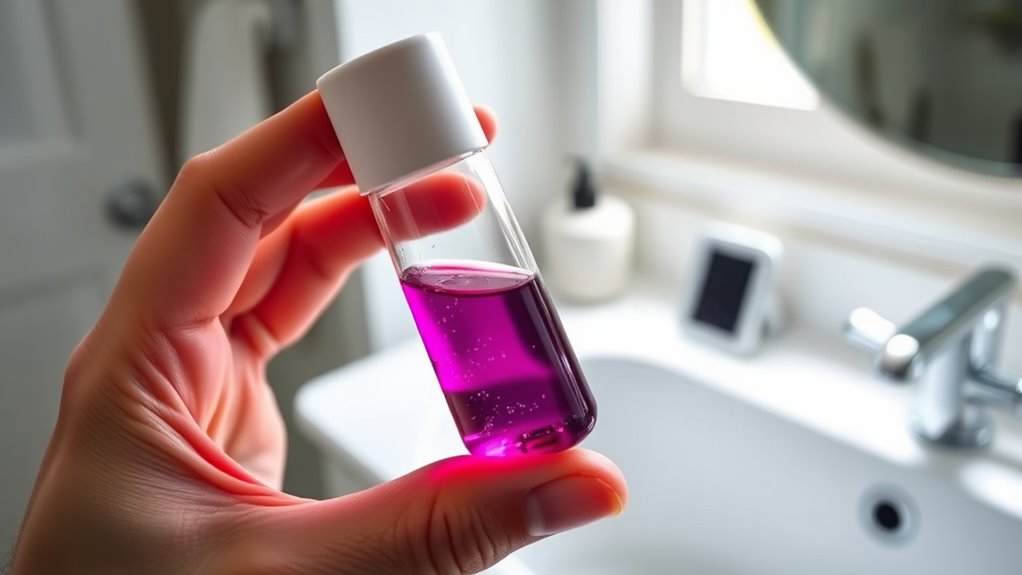
Even when you follow the best practices for accurate home iron testing, certain mistakes can still skew your results. One common pitfall is improper sample collection techniques, which can compromise iron test accuracy. For instance, not cleaning your finger properly before pricking or pressing too hard can alter blood flow and affect the sample. Additionally, rushing the process or contaminating the sample with dirt or other substances can lead to inaccurate readings. Make sure to follow the kit instructions precisely, including proper hand hygiene and correct blood draw methods. Avoid storing samples incorrectly or delaying testing, as these can also impact accuracy. Paying close attention to sample collection techniques, such as maintaining proper sample handling, minimizes errors and gets you the most reliable results from your at-home iron test.
Frequently Asked Questions
Can At-Home Iron Tests Replace Lab Blood Tests?
At-home iron tests can’t fully replace lab blood tests, especially if you’re concerned about iron deficiency or preparing for blood donation. While at-home kits offer quick insights, they lack the accuracy and detailed analysis labs provide. Blood donation centers and doctors need precise data to assess your iron levels properly. For reliable results, especially if you’re worried about deficiency, it’s best to consult a healthcare professional and get lab testing.
How Often Should I Perform At-Home Iron Testing?
You should perform at-home iron testing every 3 to 6 months if you’re dealing with iron deficiency or taking supplements. Regular testing helps you monitor your iron levels and adjust supplement timing as needed. If your levels are stable, you might extend the interval. Always follow your healthcare provider’s advice and make certain you’re using reliable testing kits to keep track of your iron status accurately.
Are There Specific Brands Recommended for Accurate Results?
You should look for brand recommendations that prioritize test accuracy to guarantee reliable results. Popular trusted brands like Everlywell, LetsGetChecked, and myLAB Box are known for their high accuracy and user-friendly at-home iron testing kits. Always check reviews and certification to confirm their reliability. Choosing reputable brands helps you get precise readings, so you can monitor your iron levels confidently and make informed health decisions.
What Factors Can Interfere With At-Home Iron Test Accuracy?
Like a clear stream disrupted by debris, your test results can be thrown off by blood sample contamination and testing environment factors. If your sample isn’t pristine or if the testing area isn’t clean or stable, inaccuracies can occur. Make sure your hands are clean, follow instructions precisely, and perform the test in a consistent environment. These steps help maintain the integrity of your sample, guiding you toward more reliable iron level readings.
How Should I Interpret Borderline Iron Level Results?
If your iron level results are borderline, consider the signs of iron deficiency like fatigue or pale skin, and discuss these with your healthcare provider. Borderline results may also indicate early hemochromatosis detection or iron deficiency. Don’t ignore these results; they warrant further testing or monitoring. Stay proactive by maintaining a healthy diet rich in iron and follow your doctor’s advice for accurate diagnosis and appropriate treatment.
Conclusion
By following the best practices and steering clear of common pitfalls, you’ll guarantee your at-home iron tests are like a lighthouse guiding you through uncertain waters. Remember, accuracy is your compass—so handle your test kits with care and patience. When you do, you’ll navigate your iron levels confidently, avoiding false alarms or missed signals. Think of it as tuning into your body’s signals—trusting the process helps you stay on course toward better health.
Fall yard work Picks
leaf blowers
As an affiliate, we earn on qualifying purchases.