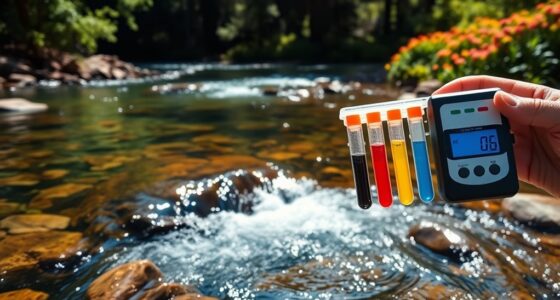
To master tracking water quality over time in a weekend, start by gathering simple, affordable test strips or digital testers for key parameters like pH, chlorine, and contaminants. Set up a clean, organized testing station and collect water samples carefully using labeled containers. Regularly analyze results, record each measurement, and compare your data against safety standards. Keep a consistent schedule to catch issues early, and if you keep going, you’ll gain deeper insight into ensuring ongoing water safety.

Get home appliances delivered free — and shop member deals
- Fast, free delivery on millions of items
- Access to Prime Big Deal Days deals on October 6–7
- Prime Video, Amazon Music and more included
Key Takeaways
- Establish a consistent sampling schedule and select key water quality parameters to monitor regularly.
- Use affordable, reliable testing tools like test strips or digital sensors for quick, accurate results.
- Record all data systematically in logs or spreadsheets with date, location, and measurement details.
- Analyze trends over time to identify contamination patterns and assess water safety.
- Adjust testing frequency after weather events or contamination alerts to ensure ongoing water quality management.
Gathering Essential Tools and Supplies
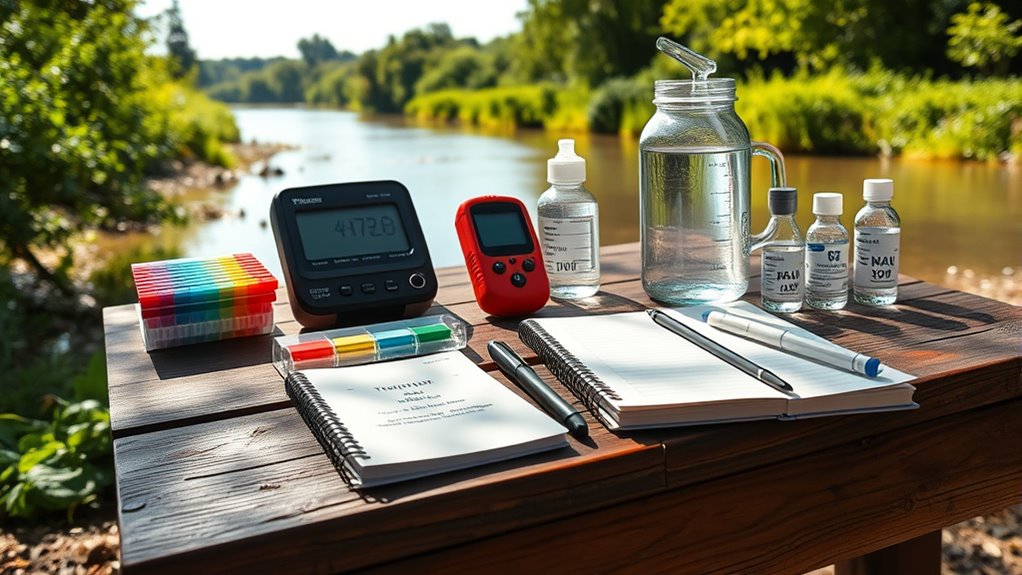
Before you begin monitoring water quality, it’s important to gather all the necessary tools and supplies. Many people fall for water testing myths that suggest expensive equipment is always better, but DIY testing tips show simple, affordable kits can be effective. Start with basic water test strips or digital testers for pH, chlorine, and contaminants. Make certain you have clean containers for collecting samples and a notebook to record results. Don’t forget gloves and safety gear to protect yourself. While some believe water testing requires complex instruments, basic kits are user-friendly and reliable for routine checks. Incorporating sound healing science concepts can also help you stay focused and relaxed during testing. By assembling these essential supplies beforehand, you’ll be ready to accurately monitor water quality and make informed decisions, all without falling for common myths or overspending.
Understanding Key Water Quality Parameters

Understanding key water quality parameters helps you assess the health of your water source. You’ll learn about essential measurements like pH, dissolved oxygen, and contaminants, as well as effective monitoring techniques. Interpreting this data allows you to make informed decisions for maintaining clean and safe water. Additionally, staying updated on AI discoveries in water analysis can significantly enhance your monitoring capabilities.
Essential Water Parameters
Monitoring essential water parameters is crucial for evaluating water quality and ensuring safe, healthy water for ecosystems and human use. Understanding key water chemistry helps you identify contamination sources that can affect water safety. Parameters like pH indicate acidity or alkalinity, while dissolved oxygen reflects water’s ability to support aquatic life. Turbidity reveals the presence of particles that may harbor pollutants, and nutrients like nitrates and phosphates can signal runoff or pollution. Monitoring these parameters allows you to detect early signs of contamination and assess overall water health. By focusing on these essential factors, you gain a clear picture of water quality, helping you make informed decisions quickly and effectively. Keeping track of these parameters is the foundation of reliable water safety management. Additionally, automation in business has the potential to streamline data collection processes, making continuous monitoring more efficient and accurate.
Monitoring Techniques Overview
To effectively assess water quality, you need reliable techniques to measure key parameters accurately and efficiently. Water sampling is essential; it involves collecting representative samples to analyze specific water quality indicators such as pH, dissolved oxygen, and contaminants. Using portable testing kits or electronic sensors allows you to gather real-time data in the field, saving time and reducing errors. Once you’ve collected samples, data analysis helps interpret the results, revealing trends and potential issues. Proper sampling methods ensure consistency, while accurate data analysis confirms whether water conditions meet safety standards. Additionally, understanding the pollutant reduction capabilities of filtration technologies can help you determine the most effective methods for improving water safety. By mastering these techniques, you can monitor water quality over time, identify problems early, and make informed decisions to maintain safe water environments.
Interpreting Water Data
After collecting water samples with reliable techniques, interpreting the data they provide is the next step to evaluating water quality. Key parameters like pH, turbidity, dissolved oxygen, and contaminant levels reveal whether your water is safe or shows signs of water contamination. Elevated levels of heavy metals or bacteria indicate potential health risks, requiring prompt water treatment. Understanding these parameters helps you identify patterns over time, spotting contamination early. If contaminants persist, you may need to adjust your water treatment methods, such as filtration or chlorination. Accurate interpretation allows you to make informed decisions about maintaining or improving water safety. Additionally, monitoring the contrast ratio can help assess if your water treatment system is effectively removing impurities that affect clarity and color, ensuring optimal water quality. Remember, consistent analysis and understanding of water quality data are essential for ensuring safe, clean water in your environment.
Setting Up Your Water Testing Station
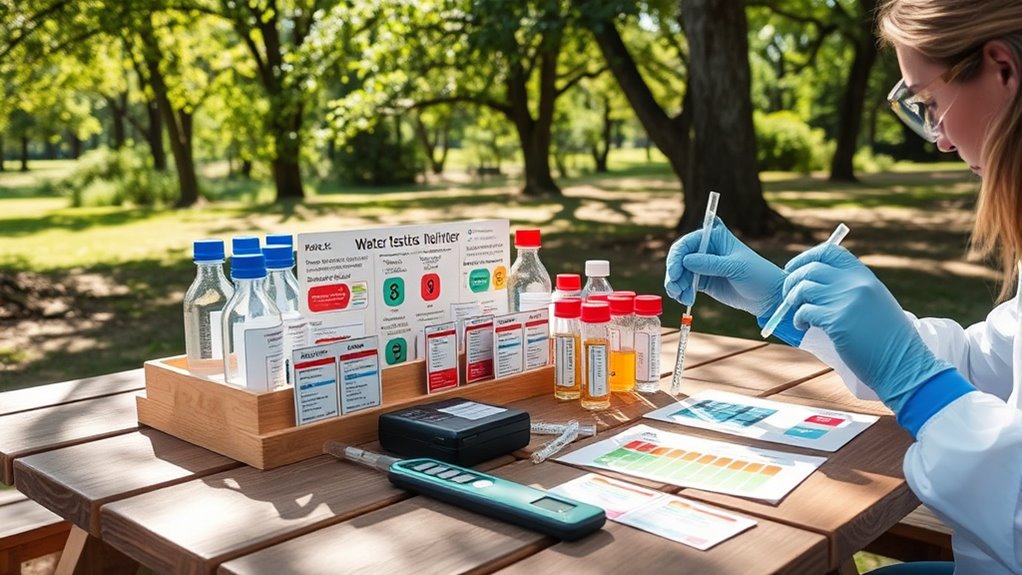
Start by gathering all your testing supplies and making certain you have everything you need. Choose a designated area that’s clean and organized to keep your tests efficient and accurate. Finally, set up a system for storing samples properly to prevent contamination and ensure reliable results. Additionally, ensure that your water testing methods are aligned with best practices for water quality monitoring to maintain consistent and accurate results.
Gather Testing Supplies
Before you begin testing, gather all the necessary supplies to set up your water testing station. You’ll need test kits or strips designed for water analysis, along with clean containers for samples. Make sure to have a stopwatch or timer to track reaction times, and a notebook for recording results. Use gloves and protective eyewear to prevent water contamination and ensure testing accuracy. Keep calibration solutions or reference samples nearby if your tests require calibration. Having everything organized in one place helps streamline the process, reducing errors and ensuring reliable results. Confirm that the testing supplies are within their expiration dates for accurate readings. Properly understanding water testing methods can significantly improve your ability to monitor water quality effectively. Preparing your supplies beforehand guarantees a smooth testing process and more precise monitoring of your water quality over time.
Designate Testing Area
Designating a specific area for water testing helps keep your supplies organized and your results accurate. A dedicated testing station ensures water safety remains a top priority and makes monitoring easier. To set up your testing location effectively, consider these steps: 1. Choose a clean, flat surface away from direct sunlight and contamination. 2. Keep all testing supplies, like test kits and containers, within arm’s reach. 3. Mark the area clearly to prevent accidental disturbances. 4. Confirm good lighting to read results accurately and quickly. Proper setup of testing environments helps ensure reliable water quality results and maintains safety standards.
Organize Sample Storage
Organizing your sample storage is essential to guarantee that water samples remain uncontaminated and easy to access. Proper sample storage prevents contamination, which could skew your test results. Use clean, labeled containers for each sample, and keep them sealed tightly to avoid exposure to environmental elements. Designate a specific area for sample storage, ideally away from chemicals or other potential sources of contamination. Arrange samples systematically, such as by date or location, so you can easily track changes over time. Regularly check storage conditions, ensuring samples stay at consistent temperatures if required. Maintaining sample integrity is vital to ensure accurate water quality analysis. By maintaining organized sample storage, you streamline your water testing process and ensure the integrity of your data, making your water quality tracking reliable and efficient.
Collecting Water Samples Safely and Properly

To guarantee accurate water quality results, you must collect samples carefully and follow proper procedures. Proper sampling helps protect aquatic ecosystems and ensures reliable data. Here are essential steps:
Careful sampling ensures accurate water quality data and protects aquatic ecosystems.
- Choose a clean container, preferably sterile, to prevent contamination.
- Submerge the container just below the water surface, avoiding surface debris and water filtration devices that might skew results.
- Fill the container without overflowing, leaving some space if needed.
- Label each sample immediately with date, time, and location details.
Always wear gloves and handle samples carefully to avoid introducing pollutants. Collecting water samples properly ensures your data reflects true water quality, making it easier to track changes over time and assess the health of local aquatic ecosystems.
Using Test Kits to Analyze Water Quality

Using test kits to analyze water quality provides a quick and effective way to assess the health of a water source. These kits help you detect chemical contamination by testing for substances like nitrates, heavy metals, or pH levels. They also identify biological indicators, such as bacteria or algae, which signal potential health risks. With simple color-changing strips or digital readers, you can obtain immediate results without specialized lab equipment. Regular testing allows you to monitor fluctuations in water quality over time, helping you catch issues early. Keep in mind, though, that while test kits are useful for initial assessments, they don’t replace extensive lab analysis for detailed contamination profiles. Net+ certification benefits can help you understand and interpret complex water quality data more effectively. Use them as a practical, on-the-spot tool to maintain safe, clean water.
Recording and Interpreting Results
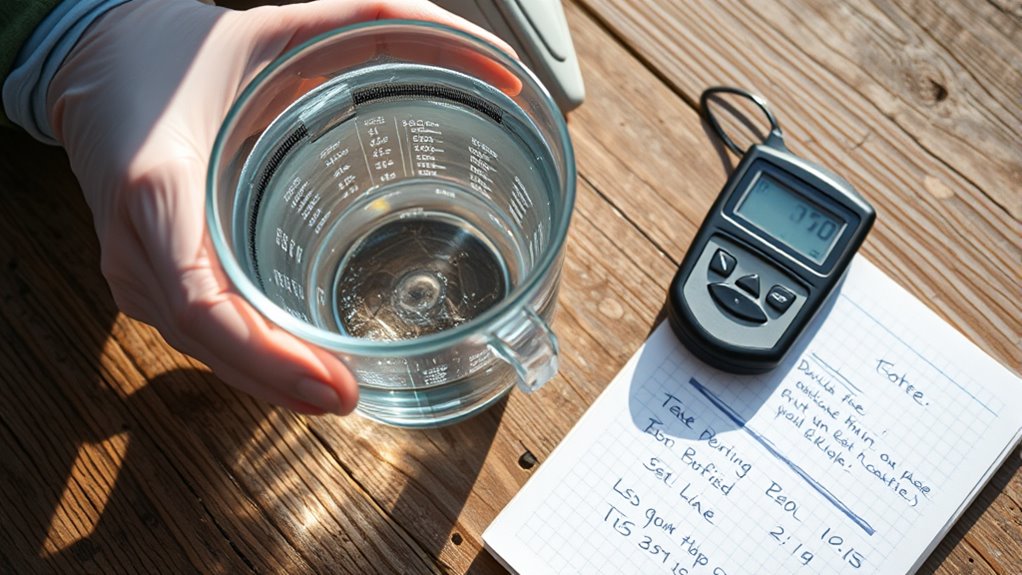
Once you’ve used test kits to gather water quality data, the next step is to record and interpret your results accurately. Proper documentation helps identify water contamination patterns and supports decision-making. Use these steps:
- Log your test results clearly, noting date, time, and specific measurements.
- Organize data in a spreadsheet for easy reference.
- Use data visualization tools like graphs to spot trends and anomalies.
- Compare current results against safety standards to assess water safety.
Interpreting data helps you understand contamination risks and whether water quality is improving or worsening. Visualizing results makes complex data easier to comprehend, enabling quick action when contamination appears. Accurate recording and interpretation are key to maintaining safe water over time.
Establishing a Monitoring Schedule for Ongoing Safety

Establishing a monitoring schedule is essential for maintaining water safety over time. To guarantee your water remains safe, set a consistent testing frequency based on your water source and usage. Regular testing helps catch issues early and keeps you proactive.
Use this chart to determine testing frequency:
| Water Source | Testing Frequency | Key Focus |
|---|---|---|
| Well Water | Monthly | Bacteria, nitrates |
| Municipal Water | Quarterly | Chemical contaminants |
| Surface Water | Weekly | Turbidity, pollutants |
Adjust testing frequency as needed, especially after weather events or if tests indicate potential contamination. Staying vigilant with your schedule guarantees ongoing water safety.
Troubleshooting Common Issues and Next Steps
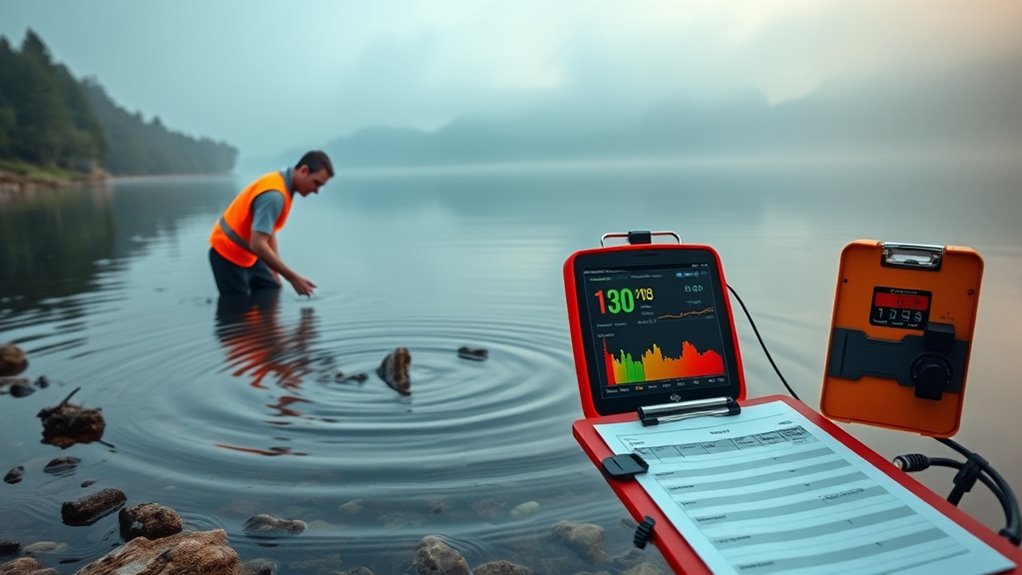
When you notice unusual changes in your water quality results or detect contaminants during routine testing, it’s important to identify the underlying issues promptly. First, check for equipment malfunctions or calibration errors that could skew results. Second, review recent activities like chemical additions or water conservation measures that might affect water chemistry. Third, assess if external factors, such as runoff or pollution, are impacting your aquatic ecosystems. Fourth, consider sampling locations—poor placement can lead to misleading data. Troubleshooting these issues helps maintain healthy aquatic ecosystems and ensures safe water over time. Once identified, take corrective actions like adjusting treatments or improving filtration. Regular monitoring and quick responses keep water safe and support sustainable water conservation efforts.
Frequently Asked Questions
How Can I Ensure Accuracy in My Water Quality Test Results?
To guarantee accuracy in your water quality test results, you should use proper sampling techniques, like collecting samples at consistent locations and times, and avoid contamination. Regular calibration methods are essential; always calibrate your testing equipment before each use to maintain precision. Additionally, follow the manufacturer’s instructions carefully, record your data meticulously, and perform repeated tests to confirm consistency, making certain reliable and accurate water quality assessments over time.
What Are the Most Common Contaminants to Monitor in Water Safety?
You should monitor common contaminants like pesticides, which can indicate agricultural runoff, and heavy metals such as lead or mercury, which pose serious health risks. Regular testing helps you detect pesticide contamination early and guarantee heavy metal detection is accurate. By focusing on these contaminants, you safeguard your water’s safety, prevent health issues, and maintain a reliable water supply. Consistent testing and proper equipment are key to effective monitoring.
How Do Seasonal Changes Affect Water Quality Over Time?
During seasonal fluctuations, water quality can change considerably, especially with temperature impacts. For example, in spring, rising temperatures promote algae blooms, which can release toxins and degrade water safety. These changes require you to monitor parameters like microbial levels and nutrient concentrations more frequently. By understanding how seasonal shifts influence water chemistry, you can better anticipate risks and guarantee safety throughout the year, even over a weekend.
What Should I Do if Test Results Show Unsafe Water Levels?
If your test results show unsafe water levels, you should prioritize emergency preparedness by avoiding using the water for drinking or cooking. Immediately implement water treatment methods like boiling, filtering, or adding disinfectants to make the water safe. Contact local authorities for guidance and consider using bottled water until the issue is resolved. Staying proactive guarantees your safety while addressing water quality concerns effectively.
Are There Any Legal Regulations for Water Testing Frequency?
Think of water testing as a dance where legal compliance sets the rhythm. Regulations often specify minimum testing schedules to assure safety, especially for public water supplies. You must follow local, state, or federal rules to stay in step. Regular testing schedules help catch issues early. Check with your local water authority or environmental agency to understand specific legal regulations, guaranteeing you’re always in sync and safeguarding water quality effectively.
Conclusion
Now that you’re a water quality detective, don’t let all your new knowledge go to waste. Keep monitoring, recording, and troubleshooting like a pro — because nothing says “fun weekend” like obsessively tracking tiny water changes. Remember, if your water suddenly turns into a science experiment, it’s not panic time… it’s just your new hobby. Cheers to safer water and endless hours of aquatic intrigue—who knew monitoring could be so thrilling?
Fall Picks
fall essentials
As an affiliate, we earn on qualifying purchases.