
The Complete Valving Layouts That Make Sense FAQ Playbook guides you through choosing the right flow control systems for your needs. It covers basic configurations, from simple single-valve setups to complex industrial arrangements, highlighting their benefits, maintenance tips, and safety considerations. Whether for residential or industrial use, understanding these layouts helps improve safety, efficiency, and expandability. Keep exploring to understand how to optimize your valving systems for long-term performance and reliability.
Key Takeaways
- Understand fundamental valving configurations, including control, shut-off, and regulating valves, for optimal system design.
- Recognize differences between single and multiple valve systems, along with their advantages and maintenance considerations.
- Learn residential and industrial valving layouts, highlighting safety, space efficiency, and process control benefits.
- Identify troubleshooting techniques for diagnosing leaks, flow issues, and valve responsiveness to ensure system reliability.
- Explore future trends like automation, smart valves, and safety features enhancing valving system safety and efficiency.

Control Valves for the Chemical Process Industries
As an affiliate, we earn on qualifying purchases.
As an affiliate, we earn on qualifying purchases.
Understanding Basic Valving Configurations
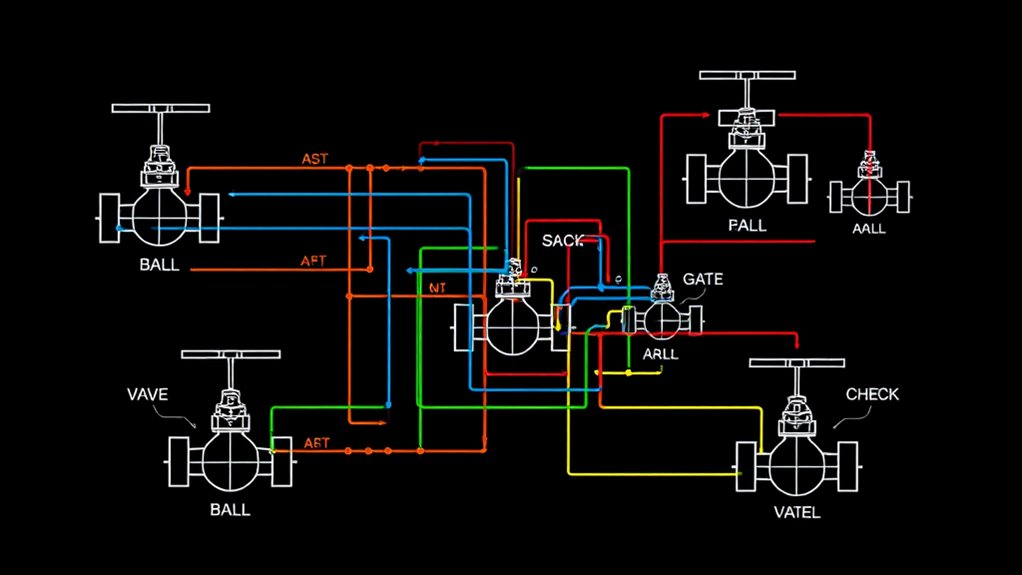
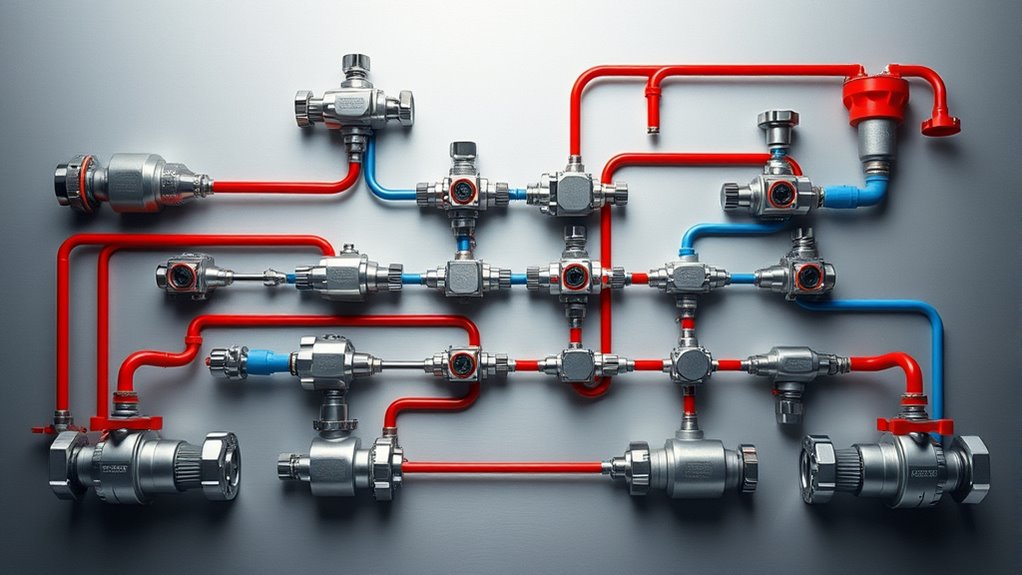
Have you ever wondered how different valve arrangements control fluid flow in a system? It all comes down to flow regulation and valve placement. Basic valving configurations are designed to direct, start, or stop fluid movement efficiently. For example, a simple shut-off valve placed at the right spot can completely isolate a section of a pipeline, ensuring safety and maintenance ease. Conversely, regulating valves control flow rates by adjusting their position, maintaining consistent pressure or flow. Proper valve placement is essential; placing valves too far from the point of use can cause delays or pressure drops, while strategic positioning improves system performance. Understanding how these basic configurations work helps you optimize fluid control, ensuring your system operates smoothly and reliably. Additionally, selecting the appropriate valve type for your specific application ensures optimal performance and longevity of the system.

10 Pack GUOFIS Angle Compression Stop Valve,1/4 Turn Water Shut Off Valve
- Durable Material: Lead-free brass with chrome finish
- Corrosion Resistant: Resists rust and corrosion
- Certified Quality: UPC certified and approved
As an affiliate, we earn on qualifying purchases.
As an affiliate, we earn on qualifying purchases.
Single vs. Multiple Valve Systems
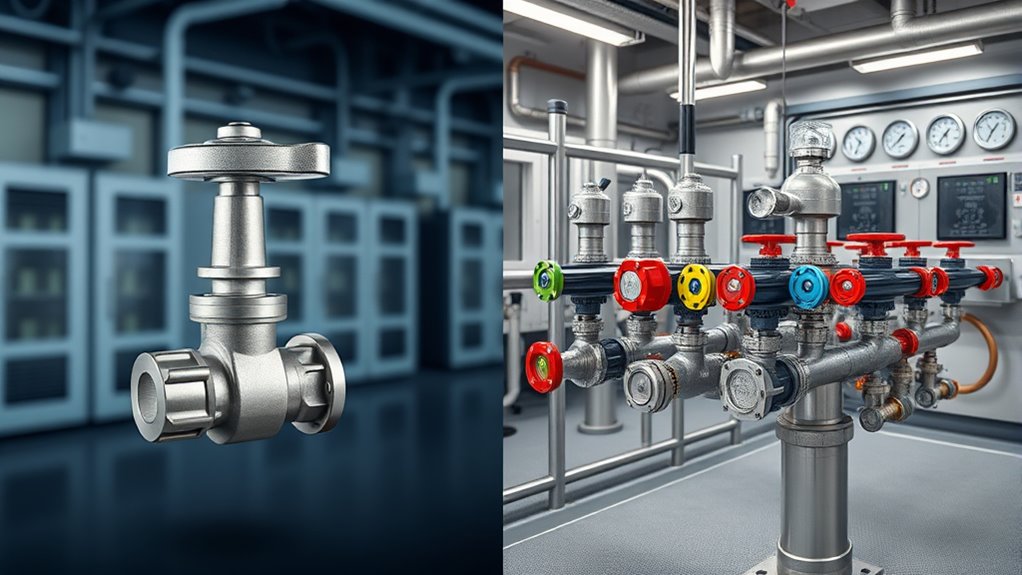
Single valve systems are simpler and easier to control, but they can become a bottleneck if you need to manage multiple functions. Multiple valve setups offer more precise control and flexibility, though they add complexity and require more maintenance. Understanding these differences helps you choose the right system for your specific needs. Additionally, selecting the appropriate valve system can influence overall pet safety and health by ensuring reliable operation, especially in environments that require regular maintenance and monitoring.
System Complexity Differences
Understanding the differences in system complexity is essential when choosing between single and multiple valve setups. Single valve systems are straightforward, offering easier valve ergonomics and simpler installation. They tend to be less intricate, reducing potential points of failure and making troubleshooting easier. Multiple valve systems, however, increase complexity, requiring more space and careful planning to ensure aesthetic integration. These setups often involve intricate piping and multiple control points, which can impact the overall design and user experience. While they demand more maintenance and attention, they can provide greater control and flexibility. Your choice depends on balancing system complexity with performance needs, ensuring that the layout aligns with your operational preferences and aesthetic goals. Additionally, understanding resources and tools available can help optimize maintenance and troubleshooting efforts for either system type.
Control and Maintenance
When it comes to control and maintenance, the choice between single and multiple valve systems substantially impacts ease of operation and ongoing upkeep. Single valve systems simplify maintenance because you only manage one valve, reducing parts to monitor and repair. However, multiple valve systems can offer better control over specific zones, though they require more complex installation techniques. The valve materials also matter; durable materials like bronze or stainless steel stand up better over time, making maintenance easier regardless of the system. Proper installation techniques, such as secure connections and precise valve placement, help prevent leaks and reduce maintenance frequency. Additionally, understanding valve system types can help you make an informed decision based on your specific landscape needs. Ultimately, selecting the right system depends on your needs for ease of control, ongoing upkeep, and the quality of valve materials used.

Moen Flo Shutoff, Automatic Water Leak Detector & Shutoff, 1"
- Automatic Water Shutoff: Automatically shuts off water to prevent damage
- Early Leak Detection: Detects leaks before damage occurs
- 24/7 Monitoring: Monitors flow, pressure, and temperature continuously
As an affiliate, we earn on qualifying purchases.
As an affiliate, we earn on qualifying purchases.
Common Valving Layouts for Residential Plumbing
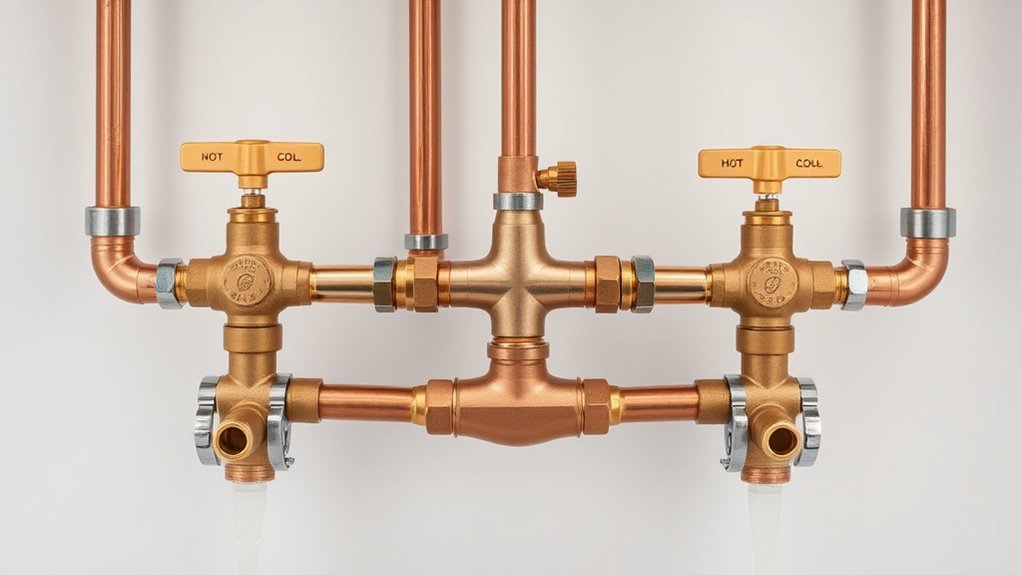
In residential plumbing systems, there are several common valving layouts designed to control water flow efficiently and facilitate maintenance. You’ll often see configurations like individual shutoff valves for sinks, toilets, and appliances, allowing targeted control without shutting down the entire system. When selecting valves, consider valve material selection—brass, plastic, or stainless steel—to guarantee durability and compatibility with water quality. Additionally, aesthetic valve design matters; sleek, modern valves can enhance your home’s interior look while providing functionality. These layouts typically incorporate simple, accessible valve placements for easy operation and repairs. Incorporating sound healing science concepts can even be applied in designing quieter plumbing systems that promote relaxation. By choosing the right materials and stylish designs, you ensure your plumbing system remains both functional and visually appealing, simplifying ongoing maintenance and improving overall convenience.

MOLAVIEEE 4PCS 3/4" Ball Valve Air Piping Fittings for Air Systems
- Instant Air Shut-Off: Quick airflow control for safety
- Heavy-Duty Brass Construction: Corrosion-resistant and durable
- Leak-Free Double O-Ring: Prevents leaks, easy to disassemble
As an affiliate, we earn on qualifying purchases.
As an affiliate, we earn on qualifying purchases.
Industrial Valving Arrangements and Their Benefits
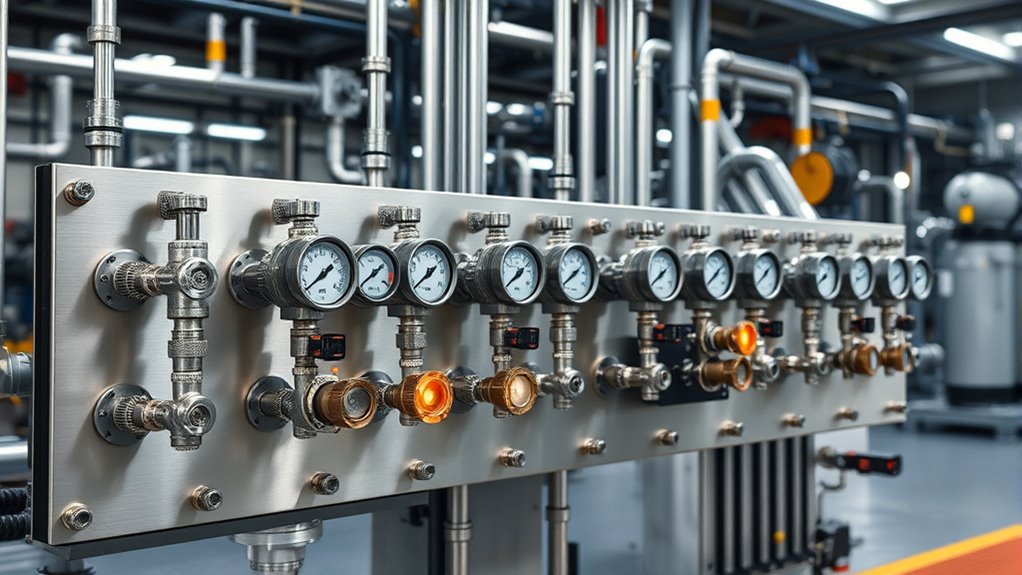
Industrial valving arrangements offer better process control, allowing you to fine-tune operations for maximum efficiency. They also improve system safety by isolating and managing potential hazards effectively. Plus, these setups save space and cut costs, making your system more streamlined and affordable. Incorporating wall organization systems can further enhance the functionality and aesthetic appeal of your industrial space.
Improved Process Control
Optimized valving arrangements play a crucial role in enhancing process control by allowing you to precisely regulate flow, pressure, and temperature within industrial systems. Selecting the right valve materials ensures durability and compatibility with your specific fluids, preventing corrosion or failure that could disrupt control. By understanding flow dynamics, you can design layouts that minimize turbulence and pressure drops, resulting in smoother operation. Proper valving arrangements help you respond quickly to process variations, maintaining consistent product quality and reducing waste. They also enable better automation, allowing for fine-tuned adjustments without manual intervention. Incorporating natural elements into your control systems can further promote stability and resilience. Ultimately, improved process control through strategic valving leads to increased efficiency, safety, and reliability in your industrial operations.
Enhanced System Safety
Proper valving arrangements considerably enhance system safety by preventing accidents and limiting the impact of faults. By integrating pressure regulation valves, you guarantee the system stays within safe operating limits, reducing the risk of overpressure incidents. Leak prevention is also vital; well-designed valving layouts isolate sections and contain leaks, minimizing hazards and environmental damage. Using safety relief valves and redundant valves adds layers of protection, so a single fault doesn’t escalate into a disaster. These arrangements help maintain control, reduce downtime, and protect personnel and equipment. Overall, an optimized valving layout prioritizes safety by actively managing pressure and sealing potential leak points, ensuring your system operates reliably and securely under various conditions. Additionally, understanding the support hours for relevant services can help ensure timely assistance and maintenance, further safeguarding system integrity.
Space and Cost Efficiency
Efficient valving arrangements not only improve safety but also save space and reduce costs in your system. By adopting a compact design, you can maximize space optimization, allowing for smaller, more streamlined setups. This approach reduces the need for extensive piping and additional components, cutting down on material and installation expenses. A well-planned layout minimizes footprint, making it ideal for facilities with limited space. Additionally, fewer valves and simpler configurations can lower maintenance costs and improve system reliability. Investing in space-efficient arrangements ensures your system remains flexible and adaptable, saving you money over time. Overall, prioritizing space and cost efficiency in your valving layout enhances operational effectiveness while keeping expenses in check. Incorporating multi-functional furniture and flexible configurations can further optimize your system’s layout and adaptability.
How to Choose the Right Layout for Your Needs

Choosing the right valving layout depends on understanding your system’s specific needs and how different configurations impact flow and control. To make the best choice, consider these factors:
- Flow rate optimization — Select a layout that ensures your system moves fluid efficiently without pressure drops.
- Valve material selection — Pick materials suited for your fluid type and operating conditions, preventing corrosion or damage.
- Control complexity — Decide if you need simple on/off control or more precise modulation.
- Future scalability — Choose a layout that allows easy expansion or upgrades down the line.
Troubleshooting Valving System Issues
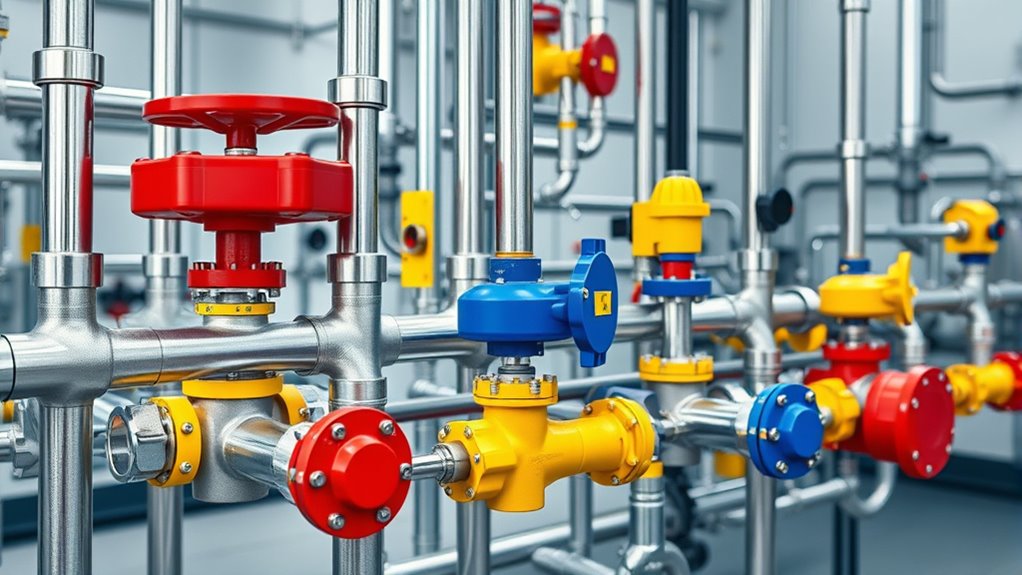
When your valving system isn’t working properly, it’s important to recognize common malfunctions and understand how to diagnose the issues. You might notice leaks, uneven flow, or unresponsive valves, which can point to specific problems. Identifying these signs quickly helps you troubleshoot effectively and get your system back on track. Additionally, understanding AI security vulnerabilities can help in safeguarding control systems against cyber threats that might affect valve operations.
Common System Malfunctions
Valving system malfunctions can disrupt your operations and lead to costly downtime if not addressed promptly. When issues arise, they often cause frustration and slow productivity. Here are common problems to watch for:
- Incorrect valve calibration causes inaccurate flow control, risking process errors.
- Leak detection failures lead to fluid loss, safety hazards, and increased costs.
- Clogged or blocked valves restrict flow, halting production and damaging equipment.
- Valve sticking or sluggish operation hampers responsiveness, compromising system efficiency.
Address these issues quickly to prevent further damage. Regular valve calibration guarantees accurate control, while proactive leak detection keeps your system safe and efficient. Staying vigilant about these malfunctions minimizes downtime and maximizes system reliability.
Diagnosing Valving Problems
Diagnosing valving problems involves systematically identifying the root causes of system issues to restore proper operation. Begin by checking valve calibration to ensure each valve is opening and closing correctly. Miscalibrated valves can cause inconsistent flow or pressure problems. Next, perform leak detection to identify any leaks that may compromise system integrity. Leaks can lead to pressure drops, inefficiencies, and incorrect valve responses. Use appropriate tools like leak detectors or soapy water to locate sources of leaks. If you find problems during calibration or leak detection, address them promptly. Properly calibrated valves and tight seals are essential for ideal system performance. Regular diagnostics help prevent larger malfunctions and keep your valving system running smoothly.
Maintenance Tips for Valving Layouts
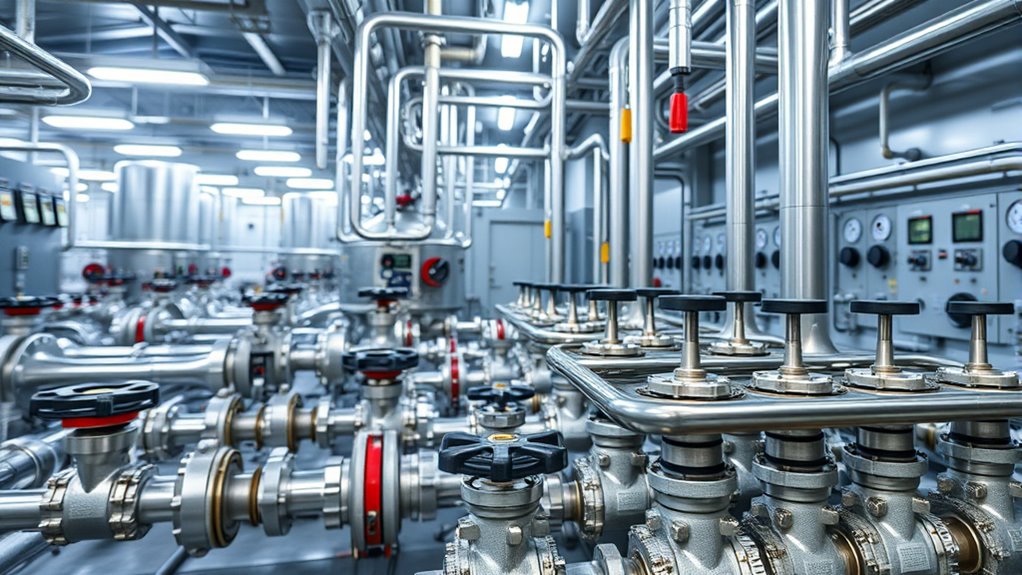
Regular maintenance of your valving layout is essential to guarantee smooth operation and prevent costly downtime. Proper upkeep ensures valve lubrication, reduces wear, and minimizes leak risks. Here are four vital tips:
- Regularly apply valve lubrication to keep moving parts functioning smoothly and prevent sticking.
- Inspect for leaks daily, tightening fittings or replacing seals to avoid fluid loss and contamination.
- Clean valves routinely to remove debris that could cause blockages or hinder operation.
- Test valve responsiveness monthly to catch issues early, ensuring reliable control and avoiding unexpected failures.
Flexibility and Expansion in Valving Design

Designing a valving layout with flexibility and room for expansion allows your system to adapt to changing operational needs. Using diverse valving materials guarantees durability and compatibility with different media. Incorporate a color coding system to quickly identify valve functions and streamline maintenance. Planning for expansion involves leaving space for additional valves or modules without disrupting current flow. This approach minimizes downtime and simplifies future upgrades. Consider modular components that can be easily integrated later. Properly labeled valves with consistent color schemes improve safety and efficiency. Here’s a simple example:
| Valve Type | Material | Color Code |
|---|---|---|
| Shut-off | Stainless Steel | Blue |
| Control | Brass | Green |
| Relief | PVC | Red |
| Isolation | Aluminum | Yellow |
This setup enhances system adaptability.
Safety Considerations in Valving Arrangements
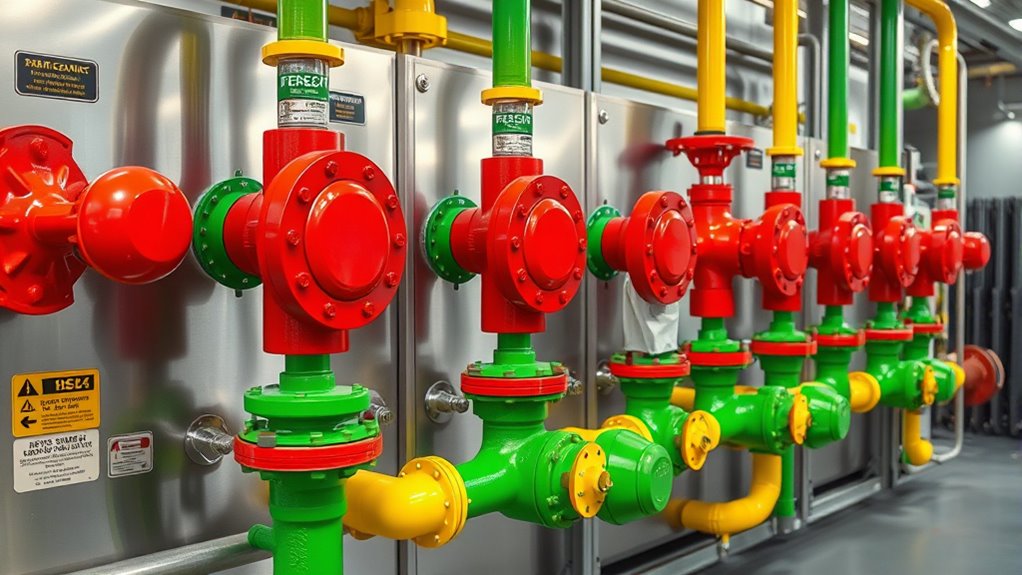
Ensuring safety in valving arrangements is essential to prevent accidents, equipment damage, and process failures. Proper design safeguards your system with critical features like:
- Pressure regulation to avoid over-pressurization that could lead to catastrophic failures.
- Emergency shutoffs that allow immediate isolation during hazardous situations.
- Redundant valves to provide backup in case of failure, ensuring continuous safe operation.
- Clear labeling and access to valves so you can respond swiftly in emergencies.
These measures help protect personnel and equipment, minimizing risk and ensuring reliable operation. Prioritizing safety considerations in your valving layout isn’t just good practice—it’s essential for maintaining a safe, efficient system.
Future Trends in Valving Technology

Advancements in digital control and automation are shaping the future of valving technology, making systems smarter, more responsive, and easier to manage. Automated valves are increasingly integrated into smart systems, enabling real-time adjustments and predictive maintenance. These innovations improve efficiency by reducing manual intervention and minimizing downtime. You’ll see more intelligent sensors and controllers that communicate seamlessly, optimizing flow and pressure automatically. Future trends include wireless connectivity, cloud-based monitoring, and AI-driven diagnostics, allowing you to oversee complex valving layouts remotely. As technology evolves, expect valves to become more adaptable, energy-efficient, and reliable, providing enhanced safety and operational precision. Embracing these trends will help you build more resilient, automated systems that meet the demands of modern industrial and process applications.
Frequently Asked Questions
How Do Valving Layouts Impact Water Pressure Stability?
Your valving layout directly impacts water pressure stability by minimizing pressure fluctuations and enhancing system balancing. Properly designed layouts ensure consistent flow, preventing pressure drops that can cause uneven water distribution. When you use strategic valving, you maintain steady pressure levels across your system, reducing wear and tear. This results in a more reliable, efficient setup that keeps water pressure stable, so you experience fewer disruptions and better overall performance.
Can Custom Valving Layouts Be Integrated Into Existing Systems?
Yes, you can integrate custom valving layouts into existing systems. Your customization flexibility allows you to tailor the setup to your specific needs, ensuring ideal performance. Just make sure to check system compatibility before making changes. By working with a professional or thoroughly reviewing your system’s specifications, you can seamlessly incorporate custom valving layouts without disrupting water flow or pressure stability.
What Are the Cost Considerations for Different Valving Configurations?
Imagine your system as a well-orchestrated symphony; each valving configuration adds a new instrument. Costs vary based on complexity, materials, and installation. You need to do a thorough cost analysis to balance performance and budget planning. Simple setups cost less but may lack flexibility, while advanced layouts demand higher investments. Knowing your needs helps you choose a configuration that delivers ideal results without overspending.
How Do Valving Layouts Influence Energy Efficiency?
Your valving layout directly influences energy efficiency through flow optimization and pressure regulation. When you design your system with well-placed valves, you minimize unnecessary flow resistance, reducing energy consumption. Proper pressure regulation guarantees your pumps don’t work harder than needed, cutting costs and saving power. By focusing on efficient valving layouts, you optimize flow and maintain consistent pressure, which helps your system run smoothly and efficiently.
Are There Eco-Friendly Valving Options Available?
A stitch in time saves nine, and choosing eco-friendly valving options definitely helps. You can opt for valves made from sustainable materials or biodegradable options, reducing environmental impact. These eco-conscious choices not only support sustainability but also align with greener practices. By selecting environmentally friendly valves, you’re contributing to a healthier planet while maintaining efficient system performance. It’s a win-win, proving that small changes can make a big difference.
Conclusion
Understanding valving layouts helps you make informed decisions for your plumbing needs. Did you know that proper valve installation can reduce water waste by up to 30%? By choosing the right configuration and maintaining it well, you guarantee safety, efficiency, and future flexibility. Stay proactive, keep up with trends, and you’ll keep your system running smoothly for years to come. Your knowledge today sets the foundation for reliable, cost-effective plumbing tomorrow.