If you experience low water pressure after installation, it often results from pipe issues like corrosion or blockages, an improperly set pressure regulator, or airlocks trapping air in the system. Faulty fittings or wrong pipe sizes can also restrict flow. To fix it, you might need to inspect pipes, check the regulator, or clear obstructions. Exploring these common causes can help you troubleshoot, and understanding each factor reveals more about solving pressure problems efficiently.

Get home appliances delivered free — and shop member deals
- Fast, free delivery on millions of items
- Access to Prime Big Deal Days deals on October 6–7
- Prime Video, Amazon Music and more included
Key Takeaways
- Low water pressure after installation can result from pipe blockages, corrosion, or improper fixture installation.
- Airlocks and faulty pressure regulators are common causes of pressure drops post-installation.
- Visual inspections of pipes, fittings, and valves help identify obstructions, leaks, or corrosion.
- Measuring flow rate with meters or timers can detect reduced water flow and pinpoint issues.
- Troubleshooting steps include checking pressure regulators, venting airlocks, and consulting professionals if problems persist.
As an affiliate, we earn on qualifying purchases.
Understanding Water Pressure
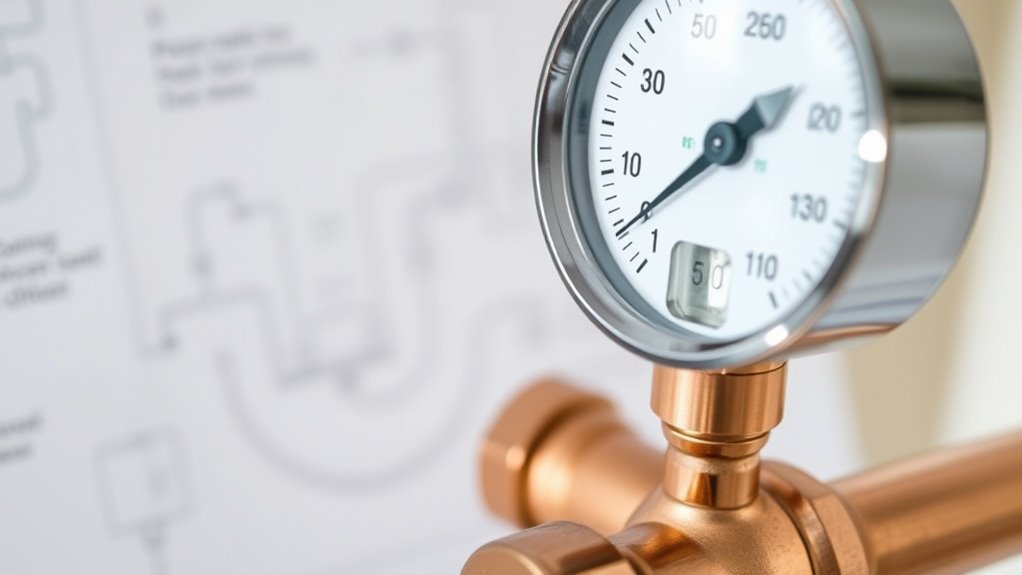
Have you ever noticed your water flow is weaker than usual? That’s often a sign of low water pressure, which affects how well your fixtures work. Water pressure depends on the force pushing water through your pipes and fixtures. Over time, pipe corrosion can narrow or block pipes, reducing flow. Your water heater also plays a role; if it’s not functioning properly, it might not deliver hot water at the right pressure. Low pressure can cause showers to dribble and faucets to sputter. Understanding these basics helps you identify the cause. Check for signs of pipe corrosion or issues with your water heater if you experience persistent low pressure. Recognizing how these components impact flow is key to troubleshooting and resolving the problem. Additionally, regular home maintenance can help prevent issues that lead to low water pressure.
As an affiliate, we earn on qualifying purchases.
Common Causes of Low Water Pressure Post-Installation

After installing new plumbing fixtures or systems, low water pressure can unexpectedly occur. One common cause is pipe corrosion, which can build up inside your pipes over time, narrowing the flow and reducing pressure. If your plumbing runs through older or neglected pipes, corrosion may be blocking water movement. Another factor is issues with the municipal supply, such as fluctuations or maintenance work that temporarily lower water pressure. Sometimes, the municipal system itself might have leaks or pressure drops affecting your service. Additionally, improper installation of fixtures can create restrictions or leaks, further decreasing flow. Identifying whether the problem stems from corroded pipes or municipal issues helps determine the right solution to restore consistent water pressure. Understanding how pressure ratios influence flow can also help diagnose the severity of the issue.
As an affiliate, we earn on qualifying purchases.
Pressure Regulator and Its Role
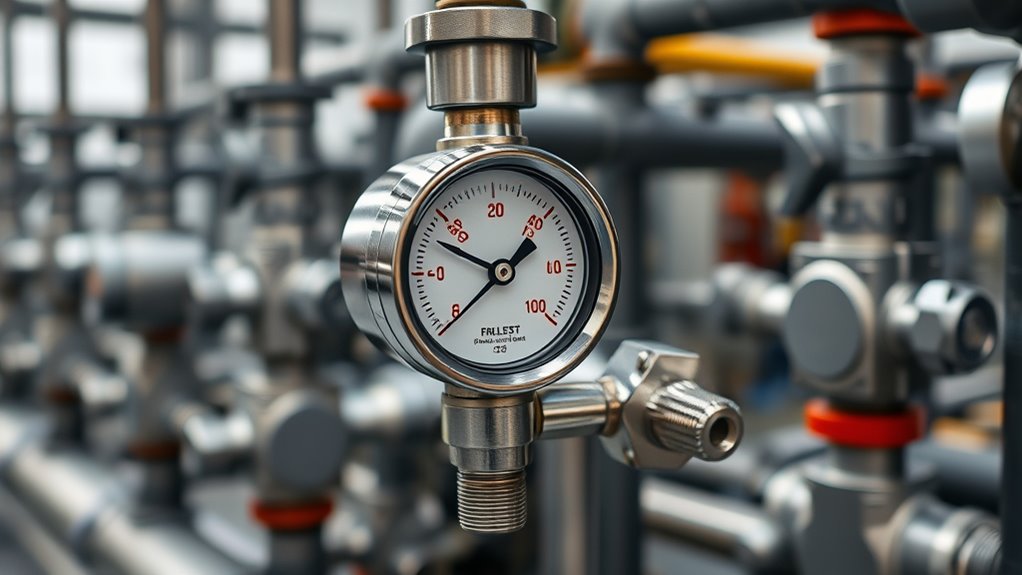
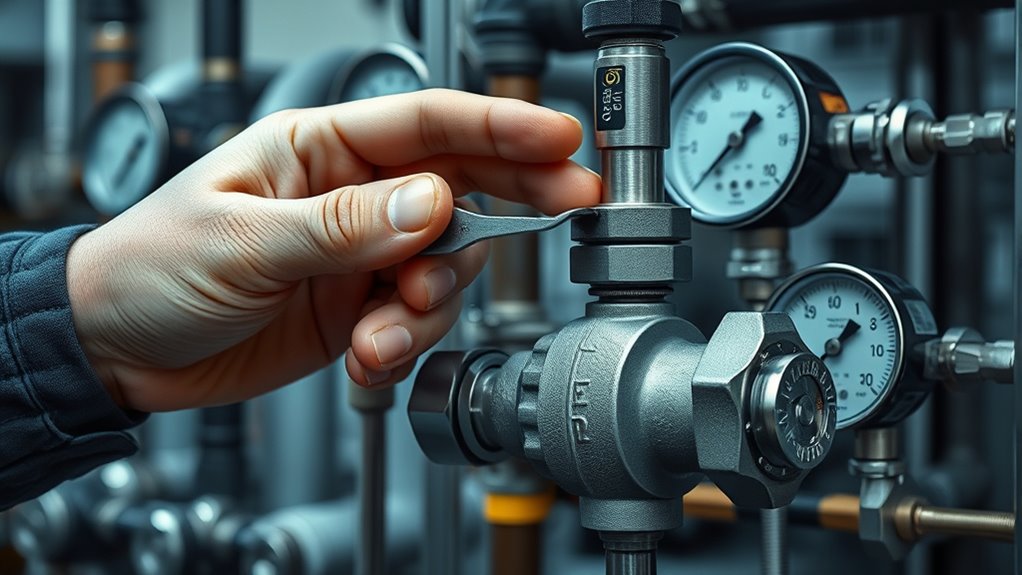
Wondering how your plumbing system maintains consistent water pressure? That’s where the pressure regulator comes in. This device plays a vital role in pressure regulation, ensuring water flows at a steady, safe level. You’ll find it installed on the main water line, acting as a valve that controls incoming pressure from the municipal supply or well. Its primary function is to prevent sudden pressure spikes and drops that can cause low pressure issues or damage your pipes. Understanding valve functionality helps you recognize when the regulator needs adjustment or replacement. When functioning correctly, it maintains ideal water pressure throughout your home, reducing the risk of leaks and other plumbing problems. If you notice persistent low pressure, a faulty regulator might be the culprit. Properly managing pressure levels is essential for maintaining the longevity and efficiency of your plumbing system.
As an affiliate, we earn on qualifying purchases.
The Significance of Pipe Size and Material
The size and material of your pipes directly impact water flow and pressure throughout your plumbing system. Pipe diameter determines how much water can pass through at a given time; smaller diameters restrict flow and cause pressure drops. Conversely, larger diameters allow for smoother flow and better pressure. The pipe material also plays a vital role: copper, PVC, and PEX each have different internal friction levels, affecting water velocity and pressure loss. For instance, rigid materials like copper tend to maintain pressure better over long distances, while flexible plastics may experience more pressure drop due to internal surface roughness. Choosing the right pipe size and material ensures your plumbing system operates efficiently, preventing low pressure issues and maintaining consistent water flow throughout your home. Additionally, understanding the impact of pipe material and size on pressure can help optimize your system’s performance and reduce the risk of low pressure problems.
Water Flow Rate and How It’s Measured
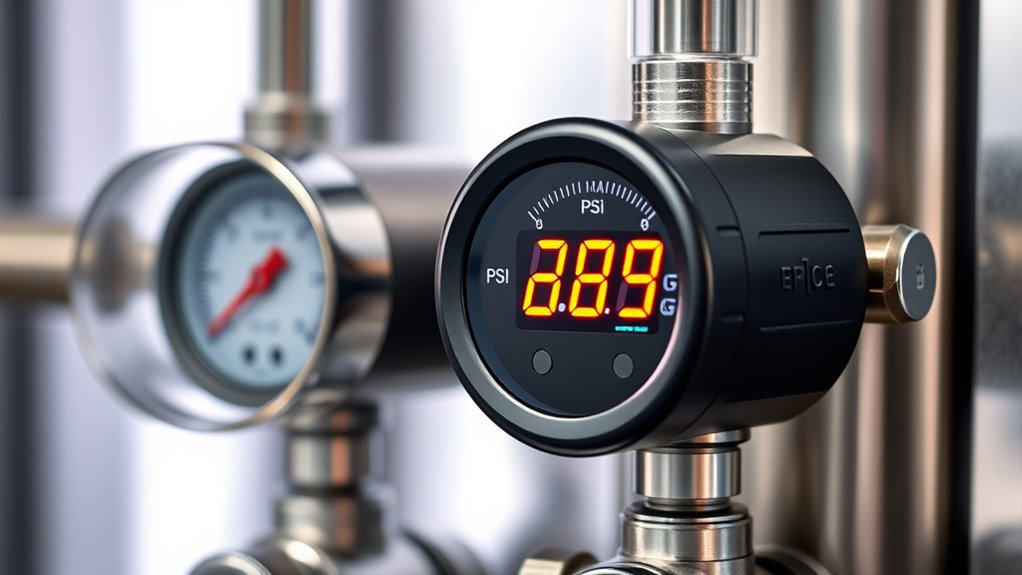
Understanding your water flow rate helps identify if your system is working properly. You’ll learn how flow is measured and what factors can impact it. By interpreting these measurements, you can better troubleshoot low pressure issues after installation. Additionally, juice recipes and mixes can sometimes be used to clean or maintain certain components of water systems, indirectly influencing flow.
Measuring Water Flow Rate
How do you measure water flow rate accurately? First, you’ll need a flow meter or a stopwatch and a container. Turn on the water and let it run into the container for a set time, then measure the volume collected. Divide the volume by the time to get gallons per minute (GPM). This method helps you understand your water use, promoting water conservation. To improve flow, consider insulating pipes; pipe insulation reduces heat loss and maintains consistent flow rates. When measuring, ensure there are no leaks or obstructions, as these can skew results. Regularly monitoring your flow rate helps identify issues early, saving water and reducing pressure problems. Precise measurement is essential for optimizing system performance and ensuring efficient water use. Incorporating data-driven strategies can further enhance your ability to monitor and manage water flow effectively.
Factors Affecting Flow Rate
What factors influence your water flow rate, and how can you measure it accurately? Several elements play a role, including pipe material and installation height. Pipe material affects flow because different materials have varying internal diameters and surface roughness, which can slow or speed water movement. For example, metal pipes often have smoother surfaces than certain plastics, impacting flow efficiency. Installation height is also essential; the higher your pipes are installed, the more gravity influences flow, especially in gravity-fed systems. To measure flow rate accurately, you need to account for these factors, ensuring your measurement tools are appropriate for your pipe material and setup. Understanding these influences helps you troubleshoot low pressure issues and optimize your water system effectively. Additionally, considering the anti-aging benefits of certain pipe materials can influence your choice for long-term performance.
Interpreting Flow Measurements
Measuring water flow rate accurately is essential for diagnosing pressure issues and optimizing your system. To interpret flow measurements correctly, focus on flow velocity and flow consistency. Variations in flow velocity can indicate blockages or leaks, while inconsistent flow suggests problems with pressure regulation. Additionally, understanding the flow measurement techniques used can help ensure accurate readings and reliable diagnostics.
- Understand how flow velocity relates to pipe size and system demand
- Recognize the significance of steady flow for system efficiency
- Use flow meters to track changes over time, identifying trends
- Compare measurements to manufacturer specifications to pinpoint issues
Identifying Blockages and Obstructions

To address low pressure, start by checking for common blockage sources like debris or buildup. Use visual inspection techniques to spot obstructions in pipes or fittings. Once identified, clear the obstructions safely to restore proper flow. Additionally, inspecting the chimney and flue system regularly can prevent creosote buildup that might contribute to pressure issues.
Common Blockage Sources
Blockages and obstructions are common causes of low pressure after installation, and identifying them quickly can save you time and effort. Often, corrosion issues can cause buildup inside pipes, narrowing flow paths and reducing pressure. Pipe joint leaks may introduce debris or allow air to enter, further obstructing flow. Other sources include mineral deposits that accumulate over time, especially in hard water areas, and foreign objects accidentally introduced during installation. Recognizing these problems early helps prevent more serious damage and guarantees your system functions efficiently. Be mindful of signs like inconsistent pressure drops or unusual noises, which can hint at underlying blockages. Regular maintenance and inspections are key to avoiding these common issues and maintaining ideal pressure in your system. Additionally, understanding the Kia Tuning options available can help optimize system performance and prevent potential pressure issues.
Visual Inspection Techniques
Have you ever wondered how to quickly spot obstructions in your plumbing system? Start with a visual inspection. Look for signs of pipe corrosion, which can cause narrowing and reduce flow. Check for discoloration, rust, or mineral buildup along exposed pipes. Focus on valves—malfunctions here often cause pressure drops. Ensure valves are fully open and not leaking or stuck. Examine fittings and joints for leaks or cracks that might block flow. Use a flashlight to peer inside accessible pipes for debris or buildup. Pay close attention to areas where obstructions are common, such as bends or elbows. By carefully inspecting these components, you can identify potential blockages or damage that contribute to low pressure without causing damage yourself.
Clearing Obstructions Safely
When you’ve identified potential obstructions during a visual inspection, the next step is to clear them safely. Blockages from pipe corrosion or sediment buildup can restrict flow and cause low pressure. To avoid damage, don’t force tools into the pipe. Instead, consider these precautions:
- Use a plumbing snake or auger carefully to dislodge debris.
- Wear protective gear to prevent injury from rust or sharp edges.
- Flush the pipe with water or a safe cleaning solution to loosen buildup.
- Inspect the pipe afterward for signs of corrosion or remaining obstructions.
Always remember, rushing or applying excessive force can worsen pipe corrosion or push debris further inside. Clearing obstructions correctly ensures your system remains functional and prevents future blockages.
The Impact of Airlocks in Plumbing Systems
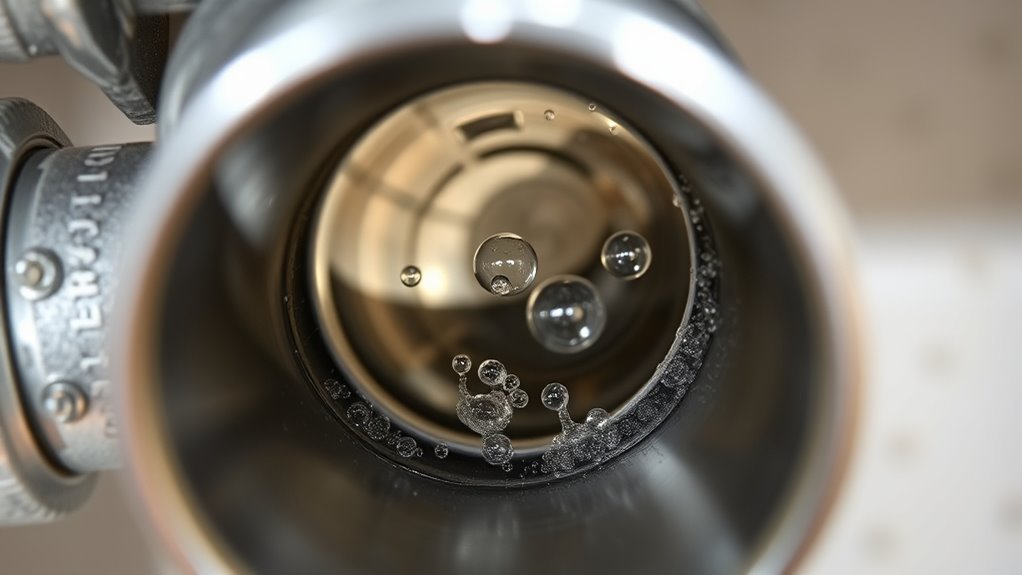
Airlocks in plumbing systems occur when pockets of air become trapped within pipes, disrupting the normal flow of water. This airlock formation can cause reduced water pressure, uneven flow, or complete stoppages. When air gets trapped, it prevents water from moving smoothly through the system. Pipe venting is essential to prevent this issue; proper venting allows air to escape and equalize pressure. If venting isn’t adequate, air can accumulate, creating an airlock. You might notice a sudden drop in water pressure or inconsistent flow in fixtures. Addressing airlocks quickly restores proper water movement. Ensuring your plumbing system is correctly vented helps prevent future airlock formation and keeps water flowing freely. Proper pipe venting is a simple yet crucial step in maintaining peak plumbing performance.
Troubleshooting Tools and Techniques
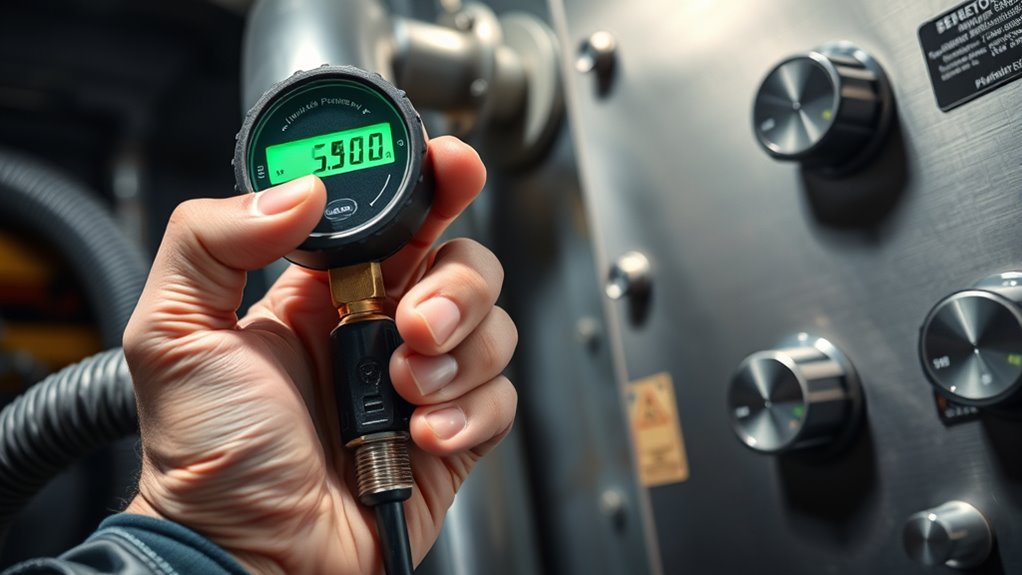
To effectively troubleshoot low pressure caused by airlocks or other plumbing issues, you need the right tools and techniques. Start with a pressure gauge to identify pressure drops and inspect for pipe corrosion or mineral buildup, which can restrict flow. Use a pump tester to check for pump malfunctions that may impair pressure. A drain wrench helps release trapped air, while a mirror and flashlight assist in visual inspections of corrosion or damage inside pipes.
- Pressure gauge: measures system pressure to pinpoint issues
- Pump tester: assesses pump functionality and performance
- Drain wrench: releases airlocks and trapped air
- Visual inspection tools: identify pipe corrosion or blockages
When to Seek Professional Assistance

Sometimes, despite your best efforts, plumbing issues like persistent low pressure require professional expertise. If you notice ongoing low water pressure after installation, it might be due to pipe corrosion or a faulty water heater. These issues can be complex to diagnose and fix on your own. If cleaning aerators or adjusting pressure settings doesn’t improve flow, it’s time to call a plumber. They can inspect for pipe corrosion that’s restricting water flow or evaluate your water heater for sediment buildup or malfunctions. Ignoring these signs can lead to further damage and costly repairs. Seeking professional help ensures the problem is properly diagnosed and resolved, restoring ideal water pressure and preventing future plumbing failures.
Frequently Asked Questions
Can Low Water Pressure Cause Damage to My Plumbing System?
Low water pressure can lead to plumbing issues like pipe corrosion and valve malfunctions over time. When pressure drops, your pipes might not get enough water flow, causing buildup and corrosion, which weakens them. Valve malfunctions may occur if pressure fluctuations happen frequently, leading to leaks or damage. To prevent these problems, it is crucial to address low water pressure promptly, ensuring your plumbing system stays healthy and functional.
How Does Temperature Affect Water Pressure After Installation?
Think of your plumbing as a delicate dance where temperature fluctuations lead to pipe expansion and contraction. When water heats up, pipes expand, potentially reducing pressure by creating tiny restrictions or leaks. Conversely, cold temperatures cause pipes to contract, which might temporarily boost pressure. These natural movements can cause inconsistent water pressure after installation, so monitoring temperature changes helps you maintain steady flow and prevents undue stress on your system.
Are There Specific Regulations for Water Pressure Levels in New Installations?
Yes, there are specific regulations for water pressure levels in new installations. You need to follow pressure standards set by local codes and guarantee your system complies with regulation standards. These standards aim to prevent damage and ensure safe operation. Always check with your local authorities or a licensed plumber to confirm your installation meets regulation compliance, avoiding potential fines or issues with your water system.
Can Water Pressure Issues Be Seasonal or Weather-Dependent?
Yes, water pressure issues can definitely depend on the season. Seasonal fluctuations and weather impacts can cause pressure problems, especially during cold snaps or heavy rain. You might notice lower pressure during winter due to freezing pipes or increased demand during hot summer months. Changes in temperature and weather conditions often influence your water system’s performance, making it worth checking your pressure regularly and considering weather-related factors.
What Maintenance Practices Can Prevent Low Pressure Problems Long-Term?
To prevent low pressure problems long-term, regularly check your system with pressure gauges to catch issues early. Insulating your pipes helps maintain consistent water temperature and pressure, especially in cold weather. Schedule annual maintenance to inspect for leaks, corrosion, or blockages, and ensure fittings are secure. Proper upkeep keeps your system running smoothly, reducing the chances of pressure drops and extending the lifespan of your plumbing.
Conclusion
If your water pressure drops after installation, don’t assume it’s just a coincidence. Sometimes, a simple airlock or blockage can cause significant issues, and addressing these quickly can save you time and money. Believe it or not, your plumbing system might be more sensitive than you think. Trust your instincts—investigate the cause, and you might just discover that fixing it isn’t as intimidating as it seems. Your home’s comfort depends on it.
Fall Picks
fall essentials
As an affiliate, we earn on qualifying purchases.