Filter pressure drop often sneaks up on you because it increases gradually without obvious signs, leading to unnoticed declines in system performance. As filters clog, airflow and liquid flow slow down, making equipment work harder and consuming more energy. Over time, this small resistance can cause costly issues like frequent filter replacements or equipment failure. Staying alert to subtle clues like decreased airflow or rising energy bills can help you catch these changes early. If you want to discover how to keep this hidden issue in check, keep exploring.

Get home appliances delivered free — and shop member deals
- Fast, free delivery on millions of items
- Access to Prime Big Deal Days deals on October 6–7
- Prime Video, Amazon Music and more included
Key Takeaways
- Small increases in pressure drop can significantly reduce system efficiency over time.
- Clogged filters cause hidden performance issues, often unnoticed until costly failures occur.
- Rising pressure drops lead to higher energy consumption and operational costs.
- Regular monitoring helps detect subtle pressure changes before they impact equipment lifespan.
- Proper filter selection and maintenance prevent unexpected airflow restrictions and system downtime.
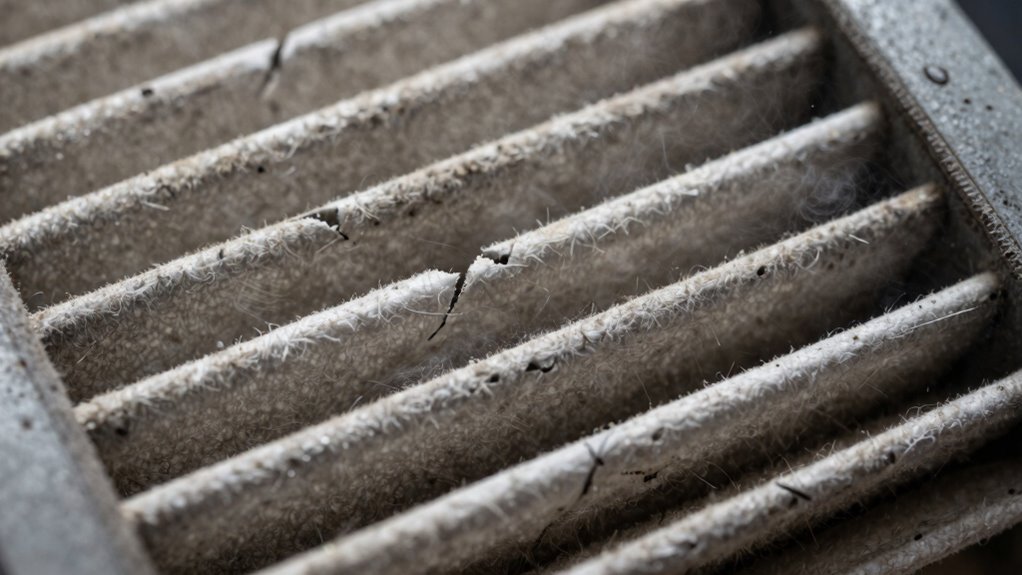
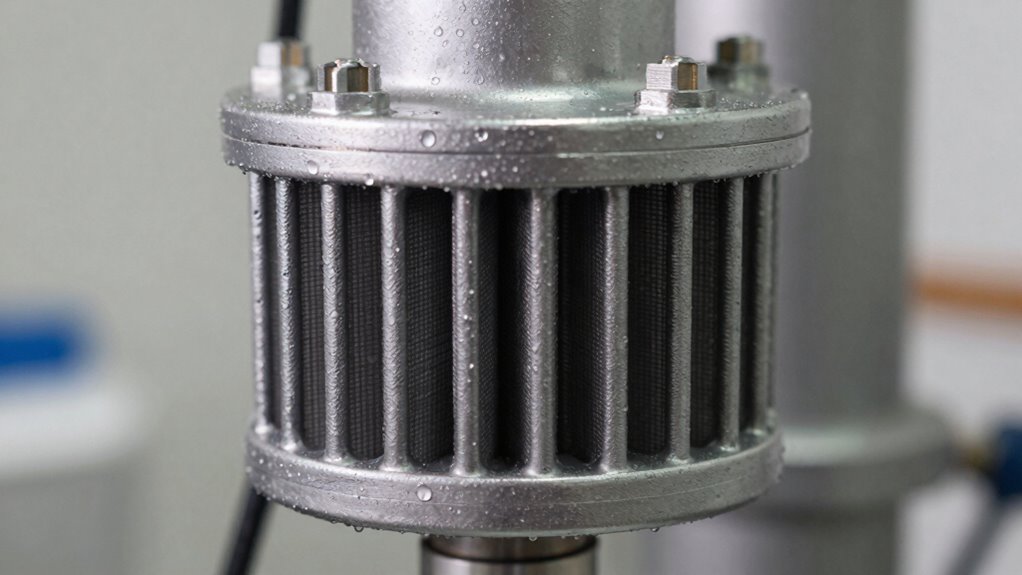
Have you ever wondered how filters impact the flow of air or liquids through a system? It’s not just about trapping dirt or debris; it’s about how the filter influences overall system performance. One of the most sneaky factors at play is pressure drop, which occurs when the filter resists the flow, causing pressure to decrease across it. This resistance directly impacts airflow efficiency, meaning your system has to work harder to move air or liquids through the filter. Over time, as the filter becomes clogged, this pressure drop increases, and your equipment may struggle to maintain its performance. That’s why understanding pressure drop isn’t just a technical detail—it’s essential to keeping your system running smoothly and efficiently.
Filters affect system performance by causing pressure drops that increase over time, requiring more effort and energy to maintain airflow.
In practical terms, a higher pressure drop means your fans or pumps need to exert more effort, which raises energy consumption and operational costs. If you ignore how pressure drop evolves, you might find yourself replacing filters more frequently or experiencing unexpected equipment failures. The sneaky part is that a rise in pressure drop isn’t always immediately obvious. You might notice a slight decrease in airflow or a small uptick in energy bills, but these signs can be subtle. This is why regular monitoring and maintenance considerations are critical. By checking pressure differentials periodically, you can catch increases early, preventing costly downtime and ensuring your system maintains ideal airflow efficiency. Implementing system component considerations can further help in controlling pressure drops and optimizing overall system health. Additionally, understanding the properties of filtration media can aid in selecting filters that balance filtration efficiency with airflow needs, ultimately supporting your system’s longevity.
Furthermore, the importance of maintenance considerations can’t be overstated. A clean, properly maintained filter ensures minimal pressure drop, which in turn minimizes strain on your system and reduces energy costs. Conversely, neglecting maintenance allows debris to accumulate, causing a sharp rise in pressure drop and risking system overload. This buildup isn’t just limited to dirt; filter material degradation can also contribute to increased resistance. Regular inspections, timely replacements, and choosing the right filter type help manage pressure drops effectively. Additionally, understanding the properties of filtration media can aid in selecting filters that balance filtration efficiency with airflow needs, ultimately supporting your system’s longevity. A well-designed system that considers pressure drop can significantly improve energy efficiency and reduce operational costs over its lifespan.
In essence, pressure drop is a subtle but impactful factor that influences the overall health of your system. It’s easy to overlook, but once you understand how it affects airflow efficiency and maintenance considerations, you realize how key it is to keep a close eye on it. When managed properly, you’ll save energy, extend equipment lifespan, and avoid unexpected disruptions. So, next time you evaluate your filtration system, remember that a modest pressure drop can have big consequences—stay vigilant, monitor regularly, and keep your system running at its best.
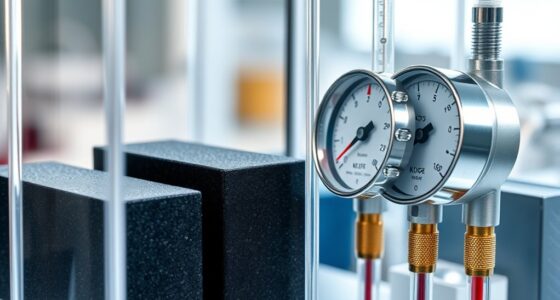
air filter pressure differential gauge
As an affiliate, we earn on qualifying purchases.
As an affiliate, we earn on qualifying purchases.
Frequently Asked Questions
How Does Filter Material Affect Pressure Drop?
You might think filter material doesn’t matter, but it directly impacts pressure drop. Thicker or denser filter material increases pressure resistance, making it harder for air to pass through. Conversely, lighter materials lower pressure drop but might compromise filtration quality. So, don’t be fooled—choosing the right filter material balances effective filtration with manageable pressure resistance, preventing sneaky, costly airflow issues that could catch you off guard.
Can Temperature Impact Filter Pressure Drop?
Temperature effects can considerably impact filter pressure drop. As temperature rises, materials expand, which may cause the filter to become denser, increasing resistance and pressure drop. Conversely, lower temperatures can make filters more brittle, potentially leading to clogging or damage, which also raises pressure. You should monitor temperature changes closely, as they influence filter clogging and overall efficiency, making regular maintenance essential to prevent unexpected pressure drops.
What’s the Ideal Pressure Drop for Different Systems?
Like a trusty steed from days of yore, the ideal pressure drop varies by system. You want it low enough to maintain filter efficiency but not so low that airflow suffers. For HVAC, aim for 1-3 inches of water column; for industrial systems, 4-6 inches. Always consider system compatibility to prevent strain. Regularly check pressure drops to keep filters working effectively and guarantee your system runs smoothly.
How Often Should Filter Pressure Be Monitored?
You should monitor filter pressure regularly, ideally every month, to catch any issues early. Consistent pressure monitoring helps identify when filter maintenance is needed before airflow drops or equipment efficiency declines. If your system handles large volumes or operates in dusty environments, check pressure more frequently. Staying on top of pressure monitoring ensures filters work effectively, prolongs their lifespan, and maintains system performance, saving you time and money in the long run.
Does Filter Pressure Drop Vary With Airflow Rate?
Yes, filter pressure drop varies with airflow rate. When airflow increases, it causes more airflow resistance, which can lead to quicker filter clogging. As the filter gets dirtier, pressure drop rises, impeding airflow and reducing efficiency. You should monitor pressure regularly, especially during high airflow conditions, to prevent problems. Keeping an eye on pressure changes helps you catch clogging early and maintain peak system performance.
HVAC system filter pressure monitor
As an affiliate, we earn on qualifying purchases.
As an affiliate, we earn on qualifying purchases.
Conclusion
Remember that filter pressure drop is like a hidden leak in your boat—it might seem small at first, but over time, it can sink your system’s efficiency. I once watched a technician overlook a minor pressure increase, only to find the filter was clogged and causing major airflow issues. Keep an eye on those numbers; even the sneakiest pressure drops can cause big problems if ignored. Stay vigilant, and your system will thank you.
liquid filtration pressure sensor
As an affiliate, we earn on qualifying purchases.
As an affiliate, we earn on qualifying purchases.
industrial air filter replacement
As an affiliate, we earn on qualifying purchases.
As an affiliate, we earn on qualifying purchases.
NFL season / tailgating Picks
team gear
As an affiliate, we earn on qualifying purchases.