
For household water needs, well water typically requires at least 5 gallons per minute (GPM), with larger or high-demand homes needing 10 GPM or more to guarantee reliable flow. Municipal systems usually provide consistent pressure and higher capacity, often exceeding household needs, and handle peaks more effectively. If you want to know how these systems compare for your home and daily use, there’s more to take into account about flow and pressure requirements.

Get home appliances delivered free — and shop member deals
- Fast, free delivery on millions of items
- Access to Prime Big Deal Days deals on October 6–7
- Prime Video, Amazon Music and more included
Key Takeaways
- Typical household water needs range from 5 GPM for basic use to 10 GPM or more for larger families.
- Well systems often require a minimum of 5 GPM, with higher flow rates needed for increased household demand.
- Municipal water systems generally provide consistent flow rates, often exceeding 10 GPM, with pressures between 40-80 psi.
- Well capacity can limit water supply during peak usage unless upgraded with larger pumps or pressure tanks.
- Municipal systems are less affected by household demand peaks and usually ensure reliable water flow without capacity issues.
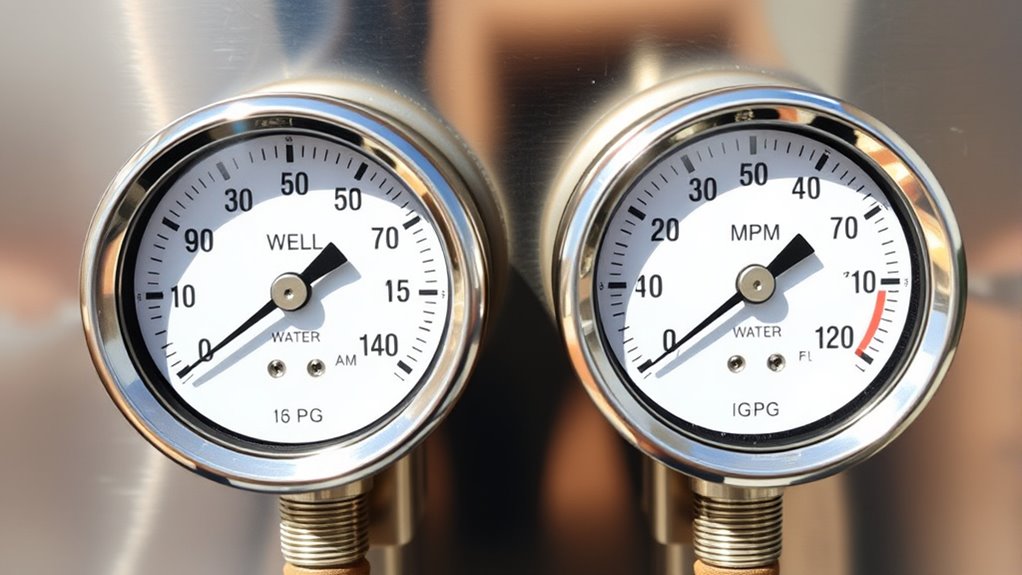
Have you ever wondered how water flow requirements differ between homes with well water and those connected to municipal supplies? The answer lies in understanding well capacity and water pressure, which directly influence how much water your home can use comfortably. When you rely on a private well, your well capacity — or the amount of water your well can produce per minute — becomes a vital factor. If the well isn’t capable of delivering enough water, you might face shortages during peak usage times, like mornings or evenings when everyone’s showering, doing laundry, or running the dishwasher. Well capacity varies widely depending on the aquifer’s size and the well’s construction, but most homes need a flow rate of at least 5 gallons per minute (GPM) for basic needs. Larger households or those with high water demands might require 10 GPM or more to avoid inconveniences.
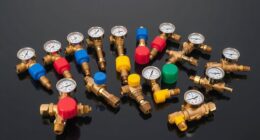
Water pressure plays an important role here as well. If your well pump doesn’t generate sufficient pressure, even a high well capacity won’t guarantee that water reaches your fixtures effectively. Low water pressure can cause weak shower streams, slow-fill sinks, and inconsistent flow during peak usage. For well water homes, maintaining the right pressure often involves booster pumps or pressure tanks, which help regulate flow and ensure that water reaches fixtures with adequate force. On the other hand, homes connected to municipal water supplies typically enjoy more consistent water pressure because the water is delivered through a pressurized network maintained by the city or municipality. These systems are designed to keep a standard pressure—usually between 40 and 80 psi—so your water flow remains steady regardless of peak demands. Municipal water systems are engineered to handle large volumes, reducing the likelihood of flow issues during high demand.
However, even with municipal water, there are limits. During times of high demand or maintenance, pressure can drop, affecting your water flow. But generally, municipal systems are engineered to handle large volumes of water, so your GPM needs aren’t as constrained by the system’s capacity as they are with well water. When considering your household water needs, understanding your well’s capacity and ensuring your pump and pressure system are appropriately rated is vital. If your well can’t supply enough GPM, or if your water pressure drops dramatically, you might need to upgrade your well pump, add a pressure tank, or consider other solutions. Conversely, if you’re on municipal water, you’re less likely to face capacity issues, but it’s still wise to know your typical water pressure and flow to troubleshoot any problems efficiently. Ultimately, knowing these factors helps you plan for reliable, consistent water flow tailored to your household’s needs.
well water pressure booster pump
As an affiliate, we earn on qualifying purchases.
As an affiliate, we earn on qualifying purchases.
Frequently Asked Questions
How Does Water Pressure Affect Household Appliance Performance?
Water pressure directly impacts your household appliance performance by influencing water flow. If pressure is too low, appliances like dishwashers and washing machines may not operate efficiently, while high pressure can cause leaks or damage. Proper pipe sizing ensures consistent pressure, and water filtration helps maintain appliance longevity by preventing clogs and buildup. Regularly checking pressure levels keeps your appliances running smoothly and prevents costly repairs.
Can GPM Requirements Change With Household Size?
Your water flow needs can skyrocket with household size! As your family grows, so do your household needs, making GPM requirements markedly more demanding. Larger households require higher GPM to keep everyone’s appliances running smoothly, from showers to dishwashers. So yes, GPM requirements definitely change with household size, because more people mean more water demand, and you need enough flow to keep everything functioning flawlessly.
What Are the Long-Term Costs of Upgrading Water Systems?
Upgrading your water system can lead to higher long-term costs due to improved water quality and increased system maintenance. You’ll likely spend more on initial installation, but it can reduce repairs and health risks over time. Regular maintenance keeps your system running efficiently, preventing costly breakdowns and ensuring safe, clean water. While costs are upfront, investing now can save you money and hassle down the line.
How Do Seasonal Changes Impact Water Flow Rates?
Seasonal fluctuations considerably impact water flow rates, causing variability in your system’s performance. During dry seasons or winter, water flow variability may decrease due to lower groundwater levels or frozen pipes, leading to reduced GPM. Conversely, spring and summer often bring increased flow rates thanks to melting snow and rain. Staying aware of these patterns helps you anticipate changes and plan system maintenance or upgrades accordingly to guarantee consistent water supply year-round.
Are There Safety Concerns Related to High GPM Levels?
High GPM levels can raise safety concerns because they may jeopardize water quality and system safety. When flow rates are too high, sediments or contaminants might bypass filtration, leading to potential health risks. Additionally, excessive flow can strain plumbing systems, increasing the chance of leaks or damage. Always monitor GPM levels to ensure your water remains safe and your system functions properly, especially during seasonal changes that affect flow rates.
As an affiliate, we earn on qualifying purchases.
Conclusion
While well water often requires higher GPM to meet your household needs, many worry about inconsistent flow. However, by properly sizing your pump and maintaining your system, you can guarantee steady, reliable water pressure. Don’t let concerns about variability hold you back—proper planning and regular upkeep make well water a dependable choice. With the right setup, you’ll enjoy consistent flow just like municipal systems, all while maintaining control over your water source.
municipal water pressure regulator
As an affiliate, we earn on qualifying purchases.
As an affiliate, we earn on qualifying purchases.
As an affiliate, we earn on qualifying purchases.
NFL season / tailgating Picks
team gear
As an affiliate, we earn on qualifying purchases.