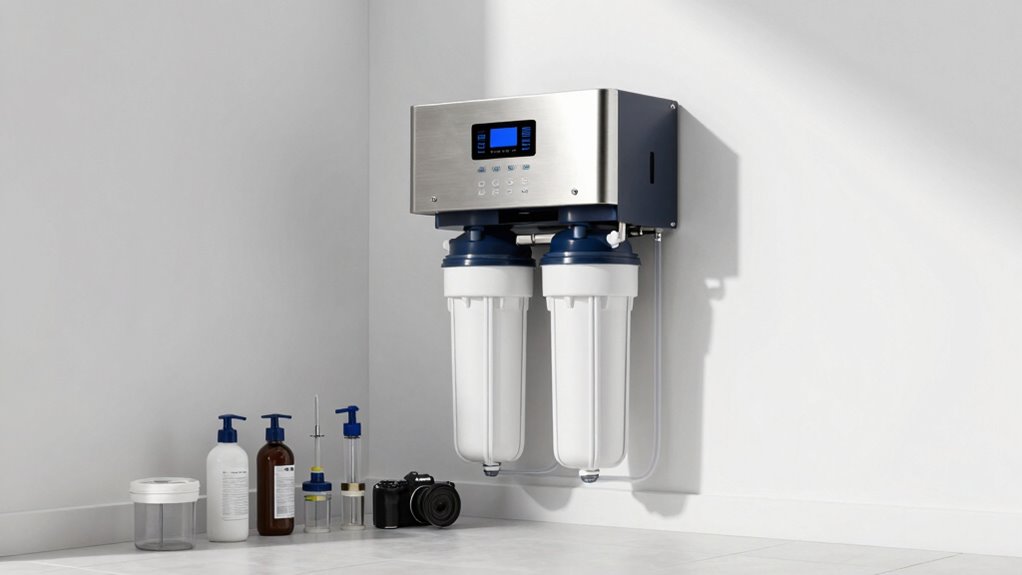

The best spot to install a whole-house water treatment system is immediately after the main water line enters your home, close to the main shutoff valve. This position ensures all household water passes through the system, making testing and maintenance easier. It also allows for quick shutoff during repairs and keeps the treatment effective. To find out more about ideal placement and setup options, keep exploring the details below.

Get home appliances delivered free with Prime
- Fast, free delivery on millions of items
- Prime Video, Amazon Music and more included
- Member-only deals all year
Key Takeaways
- Install immediately after the main water line enters the property for comprehensive treatment.
- Position near the main shutoff valve for easy maintenance and quick system shutoff.
- Choose a dry, well-ventilated space like a basement or utility room to protect the equipment.
- Ensure the location allows straightforward water testing and sampling for optimal system performance.
- Place where routine maintenance, repairs, and future upgrades are accessible and minimally disruptive.
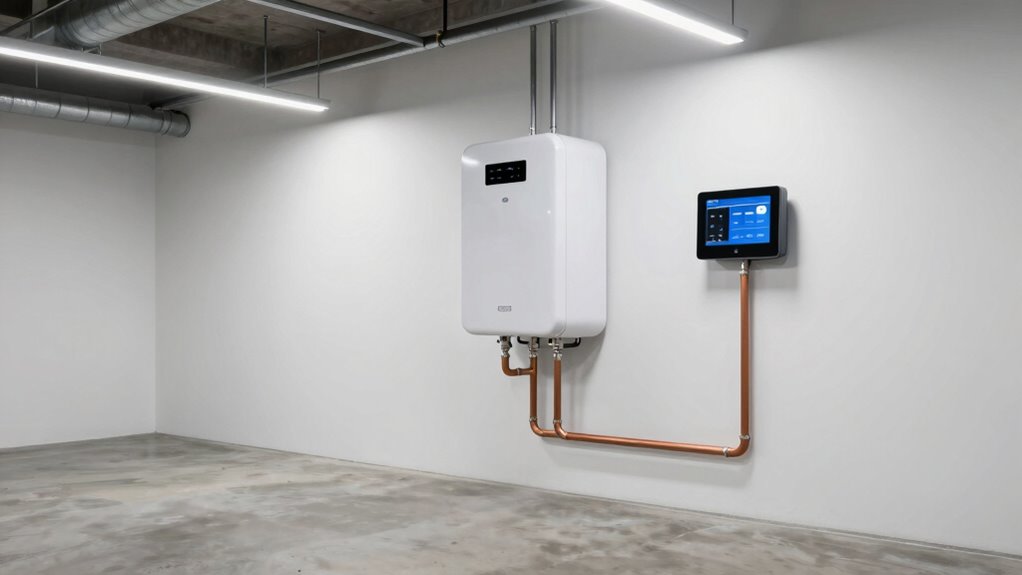
When installing a whole-house treatment system, you take a critical step toward ensuring clean, safe water for your entire home. The key to making this investment worthwhile lies in choosing the right spot for installation. You want a location that allows easy access for system maintenance, efficient water flow, and accurate water testing. The best place is usually near your main water line, right after the point where water enters your property. This setup ensures that all water, whether for drinking, bathing, or laundry, passes through the treatment system before reaching your fixtures.
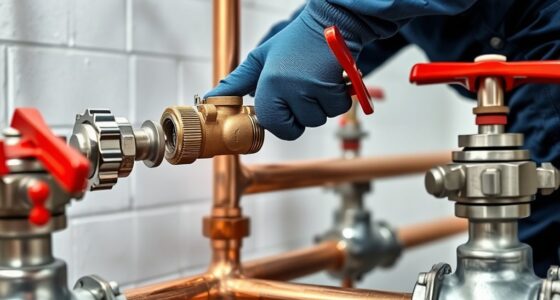
Positioning the system close to the main shutoff valve makes it convenient to perform maintenance or shut off water quickly if needed. It also simplifies water testing, as you can draw samples directly from the treated line without needing to access multiple points in your plumbing. Keep in mind that the chosen location should be dry, well-ventilated, and free from excessive heat or freezing temperatures, which could damage the equipment. Installing the system in a dedicated utility room or basement often works best because these spaces typically meet these criteria and provide ample space for future upgrades or repairs.
Install near the main shutoff for easy maintenance and accurate water testing in a dry, ventilated space like a basement or utility room.
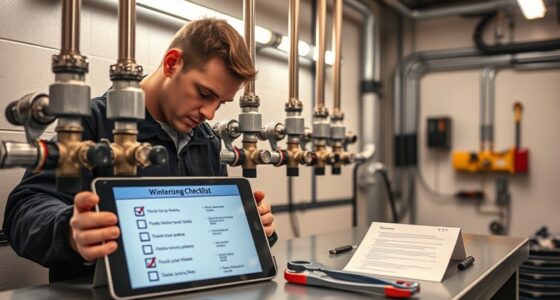
It’s important to consider your home’s plumbing layout when deciding where to install the treatment system. If your water line runs through a crawl space or a less accessible area, you might need additional piping or fittings to reach the ideal spot. Before proceeding, conducting water testing is essential to understand your water’s specific contaminants and quality issues. Knowing what’s in your water helps you select the right type of treatment system and ensures it’s installed where it can do the most good. Proper placement also involves understanding the water flow dynamics within your plumbing system to optimize treatment efficiency. After installation, routine system maintenance becomes essential. Regularly replacing filters, checking for leaks, and monitoring water quality will keep your system functioning efficiently and extend its lifespan.
Choosing the right spot for your whole-house treatment system also means considering future needs. If you expect changes in your water quality or anticipate adding appliances that require high water quality, plan ahead for easy access and upgrades. Proper placement minimizes the risk of contamination and maximizes the system’s effectiveness, giving you peace of mind knowing your water is safe everywhere in your home. Overall, by carefully selecting the installation point—preferably near the main water line, in a suitable location, and with easy access—you set yourself up for hassle-free maintenance, accurate water testing, and ideal water quality for years to come.
whole house water treatment system
As an affiliate, we earn on qualifying purchases.
As an affiliate, we earn on qualifying purchases.
Frequently Asked Questions
Can I Install a Whole-House Treatment Myself?
Yes, you can do a DIY installation of a whole-house treatment, but it depends on your plumbing skills and comfort level. You’ll want to follow instructions carefully to avoid leaks or improper setup. Consider cost considerations, as DIY can save money on labor but may require purchasing tools or parts. If you’re unsure, hiring a professional might be safer and more efficient, especially for complex systems.
How Often Should I Maintain the System?
Think of your system like a garden that needs regular tending. You should perform the maintenance schedule every 6 to 12 months, depending on your water usage and water quality. Regular upkeep guarantees your whole-house treatment works efficiently, extending the system lifespan. Don’t wait for problems to sprout—staying proactive keeps your water clean and your system running smoothly for years to come.
What Are Signs My System Needs Replacing?
You’ll need to replace your system when it reaches its average lifespan, typically around 10-15 years, or if you notice signs like persistent odors, reduced water flow, or frequent repairs. Replacement indicators also include declining water quality or higher energy bills. If these issues persist despite maintenance, it’s time to take into account a new system to ensure effective treatment and avoid costly breakdowns.
Does Installation Affect My Water Pressure?
Think of your water pressure as the pulse of your home’s water system. Proper installation can influence this pulse, either maintaining a steady flow or causing dips. If installed correctly, it minimizes the impact on water pressure, ensuring smooth, consistent flow. Poor installation, however, might create bottlenecks or reduce pressure. So, choosing a skilled professional for installation helps keep your water pressure steady and your home running smoothly.
Is Professional Installation Necessary for Best Results?
You don’t need professional installation for the best results, but a DIY approach can work if you have plumbing experience. However, a professional assessment guarantees proper setup, ideal performance, and avoids potential issues. They know exactly where to install the system for maximum effectiveness and can handle complex connections. Investing in professional help guarantees your whole-house treatment functions efficiently, giving you peace of mind and better water quality.
As an affiliate, we earn on qualifying purchases.
Conclusion
To truly tackle tough tastes and troublesome toxins, target the tender spot—typically near the main water line. Placing your purifier precisely prevents problems before they begin, providing pure, pristine water for all. Proper placement promotes protection, patience, and perfection, making your home healthier and happier. Remember, the right spot is small but significant—serving as the steadfast, strategic stand for spotless, sparkling water. Start smart, choose wisely, and enjoy the entire house’s wholesome water wonders.
whole house water filter installation kit
As an affiliate, we earn on qualifying purchases.
As an affiliate, we earn on qualifying purchases.
water treatment system for basement
As an affiliate, we earn on qualifying purchases.
As an affiliate, we earn on qualifying purchases.
Halloween Picks
halloween
As an affiliate, we earn on qualifying purchases.