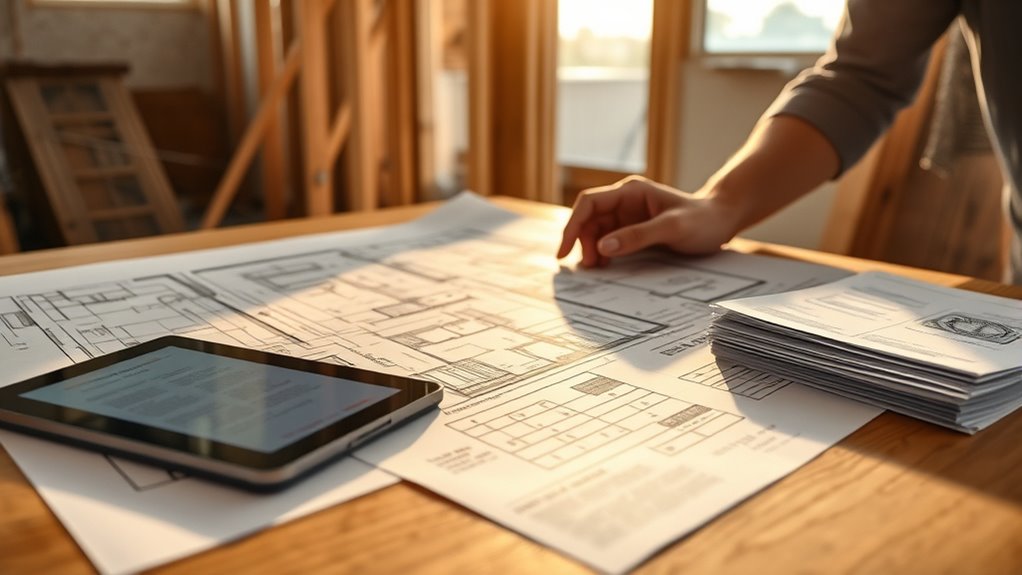

Before starting your installation, it’s crucial to obtain the necessary permits and understand local building codes. These rules ensure your project meets safety standards, zoning restrictions, and inspection requirements, helping you avoid delays, fines, or legal issues. Permissions often involve reviewing plans and scheduling inspections at different stages. By doing this, you protect your property’s value and ensure everything proceeds smoothly—keep going to discover more about managing these essential steps effectively.

Get home appliances delivered free with Prime
- Fast, free delivery on millions of items
- Prime Video, Amazon Music and more included
- Member-only deals all year
Key Takeaways
- Obtain necessary permits before starting installation to ensure legal compliance and avoid project delays.
- Review local zoning restrictions to confirm the type, location, and use of the structure you’re installing.
- Schedule and prepare for inspections at various construction stages to verify adherence to building codes.
- Understand specific building code requirements related to safety, accessibility, and material standards.
- Non-compliance can lead to fines, work halts, or having to undo completed work, increasing costs and delays.

Before starting any construction or renovation project, understanding permits and building codes is essential. These regulations ensure your project complies with local standards, keeps everyone safe, and prevents costly mistakes down the line. One of the first things you need to be aware of involves zoning restrictions. Zoning laws determine what kinds of structures you can build, where you can build them, and how they can be used. For example, if you’re planning to add a deck or convert a garage into a living space, you’ll need to check whether your property is zoned for such activities. Zoning restrictions can also dictate setbacks from property lines, height limits, and land use types. Ignoring these rules can lead to delays, fines, or even having to undo work already completed, so it’s fundamental to research and clarify these restrictions early on.
Along with zoning laws, inspection procedures play an integral role in the permitting process. Typically, after you submit your plans and obtain permits, inspections are scheduled at various stages of construction. These inspections verify that the work complies with local building codes and approved plans. You might have inspections for foundation work, electrical wiring, plumbing, framing, insulation, and final occupancy. It’s your responsibility to prepare for these inspections—making sure that your work is accessible, up to code, and ready for review. If an inspection fails, you’ll need to address the issues identified before moving forward. This process helps prevent unsafe or non-compliant structures from being approved, ensuring your project remains within legal boundaries.
Understanding inspection procedures also means knowing how to schedule inspections, what documentation to provide, and how long the process might take. Building departments often have specific requirements, so it’s wise to contact them early and clarify what is expected. Failing to secure proper inspections can result in penalties and might even invalidate your permits, forcing you to halt work until problems are corrected.
As an affiliate, we earn on qualifying purchases.
Frequently Asked Questions
Are Permits Required for Minor Repairs or Cosmetic Updates?
For minor repairs or cosmetic updates, permits are often not required due to permit exemptions and cosmetic exceptions. You typically don’t need approval for simple tasks like painting, replacing fixtures, or patching walls. However, if your project involves structural changes or electrical work, permits may still be necessary. Always check local regulations to verify your updates qualify for exemptions, avoiding potential fines or issues down the line.
How Long Does It Typically Take to Get Permit Approval?
Permit processing times vary depending on your location and project complexity, but generally, you can expect the approval timeline to take anywhere from a few days to several weeks. You should check with your local permitting office for specific details. To speed up the process, make sure your application is complete and accurate. Stay in contact with officials and promptly respond to any requests for additional information.
Can I Install Without a Permit if I’M Experienced?
Skipping permits might seem like taking a shortcut, but it’s like walking a tightrope without a safety net. Even if you’re experienced, DIY projects often require a professional inspection to guarantee safety and code compliance. Installing without a permit risks hefty fines, safety hazards, and future headaches. Always check local regulations first; it’s worth the effort to do it right and protect your home and loved ones.
What Are the Consequences of Building Without Permits?
If you build without permits, you risk permit violations that can lead to serious legal penalties. Authorities may order you to tear down or modify your work, which can be costly and time-consuming. Plus, unpermitted construction often voids insurance coverage and reduces property value. To avoid these issues, always obtain the necessary permits before starting your project, ensuring your work complies with local codes and regulations.
Do Building Codes Vary Significantly Between Municipalities?
Yes, building codes vary markedly between municipalities due to differences in regional regulations and local priorities. You’ll find that requirements for materials, safety standards, and inspections can differ widely depending on where you are. It’s essential to check your specific municipality’s codes before starting any construction project. Ignoring these differences can lead to delays, fines, or needing to redo work to meet local standards.
As an affiliate, we earn on qualifying purchases.
Conclusion
Navigating permits and building codes might seem like a tangled web, but think of it as laying a solid foundation for your project’s success. By securing the right approvals and following regulations, you’re steering clear of costly setbacks and ensuring your project stands tall like a well-built skyscraper. Remember, taking the time to get it right today saves you from headaches tomorrow. So, gear up, stay informed, and watch your dream project rise smoothly from the ground up.
As an affiliate, we earn on qualifying purchases.
As an affiliate, we earn on qualifying purchases.
Fall yard work Picks
leaf blowers
As an affiliate, we earn on qualifying purchases.