
Seasonal rainfall affects your well water levels and quality by recharging the aquifer during rainy periods, which raises the water table and improves well flow. Heavy rains can increase groundwater levels, making water clearer and reducing contamination risks, while dry seasons cause levels to drop, possibly lowering well productivity. Fluctuations in groundwater levels influence water quality and contamination potential. To better understand how these changes impact your well, keep exploring how seasonal patterns shape groundwater behavior.

Get home appliances delivered free — and shop member deals
- Fast, free delivery on millions of items
- Access to Prime Big Deal Days deals on October 6–7
- Prime Video, Amazon Music and more included
Key Takeaways
- Seasonal rainfall influences aquifer recharge, affecting groundwater levels and well productivity.
- Heavy rains typically raise water tables, improving water quality and well flow.
- During dry seasons, declining water levels can reduce well yield and concentrate contaminants.
- Fluctuations in water table levels due to seasonal rainfall impact the presence of surface contaminants.
- Monitoring these changes aids in managing water quality and planning sustainable groundwater use.
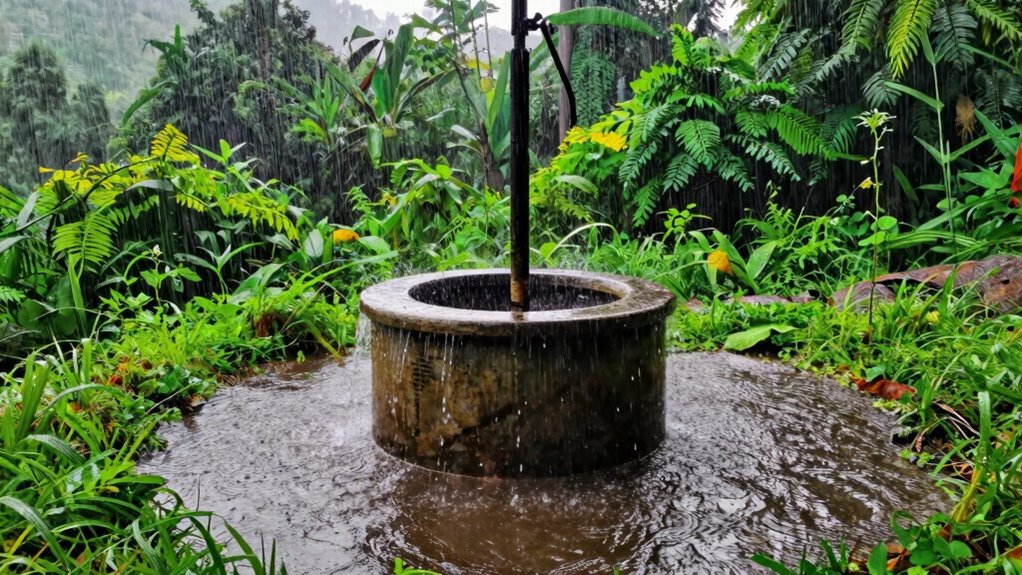
Seasonal rainfall directly influences the availability and quality of well water, especially in areas that rely heavily on groundwater sources. When rain falls consistently, it helps recharge the aquifers that supply your well, ensuring a steady flow of clean water. During rainy seasons, the process of aquifer recharge accelerates as more water seeps into the ground, replenishing underground reservoirs. This recharge is crucial because it maintains the water table at sustainable levels, preventing it from dropping too low. Conversely, during dry periods, the lack of rainfall causes the water table to fluctuate downward, making your well less productive or even temporarily dry.
You’ll notice that after heavy rains, your well’s water level often rises, signaling an increase in groundwater. This rise reflects the aquifer’s ability to absorb and store water from the surface. Water table fluctuations are a natural response to seasonal rainfall, and they directly impact the quality and quantity of water you can draw from your well. When the water table is high, the water is generally clearer and less likely to contain contaminants that tend to settle at lower levels. However, if the water table drops, contaminants from surface runoff become more concentrated near the well, potentially affecting its quality.
Understanding how seasonal rainfall affects aquifer recharge can help you plan better for periods of drought or heavy rain. If you notice your well level dropping during dry seasons, it’s a sign that the aquifer isn’t being replenished sufficiently. You might need to conserve water or consider alternative sources until the rainy season returns. Additionally, changes in groundwater levels can impact the groundwater quality, making regular testing important especially after heavy rainfall. This process of aquifer recharge is essential for maintaining a reliable and safe water supply over time. Recognizing the importance of groundwater sustainability can help communities implement better water management practices for the future. Monitoring these fluctuations can also help prevent potential water contamination issues that arise from low water levels. Being aware of these seasonal effects can assist in implementing groundwater conservation strategies to protect this vital resource effectively.
As an affiliate, we earn on qualifying purchases.
Frequently Asked Questions
How Does Seasonal Rainfall Impact Well Water Quality Over Time?
Seasonal rainfall impacts your well water quality by influencing groundwater contamination levels. When rainfall patterns are heavy, it can push surface pollutants into your well, increasing contamination risks. Conversely, during dry seasons, reduced recharge might concentrate pollutants, affecting water safety. Over time, these fluctuations can alter your well’s water chemistry, making it essential to regularly test and maintain your well to guarantee safe, clean water regardless of seasonal changes.
Can Seasonal Droughts Permanently Lower Well Water Levels?
Yes, seasonal droughts can permanently lower your well water levels. Groundwater fluctuations caused by prolonged dry periods reduce the amount of water stored underground. When rainfall patterns shift to less frequent or less intense rain, aquifers recharge less, leading to a sustained drop in water levels. Over time, these changes can make it difficult to access enough water, especially if drought conditions persist or become more severe.
What Are the Best Ways to Monitor Seasonal Changes in Well Water?
Did you know that over 80% of rural households rely on well water? To monitor seasonal changes, you should perform regular water testing, especially after heavy rainfall or drought periods. Keep an eye on rainfall patterns through local weather reports or data. Installing a water level monitor can give real-time updates on well levels, helping you detect fluctuations early and guarantee your water remains safe and sufficient year-round.
How Does Rainfall Variation Affect Well Water Recharge Rates?
Rainfall patterns directly influence your well water recharge rates. During periods of heavy rain, your aquifer receives more water, increasing recharge and boosting well levels. Conversely, droughts or reduced rainfall diminish recharge, lowering water availability in your well. When rainfall varies seasonally, it creates fluctuations in well water levels. Monitoring these changes helps you understand recharge rates, plan for droughts, and manage your water supply effectively.
Are Certain Well Types More Vulnerable to Seasonal Rainfall Changes?
Some well types, like shallow or dug wells, are more vulnerable to seasonal rainfall changes. Their vulnerability assessment shows they’re prone to fluctuations in water levels because they rely on surface or near-surface recharge sources. Deep drilled wells tend to be more resilient, drawing from more stable aquifers. By understanding your well type, you can better anticipate seasonal impacts and take proactive steps to protect your water supply.
As an affiliate, we earn on qualifying purchases.
Conclusion
So, next time you marvel at your well’s water level, remember Mother Nature’s little game of hide and seek. Seasonal rainfall teases your well like a mischievous child, sometimes flooding your hopes, other times leaving you high and dry. It’s like a fickle lover, promising plenty but often giving little. So, stay vigilant and keep your buckets ready—because in this watery dance, you never quite know when the rain will show up to steal the show.
As an affiliate, we earn on qualifying purchases.
As an affiliate, we earn on qualifying purchases.
Fall yard work Picks
leaf blowers
As an affiliate, we earn on qualifying purchases.