
Turbidity measures how cloudy water appears due to suspended particles like silt, organic matter, and debris, which block light and affect visibility. Water clarity indicates how much sunlight can penetrate, supporting aquatic plant growth and ecosystem health. High turbidity can signal pollution, runoff, or erosion, reducing water quality. Understanding these factors helps you recognize the state of a water body and its ability to sustain life, so explore further to learn how these issues impact aquatic environments.
Key Takeaways
- Turbidity measures water cloudiness caused by suspended particles like silt, clay, and organic matter.
- High turbidity reduces light penetration, hindering photosynthesis and disrupting aquatic ecosystems.
- Natural and human activities, such as rainfall and construction, increase sediment suspension in water.
- Clear water indicates low sediment levels, promoting healthy aquatic plants and biodiversity.
- Monitoring turbidity helps assess water quality and guides strategies to improve water clarity.

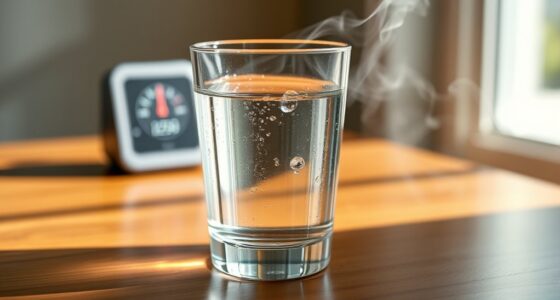
Have you ever wondered why some bodies of water look crystal clear while others appear murky? The answer often lies in the amount of sediment suspension present in the water. Sediment suspension consists of tiny particles like silt, clay, organic matter, and other debris floating freely in the water column. When there’s a high concentration of these particles, they scatter and absorb light, which reduces light penetration. This makes the water appear cloudy or murky, obscuring what’s beneath the surface. Conversely, when sediment suspension is low, fewer particles block the sunlight, allowing light to penetrate deeper and giving the water a clearer appearance.
High sediment suspension causes murky water by scattering and absorbing light, obscuring clarity beneath the surface.
Light penetration plays an essential role in determining water clarity. Sunlight is indispensable for aquatic ecosystems because it supports photosynthesis in plants and algae, which form the foundation of many food webs. When sediment suspension levels are high, they create a physical barrier that prevents sunlight from reaching submerged plants. This can stunt plant growth and disrupt the delicate balance of the ecosystem. On the other hand, clearer water with reduced sediment suspension allows sunlight to reach deeper levels, supporting lush aquatic vegetation and promoting a healthy environment.
The amount of sediment suspension in water is influenced by several factors. Natural processes like rainfall and runoff wash soil and organic matter into lakes, rivers, and reservoirs. Human activities, such as construction, agriculture, and deforestation, often accelerate sediment runoff, increasing turbidity. When sediments settle, they can form layers at the bottom, but during disturbances like storms or boat traffic, they’re stirred back into the water, temporarily increasing turbidity. The presence of aquatic plants and algae can also influence sediment suspension. Vegetation stabilizes sediments with their roots, reducing erosion and keeping particles suspended less frequently. Conversely, disturbed or damaged ecosystems often experience increased sediment suspension, leading to decreased water clarity.
Understanding how sediment suspension affects light penetration helps in managing water quality. Clear water is generally healthier because it supports photosynthesis, maintains oxygen levels, and sustains diverse aquatic life. Monitoring turbidity, which measures how cloudy the water is, provides insight into sediment levels and overall water health. When turbidity rises, it indicates increased sediment suspension, often signaling pollution or erosion issues. Managing land use practices, controlling runoff, and restoring natural vegetation are effective strategies to reduce sediment suspension, improve light penetration, and restore water clarity. Recognizing these relationships helps in improving water quality and protecting aquatic ecosystems.
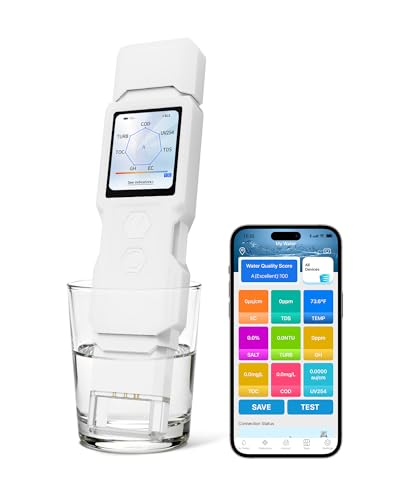
9-in-1 Smart Water Tester with APP Monitoring, Digital Water Test Kit for Turbidity, TDS, EC, Temp, Salt, GH, TOC, COD & UV275, Professional Water Tester for Drinking Water, Well, Tap & Outdoor.
- All-in-One Water Testing: Detects 9 water quality parameters
- Bluetooth App Connectivity: Syncs results with the Kactoily app
- Real-Time Data Storage: Stores and analyzes historical data
As an affiliate, we earn on qualifying purchases.
As an affiliate, we earn on qualifying purchases.
Frequently Asked Questions
How Does Turbidity Affect Aquatic Plant Growth?
Turbidity reduces light penetration, making it harder for aquatic plants to photosynthesize, which stunts their growth. When water is cloudy, less sunlight reaches the plants, hindering their ability to produce energy. Additionally, increased turbidity can interfere with nutrient absorption, as particles block the plant’s roots and leaves from accessing essential nutrients. This combination ultimately weakens aquatic plant health, affecting the entire ecosystem’s balance.
What Are the Health Risks of High Water Turbidity?
It’s ironic, but high turbidity can silently threaten your health. As sediment accumulates and waterborne pathogens thrive in murky water, you risk infections, gastrointestinal issues, and skin irritations. You might think clearer water is just about looks, but increased turbidity hides these dangers, making it harder for your immune system to fight off germs. So, while the water appears fine, lurking health risks are just beneath the surface.
Can Turbidity Levels Indicate Pollution Sources?
Yes, turbidity levels can indicate pollution sources. When you see high turbidity, it often points to pollution indicators like increased sediment sources, runoff, or waste discharge. These elevated levels suggest that pollutants are entering the water, potentially from erosion, construction, or agricultural activities. Monitoring turbidity helps you identify where pollution is originating, allowing for targeted actions to reduce contamination and improve water quality.
How Do Weather Events Influence Water Clarity?
Weather events like rain runoff and storms considerably impact water clarity. When it rains heavily, runoff carries sediments, pollutants, and debris into water bodies, increasing turbidity and reducing clarity. Storm impact can stir up sediments from the bottom, making water murkier. You’ll notice decreased visibility and more suspended particles after storms or heavy rain, which can affect aquatic life and water quality assessments.
What Methods Are Most Effective for Reducing Turbidity?
To reduce turbidity effectively, you should use a combination of filtration techniques and chemical treatments. Filtration techniques like sand or cartridge filters physically remove suspended particles, improving water clarity. Chemical treatments, such as coagulants and flocculants, help particles clump together, making them easier to filter out. Applying these methods together ensures you achieve clearer water efficiently and maintain ideal water quality.

Bestprod All-New 21 in 1 Drinking Water Testing Kit Strips, Home Tap and Well Water Test Kit for Hardness, Lead, Iron, Copper, Chlorine, Fluoride
- Clear, Easy-to-Read Results: Provides clear results for all substances
- Simple to Use: Add water, set timer, read results
- User-Friendly Guide: Includes clear instructions for interpretation
As an affiliate, we earn on qualifying purchases.
As an affiliate, we earn on qualifying purchases.
Conclusion
By now, you see that turbidity and water clarity are like a window into water’s health. When the water is clear, it’s like a glass of fresh spring water—inviting and pure. But when it’s cloudy, it’s a warning sign, hiding dangers beneath the surface. Paying attention to these cues helps you guard the environment and ensure clean water for all. Remember, clear water isn’t just beautiful—it’s a sign of a healthy, thriving ecosystem.

AAwipes 8-in-1 Aquarium Test Kit for Fish Tanks – Quick & Accurate Water Testing Strips for Aquariums & Ponds. Tests pH, Ammonia, Alkalinity, Hardness, Chlorine, etc. (K02-50)
- Professional 8-in-1 Testing: Measures key water parameters accurately
- Suitable for Freshwater & Ponds: Compatible with various aquatic environments
- Quick & Easy Results: Get readings in minutes with simple steps
As an affiliate, we earn on qualifying purchases.
As an affiliate, we earn on qualifying purchases.

Sper Scientific Turbidity Meter, Water Quality Tester, Portable Water Quality Meter for Field and Lab, Turbidimeter for Water Test with Carry Case (860040)
- ISO 7027 Compliant: Accurate turbidity measurement using nephelometric method
- Versatile Industry Use: Suitable for water treatment, pharmaceuticals, and more
- Large LCD Display: Clear visibility of turbidity levels
As an affiliate, we earn on qualifying purchases.
As an affiliate, we earn on qualifying purchases.