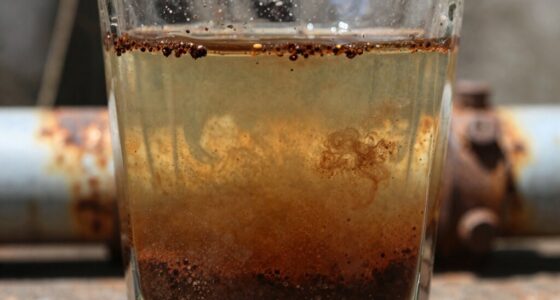
The gritty particles in your water, called sediment, come from natural processes like rain, wind, and flowing water breaking down soil and rock. Human activities such as construction, farming, and deforestation speed up erosion, increasing sediment runoff into water supplies. This sediment can make water cloudy and introduce pollutants. Understanding how erosion impacts water quality helps you see why managing land and runoff is important. Keep exploring to learn more about sediment’s role in our environment.

Get home appliances delivered free — and shop member deals
- Fast, free delivery on millions of items
- Access to Prime Big Deal Days deals on October 6–7
- Prime Video, Amazon Music and more included
Key Takeaways
- Sediment consists of tiny soil, mineral, or organic particles transported by water, wind, or ice.
- Natural erosion from rain, wind, and flowing water, along with human activities, increases sediment in water bodies.
- Excessive sediment can clog waterways, reduce water clarity, and carry pollutants like nutrients and chemicals.
- Sediment shapes landforms through deposition and erosion, impacting ecosystems and water quality.
- Erosion control measures help reduce sediment runoff, protecting water systems and aquatic habitats.
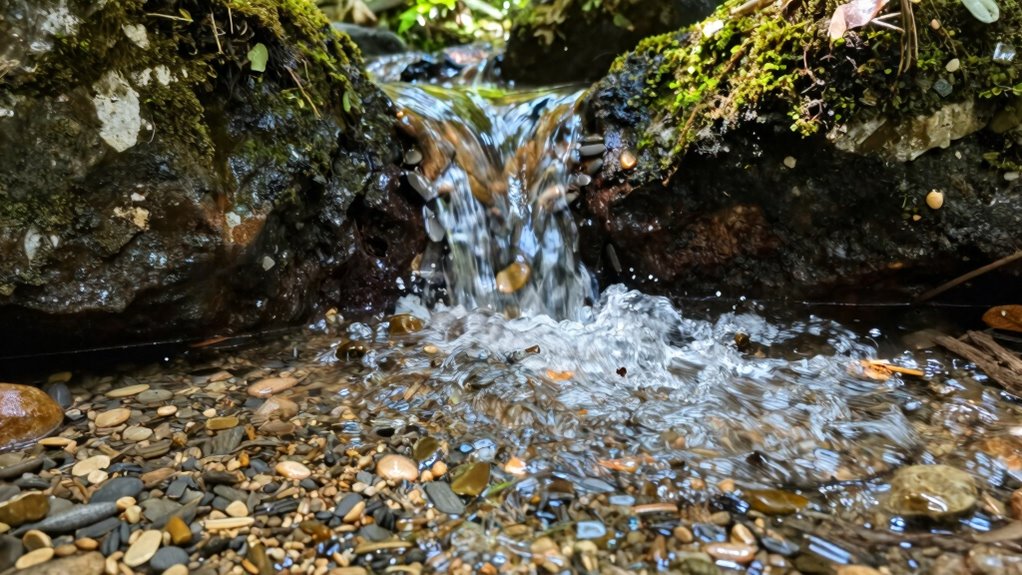
Have you ever wondered what sediment really is and why it matters? Sediment is fundamentally tiny particles of soil, minerals, or organic matter that get transported and deposited by water, wind, or ice. In your everyday life, sediment can sneak into your water supply, making it appear cloudy and gritty. Understanding where it comes from helps you grasp how it impacts water quality and the environment. One of the key processes behind sediment formation involves erosion processes. When natural forces like rain, wind, or flowing water act on land, they loosen and break apart soil and rock. These particles become loose sediment that can be carried away by moving water. Erosion processes are natural, but human activities such as construction, agriculture, and deforestation accelerate erosion, increasing sediment runoff into rivers and lakes. Erosion processes are natural, but human activities such as construction, agriculture, and deforestation accelerate erosion, increasing sediment runoff into rivers and lakes.
As water moves through landscapes, it acts as a natural filter, trapping larger particles and allowing cleaner water to pass through. This process is indispensable for water filtration, as it helps remove debris and contaminants from surface runoff before they reach larger bodies of water. However, when erosion is excessive, it overwhelms natural filtration systems, causing high sediment loads that can clog waterways and harm aquatic life. Sediment can carry pollutants like nutrients, bacteria, and chemicals, further degrading water quality. This is why managing erosion is essential for maintaining healthy water systems.
The movement of sediment isn’t just a concern for water clarity; it also shapes the land itself. Erosion can carve valleys, form deltas, and create new landforms over time. When sediment settles out of water, it often accumulates in riverbeds, lakes, or ocean floors, sometimes forming fertile soils or, conversely, leading to sediment buildup that can cause flooding or navigation issues. Human activities that disturb land surfaces—like farming, urban development, or logging—often increase erosion, leading to more sediment entering waterways. That excess sediment can settle in reservoirs and dams, reducing their capacity and effectiveness.
Understanding sediment’s role in water filtration and erosion processes underscores why controlling sediment runoff is indispensable. Preventing excessive erosion—through measures like planting cover crops, building terraces, or maintaining riparian buffers—helps keep sediment levels in check. This not only preserves water clarity but also protects aquatic ecosystems and ensures cleaner water for you and your community. So, next time you see muddy water or silt buildup, remember that sediment’s journey from land to water involves these natural and human-influenced processes that shape our environment in profound ways.
As an affiliate, we earn on qualifying purchases.
Frequently Asked Questions
How Can I Test for Sediment Levels in My Water?
To test for sediment levels in your water, you can perform water testing with a sediment test kit available at hardware stores or online. These kits allow you to measure sediment levels easily at home by collecting a water sample and following the instructions. For more precise sediment measurement, consider sending a sample to a professional lab, which can analyze the water and provide detailed results about sediment content.
What Are the Health Risks of Sediment in Drinking Water?
Sediment in your water can cause serious health implications, including gastrointestinal issues and bacterial growth. It also raises filtration concerns, making it harder to remove contaminants effectively. When sediment settles, it can harbor harmful microbes and toxins, risking your health. Protect yourself by regularly testing and filtering your water, ensuring clear, clean water free from gritty grime that could compromise your well-being.
Can Sediment Cause Damage to Plumbing Systems?
Sediment can definitely cause damage to your plumbing systems. As sediment accumulates, it leads to sediment buildup inside pipes, which can restrict water flow and cause clogs. Over time, this buildup can also promote pipe corrosion, weakening the pipes and increasing the risk of leaks or bursts. Regular maintenance and water filtration can help prevent sediment from damaging your plumbing, saving you money and headaches in the long run.
How Often Should I Clean My Water Filtration System?
You probably think you can ignore filter maintenance, but sediment buildup demands regular attention. You should clean your water filtration system every 3 to 6 months, depending on usage and water quality. Neglecting this causes clogged filters and reduced efficiency. Staying on top of filter maintenance prevents sediment from damaging your system and guarantees clean, clear water. So, don’t wait until sediment causes a bigger headache—schedule your cleaning today.
Are There Natural Methods to Reduce Sediment in Water?
Yes, you can reduce sediment in water naturally by using natural filtration methods like installing a gravel or sand filter, which traps sediment sources effectively. Regularly planting or maintaining vegetation around water sources also helps prevent erosion, minimizing sediment runoff. Additionally, maintaining natural wetlands can act as a buffer, filtering out sediment before it enters your water supply. These eco-friendly methods improve water clarity without chemical treatments.
As an affiliate, we earn on qualifying purchases.
Conclusion
Now that you know where sediment in your water comes from, you might wonder if you’re really aware of what’s flowing through your pipes. It’s easy to overlook these tiny particles, but they can impact your health and your appliances. By understanding their origins, you can take steps to protect yourself. So, next time you turn on the tap, ask yourself—are you truly aware of what’s in your water? Sometimes, the smallest details make the biggest difference.
As an affiliate, we earn on qualifying purchases.
As an affiliate, we earn on qualifying purchases.
NFL season / tailgating Picks
team gear
As an affiliate, we earn on qualifying purchases.