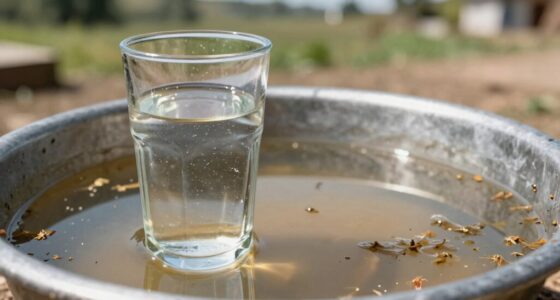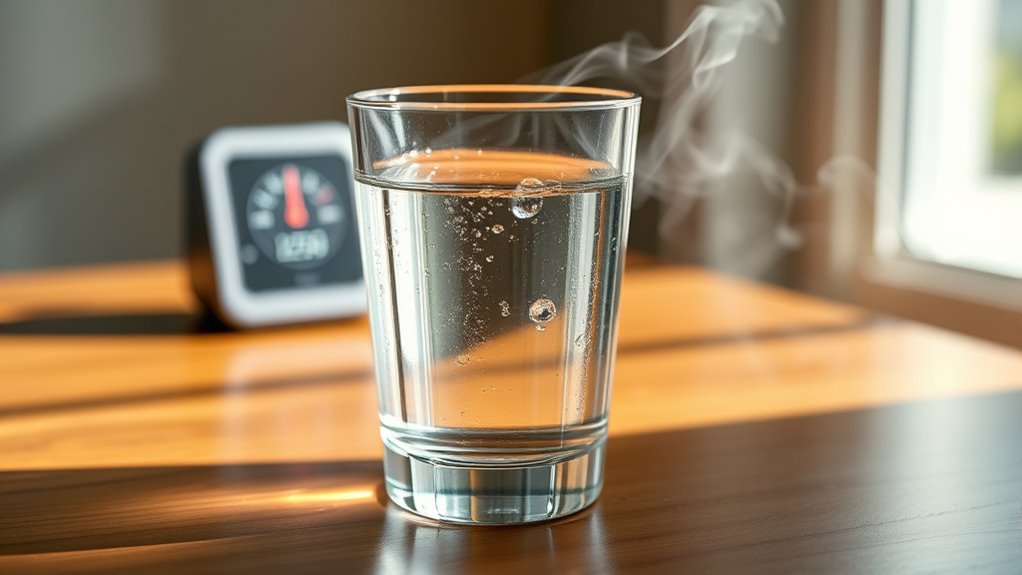

Understanding water temperature is key because it directly impacts flavor extraction, safety, and overall quality in cooking and brewing. Hot water pulls out oils and compounds more effectively, enhancing taste, but too hot can cause bitterness. Cold water may result in bland flavors, while unsafe temperatures can risk bacteria growth. Maintaining precise water temperature ensures better flavor and safety, helping you achieve ideal results. Keep exploring to discover how controlling water temperature can elevate your culinary and beverage experiences.

Get home appliances delivered free — and shop member deals
- Fast, free delivery on millions of items
- Access to Prime Big Deal Days deals on October 6–7
- Prime Video, Amazon Music and more included
Key Takeaways
- Water temperature affects flavor extraction, with hot water enhancing taste but risking bitterness if too hot.
- Proper temperature control ensures optimal ingredient release, improving overall beverage and food quality.
- Too cold water may lead to bland flavors due to insufficient extraction of compounds.
- Precise water temperature maintains ingredient integrity and prevents undesirable flavors in cooking and brewing.
- Balancing water temperature is essential for achieving consistent taste and ensuring safety in culinary and beverage preparation.

Have you ever wondered how water temperature affects your daily activities or the environment around you? When you turn on the tap, you might not think about the complex processes behind water heating or how temperature control influences the quality of the water you use. But these factors play a crucial role in everything from cooking to cleaning, and even in maintaining the health of aquatic ecosystems. Understanding how water temperature impacts taste and quality helps you make better choices, whether you’re preparing a meal or managing water systems.
Water heating systems are designed to provide precise temperature control, ensuring water reaches the desired warmth for various purposes. For instance, in cooking, the temperature of water can influence the extraction of flavors from ingredients like coffee or tea. Hot water releases oils and compounds more effectively, creating richer tastes, but if it’s too hot, it can also extract bitter or undesirable flavors. Conversely, water that’s too cold might not release enough flavor, resulting in a bland experience. Proper temperature control in water heating devices ensures that you can fine-tune these variables for optimal taste and quality.
Proper water temperature control enhances flavor extraction and ensures optimal taste in cooking and beverage preparation.
In many cases, maintaining consistent water temperature is essential for safety and hygiene. For example, in dishwashers or water heaters, precise temperature control ensures that water is hot enough to kill bacteria without wasting energy. Similarly, in brewing or cooking, controlling water temperature prevents over-extraction or under-extraction of flavors, which can alter the taste considerably. When water is heated to the right temperature, it preserves the integrity of the ingredients and enhances the overall quality of your food or beverage.
The impact of water temperature extends beyond your kitchen. In aquaculture or natural water bodies, temperature control affects the health of aquatic life, as even slight variations can influence the growth of bacteria, algae, and other microorganisms. Warmer water can accelerate biological processes but may also promote harmful bacteria growth, affecting water quality and safety. Conversely, cooler water might slow down these processes but could also limit oxygen availability, impacting ecosystems. Managing these temperature fluctuations is essential for maintaining healthy environments. Additionally, understanding aviation regulations related to water systems can help in designing better water management protocols for various industries.
Frequently Asked Questions
How Does Water Temperature Affect Mineral Solubility?
You’ll find that as water temperature rises, mineral solubility increases, allowing more minerals to dissolve. Conversely, lowering the temperature reduces mineral saturation, approaching solubility limits and potentially causing precipitation. This means hot water can hold more minerals without reaching solubility limits, while cold water’s mineral saturation is limited. Adjusting temperature directly influences mineral solubility, affecting taste and clarity, especially in brewing or mineral water processing.
What Is the Ideal Water Temperature for Brewing Different Beverages?
For ideal brewing, you should adjust water temperature based on the beverage. For coffee, aim for 195-205°F to extract rich flavors; for tea, 160-185°F depending on the type. Maintain precise temperature control to guarantee the best taste and quality. Different beverages require specific temperatures, so paying attention to these details helps you achieve consistent, high-quality results every time.
Can Fluctuating Water Temperatures Impact Waterborne Bacteria?
Did you know that bacteria grow fastest between 40°F and 140°F? Fluctuating water temperatures can indeed impact bacteria growth, making proper temperature regulation essential. When water temperature varies, it creates ideal conditions for bacteria to multiply, increasing health risks. To keep water safe, maintain consistent temperatures, especially in storage and handling. This way, you minimize bacteria growth and guarantee water remains clean and safe for use.
How Does Water Temperature Influence the Extraction of Flavors?
You’ll find that water temperature directly influences flavor extraction because it affects how quickly and thoroughly compounds dissolve. Hotter water speeds up extraction, releasing more flavor compounds, but can also lead to over-extraction, making tastes bitter or harsh. Conversely, colder water is more temperature sensitive, extracting flavors slowly and subtly. Adjusting water temperature allows you to control flavor intensity, ensuring your brew or dish hits just the right note.
Are There Health Risks Associated With Drinking Water at Certain Temperatures?
You should be aware that drinking water at very high temperatures can pose temperature safety risks, such as burns or scalds, especially if you’re not cautious. While cold water generally doesn’t have significant drinking hazards, extremely hot water may cause oral or esophageal injuries. To stay safe, avoid consuming water that’s too hot and make certain it’s at a comfortable temperature before drinking.
Conclusion
Understanding water temperature helps you appreciate how it impacts taste and quality. Did you know that studies show water at just the right temperature can enhance flavor by up to 30%? When you pay attention to temperature, you’re not only improving your drinking experience but also ensuring better hydration. So next time you fill your glass, remember: temperature makes all the difference—making every sip more enjoyable and invigorating.
Fall yard work Picks
leaf blowers
As an affiliate, we earn on qualifying purchases.