pH measures how acidic or alkaline your water is, which directly impacts your plumbing’s health. If the pH is too low, acidic water can corrode metal pipes and lead to damage over time. If it’s too high, mineral buildup can clog fixtures and reduce flow. Maintaining the right pH balance helps prevent costly repairs and keeps your system running smoothly. Keep going to discover how proper pH levels protect your plumbing for the long term.
Key Takeaways
- pH measures how acidic or alkaline your water is, affecting pipe materials and corrosion risks.
- Low pH (acidic) water can corrode metal pipes, causing leaks and introducing harmful metals.
- High pH (alkaline) water can lead to mineral buildup inside pipes, reducing water flow and causing clogs.
- Maintaining proper pH levels prevents plumbing damage, extends pipe lifespan, and ensures water quality.
- Regular pH testing and treatment help avoid costly repairs and keep your plumbing system functioning efficiently.
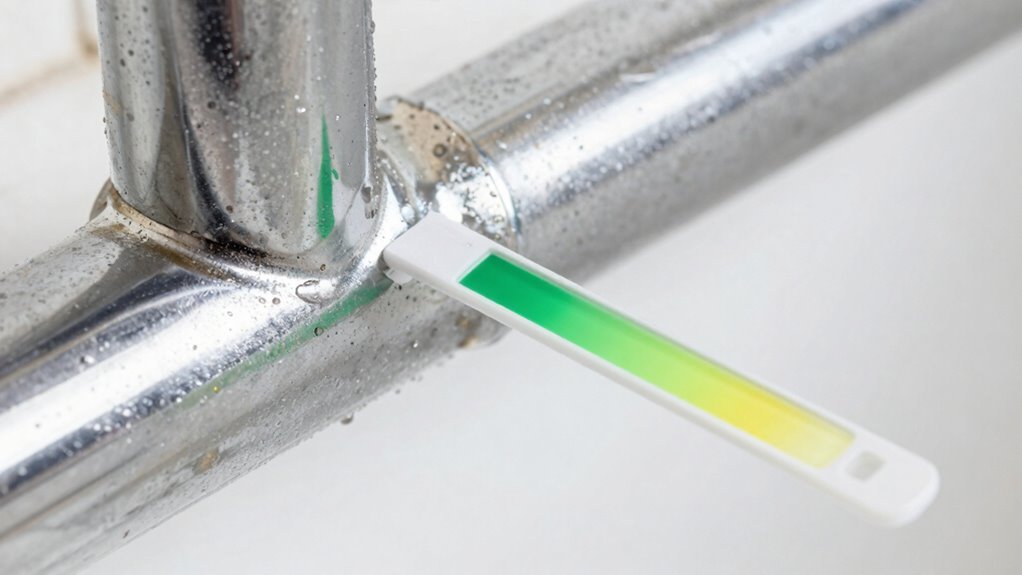
Understanding the pH level of your water is crucial for maintaining a healthy plumbing system. The pH measures how acidic or alkaline your water is, which directly influences how your pipes and fixtures respond over time. When the pH falls below 7, your water is considered acidic; above 7, it’s alkaline. Knowing where your water stands helps you prevent common problems like corrosion and buildup, both of which can lead to costly repairs and reduced water quality.
Monitoring your water’s pH is essential to prevent corrosion and buildup in your plumbing system.
If your water’s pH is too low, it can cause corrosion prevention issues. Acidic water tends to react with metal pipes, especially those made of copper, galvanized steel, or iron. Over time, this reaction deteriorates the pipe material, creating leaks and weakening the plumbing structure. Not only does this lead to costly repairs, but it can also introduce harmful metals into your water supply, affecting your health. Conversely, water with a high pH—more alkaline—can cause mineral buildup inside pipes and fixtures, reducing water flow and increasing the likelihood of clogs.
Understanding the pH of your water also guides your water treatment choices. If tests show your water is too acidic or alkaline, adjusting the pH becomes necessary to protect your plumbing. Water treatment methods such as pH neutralizers, filters, or chemical dosing systems are designed to bring your water’s pH into a safe and stable range. These systems are effective at preventing corrosion and mineral buildup, extending the lifespan of your plumbing system. Regular testing helps you stay ahead of potential issues, allowing you to make adjustments before damage occurs.
Managing pH levels isn’t just about protecting your pipes; it also preserves the quality of your water. Proper water treatment ensures your water remains safe, taste-pleasing, and free from harmful contaminants that can be introduced through corrosion or buildup. It’s a proactive approach that saves you money and hassle in the long run. If you’re unsure about your water’s pH, consider consulting with a professional who can perform extensive testing and recommend suitable treatment options.
Ultimately, understanding and maintaining the right pH level is key to preventing corrosion, avoiding expensive repairs, and ensuring your plumbing system functions efficiently. By staying informed and taking regular measures through water treatment, you safeguard your home’s plumbing and enjoy cleaner, safer water. Don’t overlook the importance of pH; it’s a simple yet crucial step in maintaining your plumbing’s health and longevity. Regular testing and monitoring can help detect issues early before they cause significant damage.
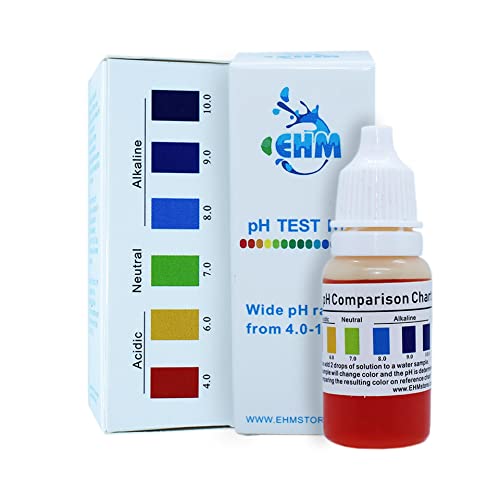
Alkaline Water (ph Test Kit) for Drinking Water Measures pH Level of Water More Accurately Than Test Strips pH Starter Kit Drops Easy to Use
- pH Range: 4.0 to 10.0
- Ease of Use: Squeeze bottle design
- Made in USA: All parts and ingredients
As an affiliate, we earn on qualifying purchases.
As an affiliate, we earn on qualifying purchases.
Frequently Asked Questions
How Does pH Affect the Lifespan of Plumbing Pipes?
A low or high pH level can substantially shorten your pipes’ lifespan by causing corrosion. When pH isn’t balanced, corrosion prevention becomes difficult, leading to pipe damage over time. To protect your plumbing, you should consider pipe material selection carefully, opting for materials that resist pH-related corrosion. Regularly testing your water’s pH and maintaining it within a safe range helps prevent costly repairs and extends your pipes’ durability.
What pH Level Is Ideal for Residential Water?
The ideal pH level for residential water is between 6.5 and 8.5. When water falls outside this range, it can lead to issues like increased water hardness and mineral buildup, which damage your pipes over time. Maintaining a balanced pH helps prevent corrosion and scale formation, ensuring your plumbing stays in good shape. Regular testing and treatment can keep your water within the suitable pH range for your system’s health.
Can pH Imbalance Cause Specific Plumbing Failures?
Think of your plumbing like a delicate dance; a pH imbalance can throw it off. If your water’s pH is too low or too high, it can cause corrosion prevention issues, leading to pipe leaks or failures. It also encourages mineral buildup, which clogs and weakens pipes over time. Maintaining proper pH levels helps keep your plumbing system healthy, avoiding costly repairs and ensuring smooth water flow.
How Often Should I Test My Water’s pH?
You should test your water’s pH at least twice a year to catch any imbalances early. Regular water testing helps you identify potential issues that could affect your plumbing, like corrosion or buildup. During plumbing maintenance, checking pH levels ensures your system stays in good shape. If you notice changes in water taste, smell, or appearance, test more often to prevent possible damage and maintain ideal water quality.
Does pH Impact the Taste or Odor of Water?
Yes, pH impacts water’s taste and odor. Low pH water can taste sour and have a metallic smell, while high pH water might taste bitter or soapy. Water filtration systems can improve taste by removing impurities, and maintaining proper pH levels helps prevent corrosion, which can cause bad odors. Regularly testing your water ensures ideal pH, protecting your plumbing and keeping your water fresh and pleasant to drink.

AFWFilters Acid Neutralizer for Well Water pH Filter Calcite
- Type: Acid Neutralizing Filter System
- Brand: Clack
- Color: Almond
As an affiliate, we earn on qualifying purchases.
As an affiliate, we earn on qualifying purchases.
Conclusion
Now that you know what pH really means for your plumbing, you’re basically a superhero saving your pipes from doom! Ignoring pH levels could turn your plumbing into a ticking time bomb, ready to explode with leaks and clogs at any moment. So, keep an eye on that pH balance—your pipes will thank you by staying strong, happy, and forever leak-free. Trust me, your plumbing will be your new best friend for life!

pH Up & pH Down for Hydroponics, Complete pH Control Kit – 250ml pH Up and 250ml pH Down with 2×50ml Beakers for Water pH Adjustment
- pH Adjustment Solutions: Includes pH Up and pH Down
- Suitable for Hydroponics: Designed for hydroponic water systems
- Complete pH Control Kit: Includes 250ml bottles of each solution
As an affiliate, we earn on qualifying purchases.
As an affiliate, we earn on qualifying purchases.

CorrosionX Heavy Duty Anti Rust Spray, Dripless Self-Healing Corrosion Inhibitor with Waterproof Barrier for Marine, Agricultural & Industrial Equipment in Harsh, Saltwater Environments, 12oz Aerosol
- Weatherproof Rust Protection: Self-healing barrier resists rain and seawater
- Long-Lasting Rust Defense: Protects up to 5 years indoors, 2 years outdoors
- Heavy-Duty Electrical Protection: Non-conductive formula for large terminals
As an affiliate, we earn on qualifying purchases.
As an affiliate, we earn on qualifying purchases.