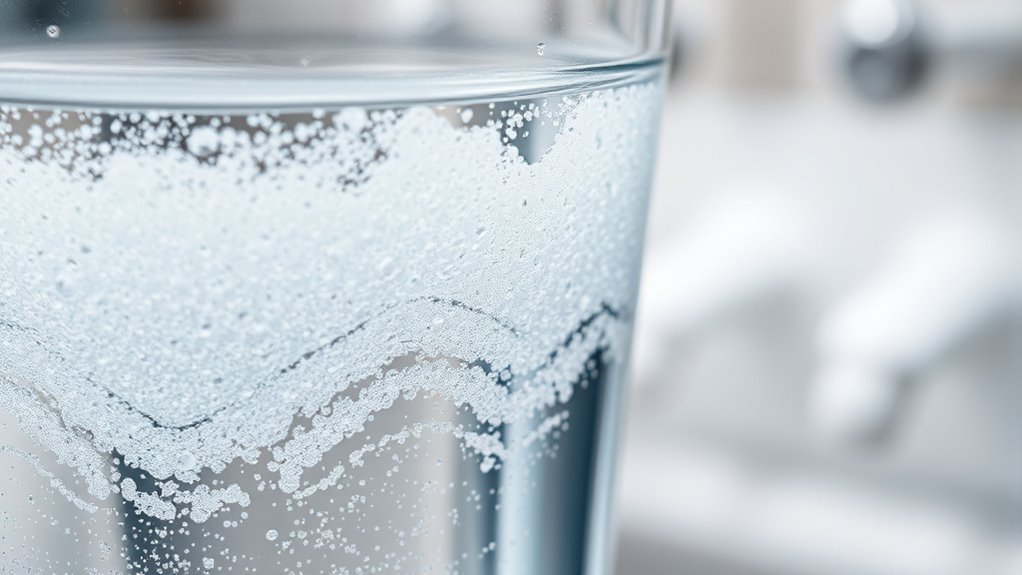
Water hardness is caused by dissolved minerals like calcium and magnesium that naturally seep into your water supply through soil and rocks. When these minerals build up, they can clog pipes, reduce appliance efficiency, and make cleaning chores harder. You might notice soap scum, dull fixtures, or dry skin. Understanding what causes hard water helps you spot issues early. Keep exploring to discover ways to manage or soften your water for better household maintenance.

Get home appliances delivered free with Prime
- Fast, free delivery on millions of items
- Prime Video, Amazon Music and more included
- Member-only deals all year
Key Takeaways
- Water hardness measures dissolved minerals, mainly calcium and magnesium, in water.
- It is caused by natural processes as rainwater passes through mineral-rich soil and rocks.
- Hard water leads to mineral buildup inside pipes, appliances, and fixtures, reducing efficiency.
- It causes soap scum, dull surfaces, and makes cleaning more difficult, impacting daily household tasks.
- Solutions include installing water softeners or using specialized cleaning products to mitigate effects.

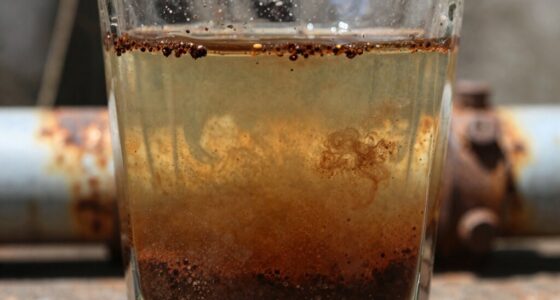
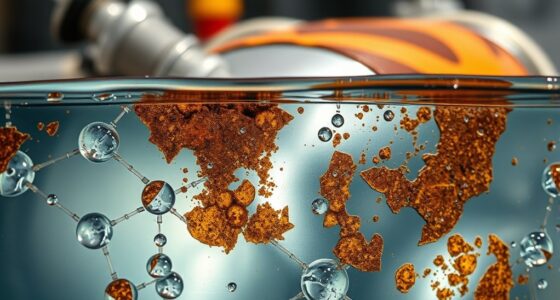
Water hardness refers to the amount of dissolved minerals, primarily calcium and magnesium, in your water supply. When these minerals are present in high concentrations, they can cause noticeable issues in your daily routines and household appliances. One common problem is scale formation, which occurs when mineral deposits build up inside your pipes, water heaters, and fixtures. Over time, this buildup can restrict water flow, reduce the efficiency of appliances, and even lead to costly repairs. You might notice your faucets and showerheads becoming clogged or less water flowing out, signaling that mineral deposits are accumulating. Additionally, hard water contributes to the formation of soap scum, a stubborn film that clings to your tubs, sinks, and glassware. Soap scum results because the calcium and magnesium in hard water react with soap, creating insoluble compounds that don’t rinse away easily. Instead, they leave behind a filmy residue that makes surfaces look dull and feels greasy or filmy to the touch. This not only affects the appearance of your fixtures but also makes cleaning more challenging, often requiring stronger cleaning agents or more scrubbing.
The causes of water hardness are largely natural. When rainwater seeps through soil and rocks, it dissolves minerals like calcium and magnesium along the way. These minerals remain suspended in the water as it travels to your home’s supply, especially if your area has limestone or chalk formations underground. The level of water hardness can vary depending on your geographic location, the local geology, and the treatment processes your municipal water provider employs. Some regions naturally have very hard water, while others have softer water that’s easier to work with. Understanding local geology can help you anticipate the typical water quality in your area.
The effects of water hardness go beyond just the inconvenience of soap scum and scale formation. Over time, mineral deposits can clog appliances, reduce their lifespan, and increase energy costs because appliances like water heaters have to work harder to heat water with mineral buildup inside. Clothes washed in hard water may feel stiff and look dull because minerals can interfere with soap’s ability to clean effectively. Skin and hair can also suffer, as mineral residues can cause dryness and irritation. The cumulative impact of these effects makes understanding water hardness essential, especially if you notice persistent cleaning problems or increased appliance maintenance costs. Addressing water hardness may involve installing water softeners or using specific cleaning products designed to combat mineral buildup, helping you maintain cleaner, more efficient household systems.
As an affiliate, we earn on qualifying purchases.
Frequently Asked Questions
How Can I Test My Water Hardness at Home?
Did you know that over 85% of homes in the US have hard water? To test yours at home, use a water test kit available at most hardware stores. Simply collect a water sample, follow the kit’s instructions, and compare the results. Home testing is quick, affordable, and gives you a clear idea of your water’s hardness, helping you decide if you need a water softener or other treatment.
Does Water Hardness Affect Plumbing and Appliances?
Yes, water hardness affects plumbing and appliances by increasing water mineralization, which leads to mineral buildup inside pipes and appliances. This buildup causes plumbing corrosion, reducing the lifespan of your plumbing system and decreasing efficiency. Hard water can clog fixtures, damage water heaters, and make cleaning more difficult. To prevent these issues, consider installing a water softener, which reduces water mineralization and protects your plumbing and appliances from damage.
Can Water Hardness Cause Health Issues?
Water hardness generally doesn’t pose serious health risks, so you can drink it safely. In fact, the minerals like calcium and magnesium found in hard water can offer health benefits, such as supporting bone strength and cardiovascular health. However, excessive hardness might cause skin dryness or mineral buildup. Overall, moderate hard water can be beneficial, but if you have specific health concerns, consult a healthcare professional to verify your water quality suits your needs.
What Are the Best Methods to Soften Hard Water?
You can soften hard water effectively by using mineral removal and softening techniques. Install a water softener, like an ion exchange system, which replaces calcium and magnesium with sodium. Reverse osmosis filters also remove minerals, providing softer water. Additionally, using potassium chloride instead of salt in softeners can be beneficial. Regular maintenance guarantees these methods work efficiently, helping you enjoy better quality water and protect your plumbing and appliances.
Is Hard Water Safe to Drink?
Hard water is like a tough nut to crack, but it’s generally safe to drink. Its water mineral content, mainly calcium and magnesium, doesn’t pose health risks and can even benefit your bones. However, high mineral levels can cause scaling, leading to appliances’ damage. To prevent this, consider water softening methods. So, while hard water is safe, using scaling prevention techniques can improve its quality and lifespan of your plumbing.
As an affiliate, we earn on qualifying purchases.
Conclusion
Just like a clear crystal reflecting life’s purity, understanding water hardness helps you see its true impact. When you address the causes, you prevent the cloudy buildup that symbolizes obstacles in your daily routine. Think of softened water as a gentle stream, flowing smoothly through your life, free of the rough edges caused by minerals. By managing hardness, you safeguard your appliances and embrace a smoother, more harmonious existence—because clear water symbolizes a clear, healthy life ahead.
As an affiliate, we earn on qualifying purchases.
As an affiliate, we earn on qualifying purchases.
NFL season / tailgating Picks
team gear
As an affiliate, we earn on qualifying purchases.