
Your tap water’s “fingerprint” is a unique chemical and biological signature shaped by its source, pipes, and treatment process. Factors like minerals, disinfectants, and contaminants influence its profile, revealing clues about pollution or system health. Advanced techniques like mass spectrometry help decode these signatures and catch issues early. By understanding this fingerprint, you gain insights into your water quality. Keep exploring to uncover how these signatures can tell you more about what’s in your water.

Get home appliances delivered free with Prime
- Fast, free delivery on millions of items
- Prime Video, Amazon Music and more included
- Member-only deals all year
Key Takeaways
- Water’s fingerprint is a unique chemical and biological profile shaped by its source and distribution system.
- Techniques like mass spectrometry and isotope analysis identify trace substances and detect changes.
- Monitoring the fingerprint over time helps identify contamination, system issues, or shifts in water quality.
- Factors like pipe age, residual disinfectants, and infrastructure influence the water’s chemical signature.
- Analyzing the water’s fingerprint enables early detection of contamination and improves water quality management.
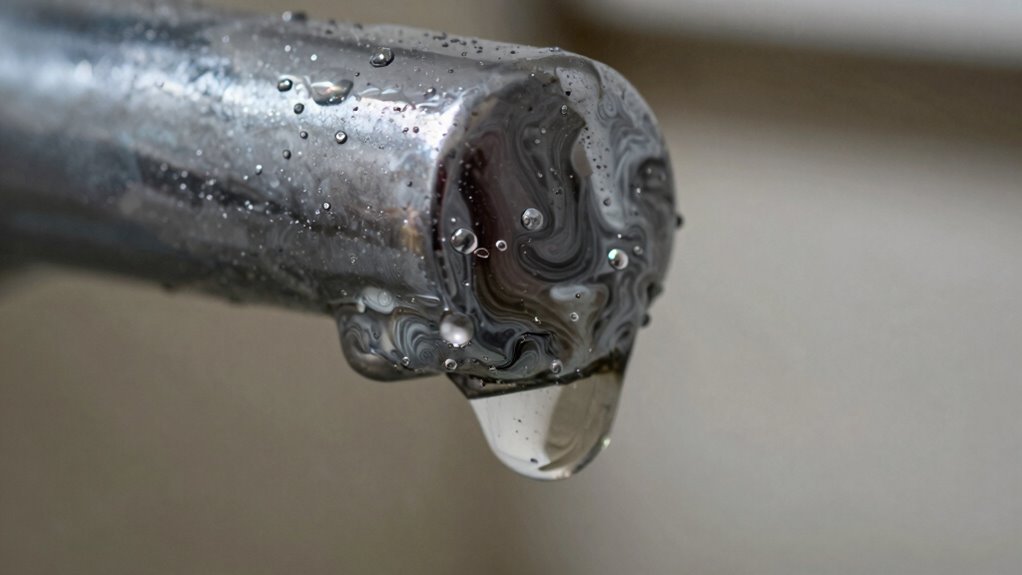
Have you ever wondered if your tap water has a unique signature? The truth is, every drop of water flowing through your pipes carries a distinct fingerprint shaped by various factors. This fingerprint isn’t just a metaphor; it’s a real chemical and biological profile influenced by the water’s journey through the distribution system. Understanding this can help you identify potential water contamination issues and assess water quality more effectively.
Your tap water’s fingerprint is primarily determined by the sources it comes from and the infrastructure it traverses. As water is drawn from lakes, rivers, or aquifers, it begins with a natural chemical composition. But once it enters the distribution system, things get more complex. The pipes, treatment processes, and storage tanks all influence the water’s final signature. Over time, mineral deposits, corrosion products, and residual disinfectants can alter the water’s characteristics. Each city or neighborhood’s distribution system has its own unique set of conditions, giving the water a specific profile that can be analyzed and compared over time.
Your tap water’s profile is shaped by its source and distribution system conditions.
One major aspect affecting your tap water fingerprint is water contamination. Contaminants can enter the distribution system at various points—through aging pipes, leaks, or cross-connections with non-potable sources. These contaminants, whether biological pathogens, heavy metals, or chemicals, change the chemical makeup of your water, leaving behind a detectable signature. Regular testing and fingerprint analysis can reveal these changes, alerting you and local authorities to potential contamination issues before they become health risks. By analyzing the water’s fingerprint, experts can trace contaminants back to their source, whether it’s rusted pipes, polluted source water, or infiltration from sewage.
Decoding this fingerprint involves sophisticated techniques like mass spectrometry or isotope analysis, which can identify even trace amounts of substances. When your water’s profile shifts unexpectedly, it flags possible contamination or system changes. This means that by understanding and monitoring your water’s fingerprint, you can stay informed about the quality of your tap water, catching problems early and advocating for improvements if needed. Additionally, implementing advanced testing methods can enhance the accuracy of fingerprint analysis and provide more detailed insights into water quality.
In essence, your tap water’s fingerprint is a powerful tool for understanding water quality. It reflects not just the original source but also the history and condition of the distribution system. By paying attention to these signatures, you become more aware of potential water contamination issues and can push for better monitoring and maintenance in your area. Knowing how your water’s profile changes over time empowers you to make informed decisions about your health and safety, ensuring that your tap water remains safe and clean.
As an affiliate, we earn on qualifying purchases.
Frequently Asked Questions
Can Tap Water Fingerprints Change Over Time?
Yes, your tap water fingerprints can change over time. Water source variations and contamination levels fluctuate due to weather, seasonal shifts, or nearby activities. These changes alter the mineral and chemical composition, impacting the fingerprint. Regular testing helps you monitor these shifts, ensuring your water remains safe. Staying aware of source and contamination level changes allows you to take proactive steps for water quality maintenance.
Are All Water Fingerprints Safe to Drink?
Not all water fingerprints are safe to drink. Water purity varies, and chemical signatures can indicate contamination or natural minerals. You should always check your local water quality reports or have your tap water tested if you notice unusual tastes, odors, or signs of pollution. Understanding your water’s chemical signatures helps you determine safety, ensuring you drink clean, healthy water rather than potentially harmful contaminants.
How Often Should I Test My Tap Water’s Fingerprint?
You should test your tap water’s fingerprint at least once a year through water testing and fingerprint analysis. If you notice changes in water taste, smell, or appearance, consider testing more frequently. Regular testing helps identify potential contaminants early, ensuring your water remains safe. Stay proactive by scheduling annual tests and paying attention to any unusual water characteristics, so you can address issues before they become health concerns.
What Factors Influence Variations in Tap Water Fingerprints?
The variations in your tap water fingerprints are mainly influenced by contaminant sources and mineral composition. Contaminant sources, like plumbing or nearby industries, introduce different chemicals, while mineral composition depends on the local geology. Changes in water flow, seasonal shifts, or new construction can also alter these factors. By understanding these influences, you can better interpret your water tests and take appropriate action if needed.
Can Individual Households Have Unique Tap Water Fingerprints?
Every household has a unique water signature, making it possible for your tap water to stand apart from others. Through private well analysis, you can uncover these distinctive household water signatures, revealing subtle differences rooted in local geology and plumbing. So, yes, your household water fingerprint is special, reflecting your specific environment. This personalized insight helps you better understand your water quality and address any concerns proactively.
As an affiliate, we earn on qualifying purchases.
Conclusion
Just like a fingerprint reveals a person’s unique story, your tap water’s composition tells a tale of its journey through underground landscapes. Decoding this fingerprint helps you understand its origins and quality, turning everyday water into a story worth knowing. Embrace this knowledge as uncovering a hidden map, guiding you toward better awareness and choices. In this silent narrative, every drop whispers secrets—waiting for you to listen and decode the story behind your tap water.
advanced water testing equipment
As an affiliate, we earn on qualifying purchases.
As an affiliate, we earn on qualifying purchases.
water contamination detection device
As an affiliate, we earn on qualifying purchases.
As an affiliate, we earn on qualifying purchases.
NFL season / tailgating Picks
team gear
As an affiliate, we earn on qualifying purchases.