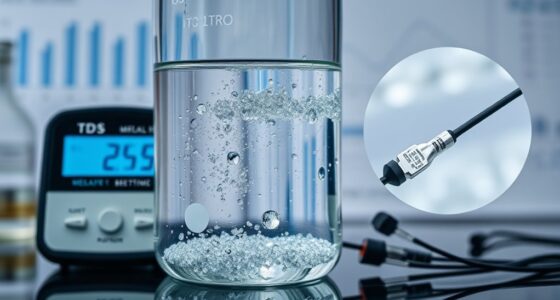
Clear water may look safe, but appearances can be deceiving because many harmful contaminants are invisible to the naked eye. Microscopic pollutants like bacteria, viruses, and chemicals can exist without changing water’s transparency. Visual cues alone aren’t reliable for ensuring water’s safety, so scientific testing is essential. If you want to understand why true water purity requires more than just sight, keep exploring what unseen dangers might be lurking.
Key Takeaways
- Clear water can still contain harmful invisible contaminants like bacteria, viruses, and chemicals.
- Visual clarity does not guarantee safety; many pollutants are odorless and tasteless.
- Advanced testing methods are necessary to detect microscopic pollutants undetectable by sight.
- Relying solely on appearance can lead to health risks from unseen waterborne dangers.
- Regular scientific testing is essential for accurate assessment of true water purity.

Have you ever wondered if clear water is truly as pure and safe as it looks? It’s easy to assume that if water appears transparent and clean, it must be free of harmful substances. But appearances can be deceiving. Just because water looks pristine doesn’t mean it’s safe to drink or bathe in. Many contaminants are invisible to the naked eye, making pollutant detection a critical part of ensuring water safety. You can’t rely solely on visual cues to judge water quality. Microscopic pollutants like bacteria, viruses, chemical residues, and heavy metals can lurk beneath the surface, undetectable to your eyes. These invisible threats can cause illness, long-term health issues, or environmental damage, which is why understanding what’s really in your water is so essential.
Clear water can hide invisible contaminants; scientific testing is essential for true safety.
In the quest for water safety, modern testing methods play an indispensable role. Techniques like chemical analysis, microbiological testing, and sensor-based detection allow professionals to identify pollutants accurately. These methods can reveal the presence of harmful substances that standard filtration or boiling might not remove. For instance, chemical pollutants such as pesticides or pharmaceuticals may not affect water’s clarity but can still pose health risks. Similarly, certain bacteria or viruses that can cause gastrointestinal illnesses are invisible to the naked eye but detectable through specialized tests. Without these advanced detection strategies, you might assume your water is safe based solely on its appearance, which is a risky misconception.
Furthermore, many pollutants are invisible because they are dissolved or exist in microscopic particles. Chemical contaminants can be odorless, tasteless, and colorless, which makes them even harder to spot without proper testing. This invisibility underscores the importance of ongoing water safety measures, especially in areas where water sources are vulnerable to pollution from agriculture, industry, or sewage. Regular pollutant detection becomes your best safeguard against unknowingly consuming contaminated water. It’s not enough to trust your senses—you need scientific verification to confirm that your water meets safety standards. Recognizing the limitations of visual inspection emphasizes the importance of advanced detection methods in maintaining water safety.
Ultimately, the truth about clear water is that it often hides dangerous contaminants. Visual clarity doesn’t guarantee safety. To protect yourself and your loved ones, prioritize pollutant detection and rely on accurate testing methods. Staying informed about your water quality is essential because the real risks are often invisible. Remember, just because water looks clean doesn’t mean it is. Vigilance and proper testing are your best defenses against the unseen dangers lurking in what appears to be pure, clear water.

Varify 17in1 Complete Drinking Water Test Kit – 100 Strips + 2 Bacteria Tester Kits – Well, Tap, Home, City Water Testing Strip for Lead, Alkaline, Chlorine, Hardness, Iron, Fluoride, Copper & More
- Number of Parameters Tested: 17 essential water quality parameters
- Comprehensive Water Analysis: Detects contaminants and imbalances
- Premium Quality Strips: Professional-grade, reliable test strips
As an affiliate, we earn on qualifying purchases.
As an affiliate, we earn on qualifying purchases.
Frequently Asked Questions
Can Invisible Contaminants Cause Long-Term Health Issues?
Yes, invisible contaminants can cause long-term health risks. Hidden toxins in your water, such as chemicals or heavy metals, may not be visible but can build up in your body over time. This exposure increases your chances of developing chronic health issues like cancer, neurological problems, or organ damage. It’s essential to test your water regularly and take steps to filter out these hidden toxins to protect your long-term health.
Are Standard Water Tests Reliable for Detecting All Pollutants?
Standard water tests aren’t always reliable for detecting all pollutants. While they catch common contaminants, advanced testing methods are necessary to identify hidden or low-level pollutants that may have detection limitations. You should consider using thorough testing if you suspect your water has invisible contaminants, as relying solely on standard tests might overlook harmful substances. Investing in advanced detection ensures safer water and peace of mind for your health.
How Often Should I Test My Water for Unseen Contaminants?
You should test your water at least once a year for unseen contaminants through water sampling. If you notice changes in taste, smell, or appearance, conduct contamination tracking immediately. Regular testing helps catch hidden pollutants early, protecting your health. Consider more frequent tests if you use well water or live in areas prone to environmental contamination. Staying proactive guarantees your water remains safe and clean.
Do Water Filters Remove All Invisible Toxins Effectively?
Water filters don’t remove all invisible toxins effectively due to filtration limitations. While they can reduce many contaminants, some tiny, invisible toxins may pass through depending on the filter type. To guarantee your water is thoroughly purified, choose filters designed specifically for the toxins you’re concerned about, and consider testing your water regularly. Remember, no filter guarantees complete removal of all invisible toxins, so staying vigilant is key.
What Are the Signs of Exposure to Invisible Water Contaminants?
You might notice visual symptoms like cloudy or discolored water, which seem like tiny monsters hiding in plain sight. Taste alterations, such as metallic or foul flavors, are also warning signs. These subtle clues indicate you’ve been exposed to invisible water contaminants. Don’t ignore these signals; they’re your body’s way of alerting you that something unsafe lurks in your water, even if it looks and tastes normal.

Craft911 Water Tester for Drinking Water – TDS Meter
- High-Precision TDS Measurement: Stable, accurate water quality testing
- Versatile Water Testing: Suitable for drinking, filter, and aquarium water
- Clear Backlit LCD Display: Easy reading in low light conditions
As an affiliate, we earn on qualifying purchases.
As an affiliate, we earn on qualifying purchases.
Conclusion
Even though water looks crystal clear, don’t assume it’s safe. In fact, over 2.2 billion people worldwide lack access to clean drinking water, exposing them to invisible contaminants. That’s a staggering reminder that clear water isn’t always pure. Stay vigilant—get your water tested regularly and consider filtration options. Because what’s unseen can harm you more than you think, and knowing the truth keeps you one step ahead in protecting your health.
Varify 17in1 Complete Drinking Water Test Kit – 100 Strips + 2 Bacteria Tester Kits – Well, Tap, Home, City Water Testing Strip for Lead, Alkaline, Chlorine, Hardness, Iron, Fluoride, Copper & More
- Number of Parameters Tested: 17 essential water quality parameters
- Comprehensive Water Analysis: Detects contaminants and imbalances
- Premium Quality Strips: Professional-grade, reliable test strips
As an affiliate, we earn on qualifying purchases.
As an affiliate, we earn on qualifying purchases.
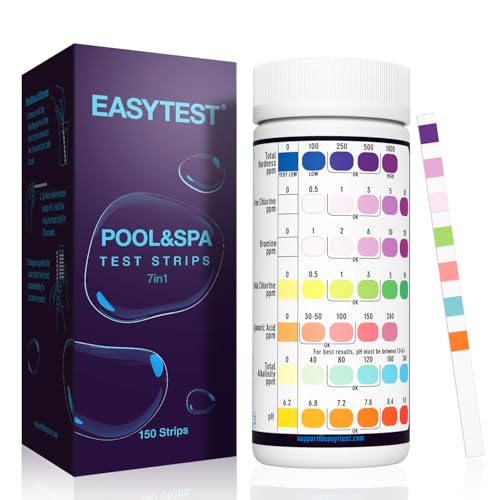
EASYTEST 7-Way Pool Test Strips, 150 Strips Water Test for Hot tub and Spa
- Number of Test Strips: 150 strips for multiple tests
- Quick and Accurate Testing: Soak for 1 second, read in 15 seconds
- 7-in-1 Water Parameters: Tests Bromine, pH, Chlorine, and more
As an affiliate, we earn on qualifying purchases.
As an affiliate, we earn on qualifying purchases.