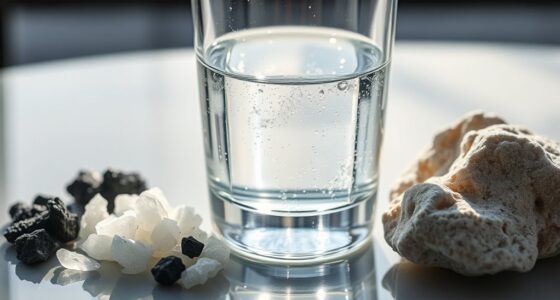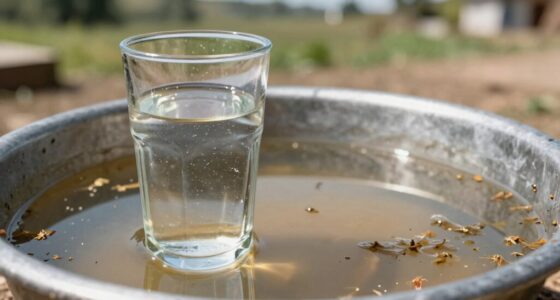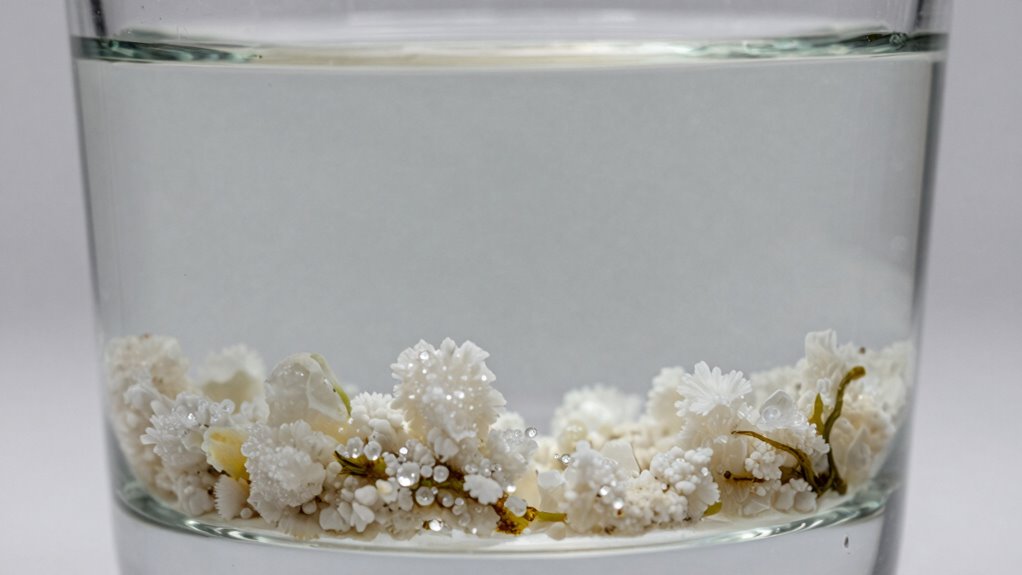

Minerals like calcium and magnesium are common in water and usually beneficial, but high levels cause problems like scale buildup and reduced appliance efficiency. Excessive minerals can also make cleaning harder and increase household maintenance costs. On the other hand, minerals such as fluoride and potassium are added intentionally for health benefits and generally don’t cause issues. If you’d like to understand which minerals may affect your water quality and how to manage them, keep exploring this topic.

Get home appliances delivered free — and shop member deals
- Fast, free delivery on millions of items
- Access to Prime Big Deal Days deals on October 6–7
- Prime Video, Amazon Music and more included
Key Takeaways
- Calcium and magnesium cause water hardness, leading to scale buildup and appliance issues.
- Excessive mineral levels, especially calcium and magnesium, can clog pipes and reduce water flow.
- Minerals like fluoride and potassium are beneficial and typically do not cause problems when balanced.
- High mineral concentrations can diminish soap effectiveness and increase cleaning challenges.
- Monitoring mineral levels helps determine if water treatment is necessary to prevent problems.
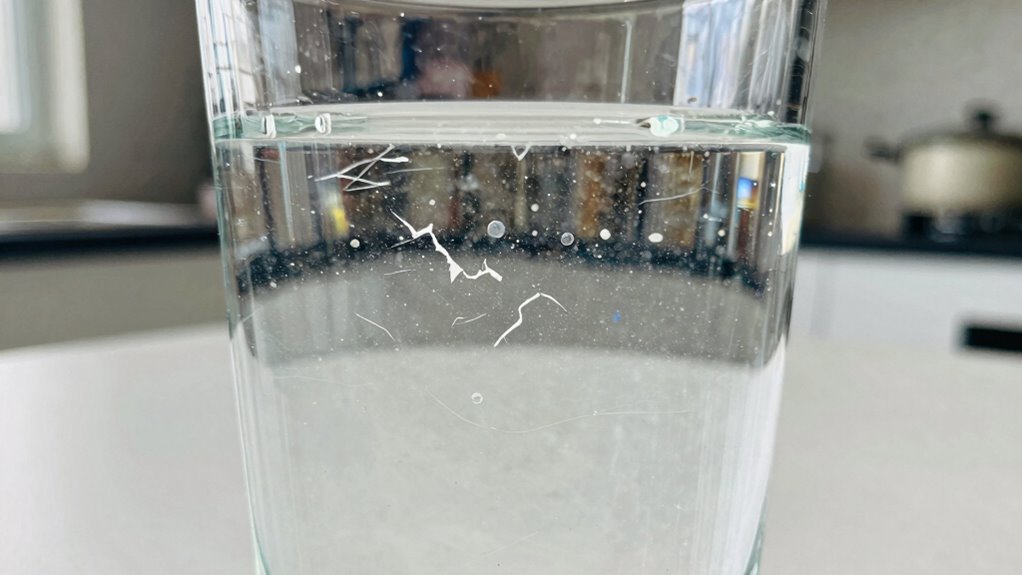
Have you ever wondered what minerals are present in the water you drink? It’s a common curiosity, especially since minerals can influence both the taste and quality of your water. When you look into it, you’ll find that water naturally contains dissolved minerals—tiny particles that are broken down from rocks and soil as water moves through the environment. These dissolved minerals, like calcium, magnesium, and potassium, are essential for your health, but their presence in water also impacts properties like water hardness.
Water hardness specifically refers to the concentration of calcium and magnesium dissolved minerals in your water. When these minerals are abundant, your water is considered “hard.” Hard water isn’t necessarily dangerous; in fact, it can even provide some health benefits due to its mineral content. However, it does come with some practical inconveniences. For example, hard water can cause soap to be less effective, leading to soap scum buildup on your skin, hair, and in your plumbing fixtures. You might notice mineral deposits forming on faucets, showerheads, or around your coffee maker. These deposits are a direct result of the dissolved minerals that are present in the water, which over time can clog pipes or reduce the efficiency of appliances.
While the presence of dissolved minerals that cause water hardness isn’t inherently harmful, they can become problematic if levels are excessively high. Very hard water may lead to scale buildup, which can reduce water flow and put strain on appliances like water heaters and dishwashers. This buildup can also be costly because it means more frequent maintenance or replacement of parts. In some cases, high mineral levels can interfere with the effectiveness of detergents and cleaning products, making chores more difficult and less effective. Additionally, understanding the composition of minerals in water can help you determine whether water treatment methods are necessary.
On the other hand, not all minerals in water are problematic. Some, like fluoride, are added intentionally to promote dental health, and others such as potassium are essential nutrients that benefit your body. The key is understanding which minerals are present and in what quantities. While dissolved minerals like calcium and magnesium in moderate amounts are generally safe and even beneficial, excessive levels can cause issues related to water hardness and scaling. Monitoring your water’s mineral content helps you decide if treatment is necessary, such as using water softeners or filtration systems, especially if you notice the signs of hard water or mineral buildup. In short, knowing which minerals are in your water allows you to enjoy clean, safe water that’s tailored to your needs.
As an affiliate, we earn on qualifying purchases.
Frequently Asked Questions
How Do Mineral Levels Vary Across Different Geographic Regions?
You’ll find mineral levels vary greatly across different regions due to geographic variability and regional differences in geography, geology, and climate. For example, areas with limestone bedrock often have high calcium and magnesium, while volcanic regions may have higher sulfur or silica. These natural factors influence water mineral content, meaning your water quality and taste can differ markedly depending on where you live. Staying aware of regional differences helps you understand your water’s characteristics.
Can Mineral Content in Water Change Over Time?
Did you know mineral fluctuations can cause changes in water composition? Yes, mineral content in water can change over time due to factors like weather, plumbing, and source shifts. These variations might alter taste, safety, and health impacts. Regular testing helps track these changes, ensuring you understand your water’s mineral levels. Staying aware of these fluctuations allows you to take appropriate measures, maintaining safe and high-quality water for your needs.
Are Mineral Levels Affected by Water Treatment Processes?
Yes, mineral levels are affected by water treatment processes. When you use water filtration, it can remove or reduce minerals, impacting mineral absorption. For example, activated carbon filters often lower contaminants but may not substantially eliminate minerals, while reverse osmosis systems can strip away many minerals. Understanding how these processes work helps you choose the right filtration method to maintain a healthy mineral balance in your water.
What Are the Health Benefits of Certain Minerals in Water?
Think of water as a nourishing river flowing through your body’s landscape. When it contains beneficial minerals like calcium and magnesium, it enhances mineral absorption, supporting strong bones and healthy muscles. Drinking mineral-rich water helps you achieve ideal mineral intake, boosting your immune system and heart health. These minerals work like friendly guides, helping your body function smoothly and keeping you energized and balanced every day.
How Can I Test Mineral Levels in My Tap Water?
You can test mineral levels in your tap water using home testing kits or opt for laboratory analysis for more accuracy. Home kits are easy to use; just collect a water sample, follow the instructions, and get quick results. For detailed insights, send your sample to a certified lab. This way, you’ll know which minerals are present and whether any levels might be problematic for health or appliances.
As an affiliate, we earn on qualifying purchases.
Conclusion
Understanding which minerals in water cause problems helps you protect your health and appliances. While some minerals are like silent villains, others are harmless or even beneficial, like gentle guardians. Think of water as a flowing river—some stones cause turbulence, while others smooth the path. By staying informed, you can navigate this current with confidence, ensuring your water remains a source of life, not trouble. Keep watch, and let clear, safe water flow effortlessly into your days.
As an affiliate, we earn on qualifying purchases.
water filtration system for minerals
As an affiliate, we earn on qualifying purchases.
As an affiliate, we earn on qualifying purchases.
Fall Picks
fall essentials
As an affiliate, we earn on qualifying purchases.