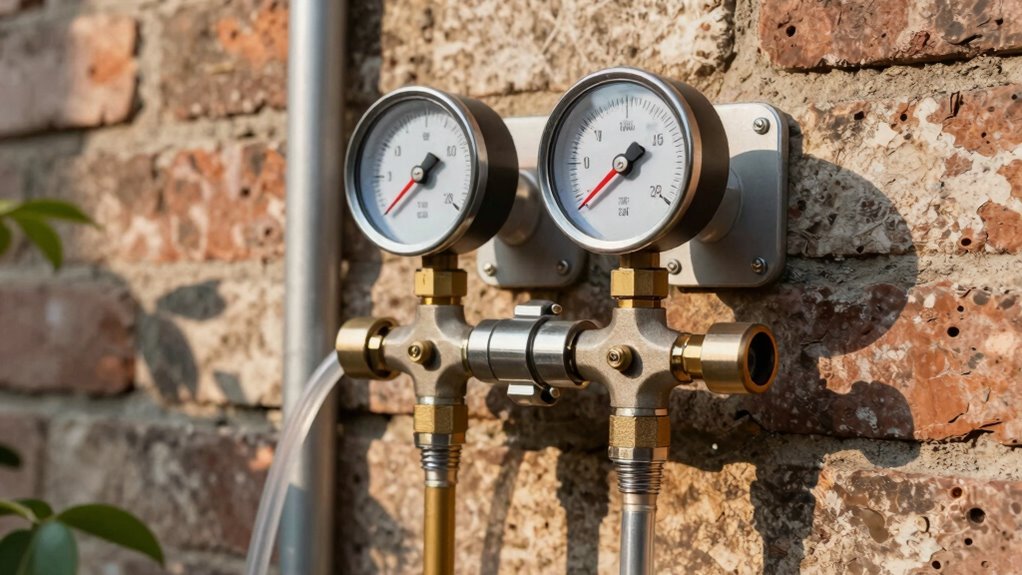
You’ll notice that constant-pressure well systems feel different because they provide steady, precise water pressure, reducing abrupt shifts or surges during drilling. This makes operation smoother and more predictable, with control actions that feel more direct. You won’t experience the usual pressure fluctuations that can cause surprises. As you learn more, you’ll discover how maintaining these stable conditions enhances your work efficiency and system reliability over time.
Listen free for 30 days with Audible
Thousands of audiobooks and originals — cancel anytime.
As an affiliate, we earn on qualifying purchases.
Key Takeaways
- They maintain steady water pressure, resulting in smoother and more predictable drilling operations.
- Automatic pressure regulation reduces abrupt shifts, creating a more consistent operational feel.
- Enhanced control minimizes manual adjustments, making the system respond more smoothly to input actions.
- The system’s ability to adapt instantly to pressure changes leads to a different, more stable user experience.
- Regular calibration and maintenance ensure consistent performance, contributing to the system’s distinct daily operation feel.
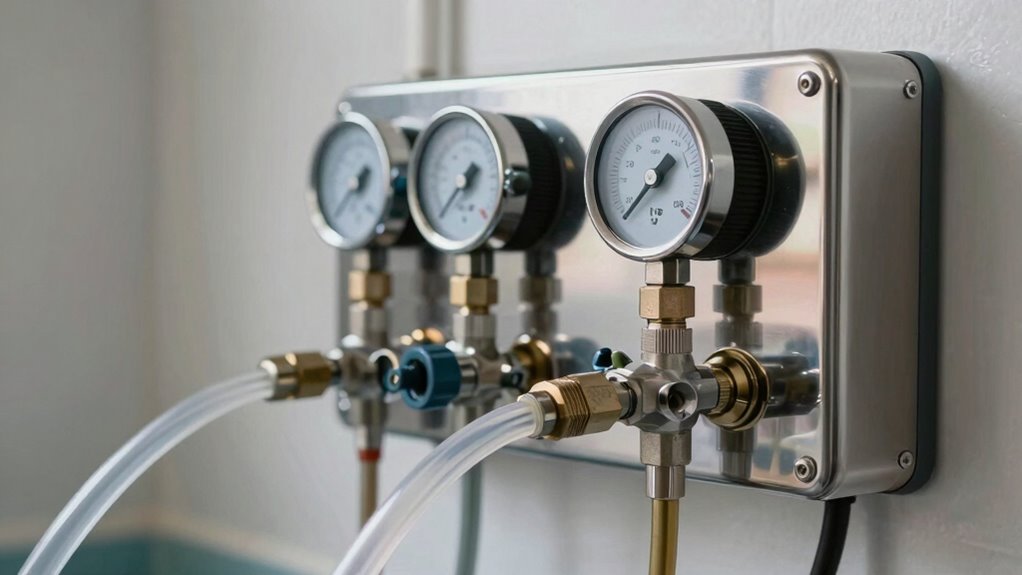
Constant-pressure well systems are designed to maintain a steady pressure throughout the drilling process, guaranteeing consistent wellbore conditions. When you operate these systems daily, you might notice they feel different from traditional setups, mainly because they regulate water pressure more precisely. This stability means you’re less likely to experience sudden changes that could disrupt drilling, but it also creates a unique feel that takes some getting used to. Unlike conventional systems, which can fluctuate and require constant monitoring, a constant-pressure system responds automatically to changes, giving you a smoother, more predictable operation.
Constant-pressure well systems deliver stable, precise water pressure for smoother, more predictable drilling operations.
One reason these systems feel different is because they minimize water pressure fluctuations. You won’t feel the abrupt shifts or surges that you might have with older setups. Instead, the pressure remains steady, and that steadiness impacts how the system responds to your input. When water pressure remains consistent, your control actions feel more direct and less erratic. This can be a surprising adjustment at first, especially if you’re used to reacting to pressure changes that are more pronounced. Over time, you’ll notice that your work becomes more precise because the system’s stability reduces unexpected surprises. Additionally, understanding how these systems respond to pressure regulation helps you adapt your techniques for optimal efficiency. Recognizing the importance of system maintenance ensures long-term reliability and optimal performance.
However, feeling differences in daily use isn’t just about the immediate operation — it’s also about understanding how to keep the system running smoothly. Regular system maintenance tips become essential here. For example, checking and calibrating the pressure regulators ensures they stay accurate, preventing water pressure fluctuations that could compromise the well’s stability. Clean and inspect the valves frequently, because buildup or debris can cause inconsistencies in water flow, which the system might try to compensate for, leading to unnecessary adjustments. Additionally, monitoring the flow rate and pressure gauges regularly helps you catch small issues before they escalate, maintaining the system’s overall reliability. Recognizing the importance of consistent well conditions is crucial for long-term success.
To optimize system performance, understanding the water pressure stability and how it affects operational control can help you better anticipate and respond to minor system changes. You’ll also find that understanding how to troubleshoot minor issues is vital for consistent performance. If you notice the system isn’t holding the pressure steady, it could be due to a leak, a faulty sensor, or a clogged valve. Addressing these quickly keeps the system in top shape, ensuring the steady pressure you depend on. Ultimately, the differences you feel in daily use come down to how well you maintain and understand the system. When you stay proactive with maintenance tips, you enhance system performance, making your work smoother and more predictable, all while benefiting from the core advantage of constant-pressure technology: a stable, efficient well operation.
As an affiliate, we earn on qualifying purchases.
Frequently Asked Questions
How Does a Constant-Pressure Well System Improve Water Flow?
A constant-pressure well system improves water flow by maintaining steady water pressure, regardless of demand changes. You’ll notice more consistent water flow because flow regulation adjusts automatically, preventing pressure drops during peak use. This means your taps and appliances receive a stable supply, reducing fluctuations and ensuring a smoother, more reliable water experience. Overall, it makes daily tasks easier by providing a steady, well-regulated water flow.
What Maintenance Is Required for Constant-Pressure Well Systems?
You might wonder if maintenance is complex, but with proper care, your constant-pressure well system can last decades. Regularly check the pressure tank, replace worn parts, and inspect for leaks to guarantee peak performance. These routine tasks enhance system longevity and reduce future costs. Staying proactive not only keeps your water flow steady but also protects your investment, making maintenance a small price for reliable, long-term use.
Can a Constant-Pressure Well System Handle High Water Demand?
Yes, a constant-pressure well system can handle high water demand effectively. It maintains steady water flow, ensuring reliable supply during peak usage. You’ll notice improved water quality because the system minimizes pressure fluctuations that can cause sediment or mineral buildup. Additionally, it’s energy-efficient since it adjusts pump operation based on demand, reducing electricity use. Overall, it provides consistent water delivery while promoting better water quality and saving energy.
How Does Temperature Affect the System’s Performance?
Temperature fluctuations can impact your constant-pressure well system’s performance by affecting water viscosity and pressure regulation. As temperatures drop, water becomes thicker, making it harder for the system to maintain consistent pressure, which may reduce efficiency. Conversely, higher temperatures can improve flow but might cause temperature-related stress on components. Overall, temperature variations can influence system efficiency, so regular maintenance and monitoring help guarantee reliable operation regardless of seasonal changes.
Are There Any Common Issues With Constant-Pressure Well Systems?
Like a well-worn book, your system can face common issues such as water quality fluctuations and reduced lifespan. You might notice sediment buildup, foul tastes, or inconsistent pressure, signaling these problems. Regular maintenance helps prevent premature wear and keeps your system running smoothly. Addressing these issues promptly guarantees your constant-pressure well system stays reliable, providing clean water and extending its lifespan, much like nurturing a cherished, trusted story.
automatic pressure regulator for well pump
As an affiliate, we earn on qualifying purchases.
As an affiliate, we earn on qualifying purchases.
Conclusion
Remember, a well-maintained system runs smoothly, and you’ll notice the difference in daily life. Constant-pressure well systems might feel different at first, but with proper care, they offer consistent water flow that keeps things simple. As the saying goes, “A stitch in time saves nine.” Regular checks make certain your system stays reliable, so you can enjoy steady water pressure without surprises. Stay attentive, and your well system will serve you well for years to come.
As an affiliate, we earn on qualifying purchases.
As an affiliate, we earn on qualifying purchases.
Flea & tick season Picks
flea and tick prevention
As an affiliate, we earn on qualifying purchases.