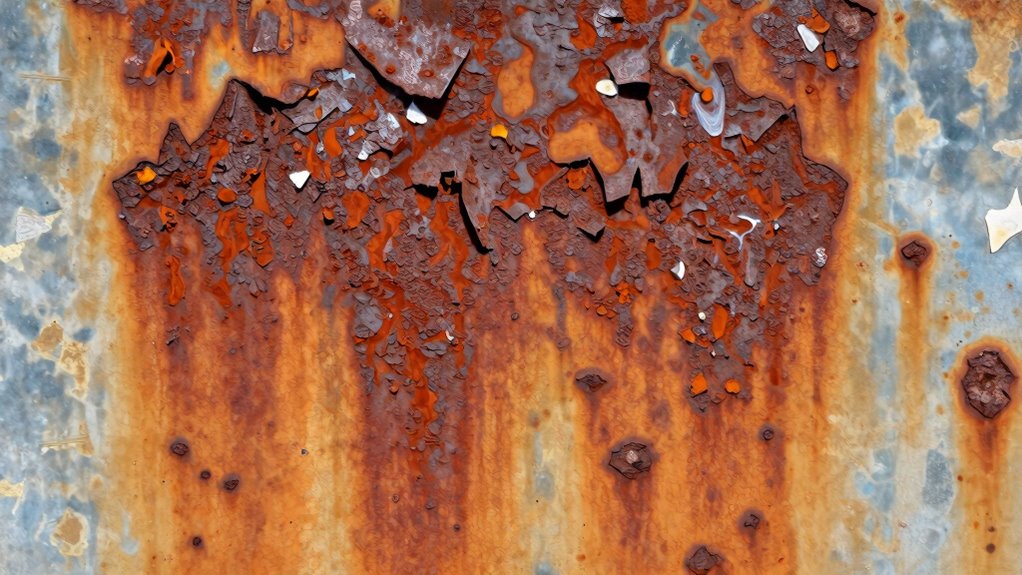
Oxidation happens when metal reacts with air and moisture, causing it to change color and sometimes develop rust or a dull surface. You might notice spots, streaks, or color changes like brown, orange, or greenish patina on your metal fixtures. This process weakens the metal over time and can lead to damage if not addressed. Understanding oxidation helps you keep your belongings in good condition, and if you keep going, you’ll discover how to prevent and manage it effectively.

Get home appliances delivered free — and shop member deals
- Fast, free delivery on millions of items
- Access to Prime Big Deal Days deals on October 6–7
- Prime Video, Amazon Music and more included
Key Takeaways
- Oxidation is a natural chemical reaction where metals react with oxygen, causing discoloration and surface changes.
- It often appears as rust, stains, or dull spots on metal surfaces like appliances and fixtures.
- Oxidation can weaken metal over time, leading to holes or structural damage if not treated.
- Regular inspections and protective coatings help prevent or slow down oxidation.
- Environmental factors like moisture and air exposure increase oxidation risks for metal items.
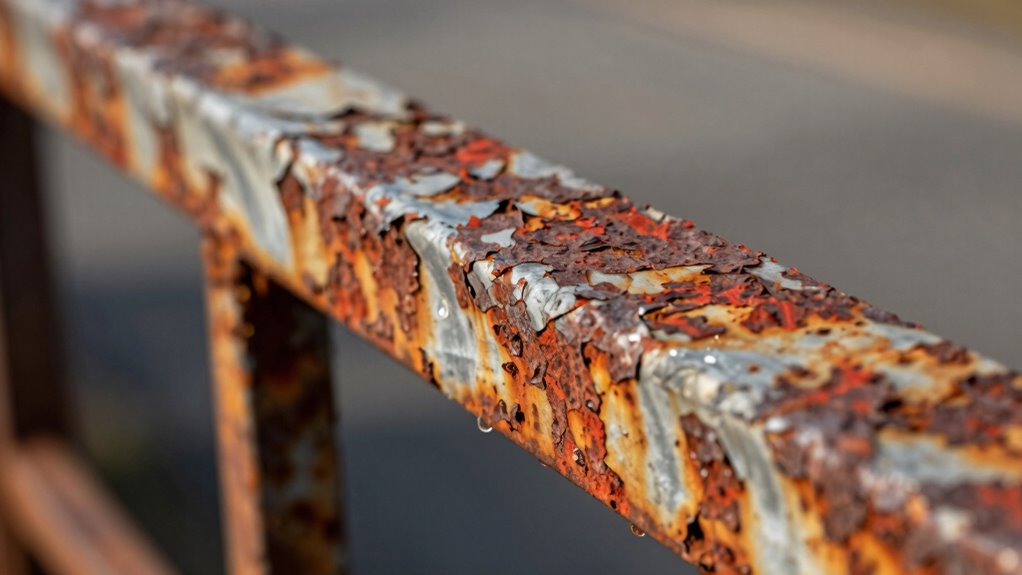
Have you ever noticed a reddish-brown stain forming on your metal fixtures or appliances? That’s a sign of oxidation, a natural process that affects many metals when they’re exposed to air and moisture over time. Fundamentally, oxidation is a chemical reaction where metal molecules combine with oxygen, causing a change in the metal’s appearance and structure. This process leads to metal deterioration, weakening the material’s integrity and making it more prone to damage. The reddish-brown stain you see is a common form of surface discoloration caused by rust, which is just one type of oxidation product. Understanding what oxidation is helps you better care for your home’s metal fixtures and appliances, preventing unnecessary damage and prolonging their lifespan.
When metals oxidize, their surfaces undergo a visible transformation. Surface discoloration appears as spots, streaks, or a dull, uneven finish—often brown, orange, or black. This discoloration isn’t just cosmetic; it indicates that the metal’s protective layer has broken down. In many cases, oxidation exposes the underlying metal to further corrosion, accelerating deterioration. For instance, iron and steel are highly susceptible to rust, which starts as surface discoloration and can eventually cause holes or structural weakness if left untreated. Other metals, like copper, develop a greenish patina, which is also a form of oxidation. While some patinas can act as a protective barrier, surface discoloration in most cases signals ongoing metal deterioration that needs attention. Recognizing the signs of metal deterioration early can help you take action before significant damage occurs. Regular inspection and understanding the oxidation process can help you implement timely preventative measures. Being aware of the chemical reactions involved can also guide you in choosing appropriate protective treatments for your fixtures. Additionally, understanding the environmental factors that influence oxidation can help you better control conditions at home to reduce corrosion risks. Proper maintenance and protective coatings are key elements in preventing oxidation from progressing further.
As an affiliate, we earn on qualifying purchases.
Frequently Asked Questions
Can Oxidation Cause Structural Damage to My Home?
Yes, oxidation can cause structural damage to your home. When materials like metal rust, oxidation accelerates rust formation, weakening the structural integrity. Over time, this material deterioration can lead to cracks, holes, or even collapse in severe cases. Regular inspections and maintenance help catch oxidation early, preventing costly repairs. Addressing rust promptly guarantees your home remains safe and sturdy, avoiding long-term damage caused by ongoing oxidation processes.
How Quickly Does Oxidation Occur on Different Materials?
Oxidation speeds up depending on the material and environmental factors. For instance, steel rusts within days or weeks in humid, salty conditions, while aluminum resists oxidation for years. Copper develops a patina over months or years, especially in moist environments. Exposure to water, oxygen, and pollutants accelerates material reactions, making oxidation occur faster on certain surfaces. Regular maintenance and protective coatings can slow down this natural process.
Is Oxidation Harmful to Household Safety or Health?
Oxidation isn’t usually harmful to your health, but it can lead to metal corrosion and surface discoloration. When metals like copper or iron oxidize, they form rust or tarnish, which weakens the material over time. While this process isn’t directly dangerous, it can compromise household safety if structural components weaken or if corroded metals come into contact with food or water. Regular maintenance helps prevent these issues.
Can Oxidation Be Prevented Without Replacing Items?
Think of oxidation as a slow, creeping fog over your household items. You can prevent it without replacements by applying rust prevention coatings and regularly cleaning surfaces. For existing rust, oxidation removal techniques like gentle scrubbing or chemical treatments can restore items. This proactive approach keeps your belongings safe and preserved, turning the threat of corrosion into a manageable challenge that protects your home’s value and safety over time.
Does Oxidation Affect the Resale Value of My Home?
Oxidation can negatively affect your home’s resale value by impacting its appearance and perceived condition. This can lead to a lower market perception, making your property less attractive to buyers. The financial impact might include reduced offers or the need for costly repairs. Addressing oxidation early, through cleaning or maintenance, helps preserve your home’s value and guarantees it remains appealing in the market.
As an affiliate, we earn on qualifying purchases.
Conclusion
Remember, a little prevention goes a long way. Just like the saying, “An ounce of prevention is worth a pound of cure,” staying proactive about oxidation can save you time and money down the road. Regular maintenance, like cleaning and applying protective coatings, helps keep your home’s metal surfaces looking their best and functioning properly. Don’t wait until rust takes over—act now to protect your investment and keep everything in tip-top shape.
oxidation prevention treatment for metal
As an affiliate, we earn on qualifying purchases.
As an affiliate, we earn on qualifying purchases.
As an affiliate, we earn on qualifying purchases.
NFL season / tailgating Picks
team gear
As an affiliate, we earn on qualifying purchases.