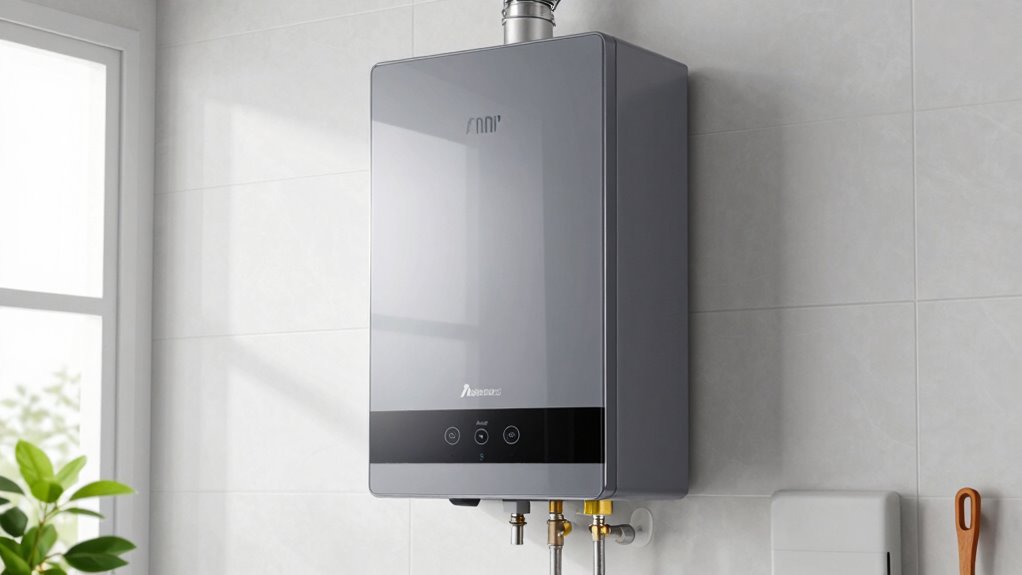

To protect your premium water heater, perform regular maintenance like flushing the tank and inspecting the anode rod annually. Keep it well-insulated to reduce heat loss and set the thermostat around 120°F for safety and efficiency. Use smart controls or timers to save energy during off-peak hours. Schedule professional inspections to catch issues early and get expert upgrades. Keep learning to find out more ways to extend your heater’s lifespan and keep it running smoothly.

Get home appliances delivered free — and shop member deals
- Fast, free delivery on millions of items
- Access to Prime Big Deal Days deals on October 6–7
- Prime Video, Amazon Music and more included
Key Takeaways
- Schedule regular professional inspections to identify and address early signs of wear or damage.
- Insulate the water heater thoroughly to reduce heat loss and extend its lifespan.
- Set the thermostat to around 120°F for safety, efficiency, and to prevent sediment buildup.
- Flush the tank periodically to remove mineral deposits and maintain optimal performance.
- Replace the anode rod annually to prevent corrosion and prolong the unit’s durability.
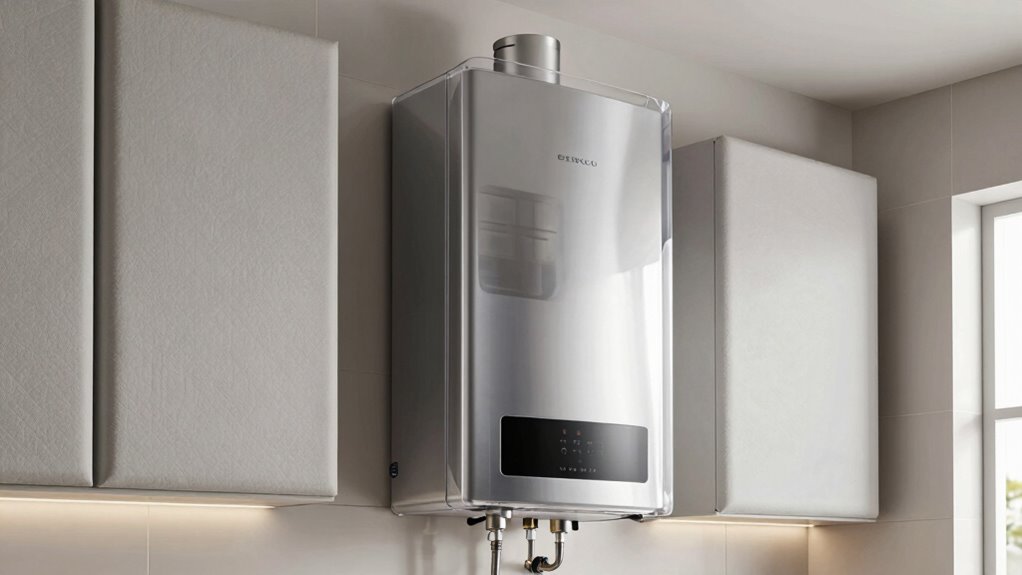
Protecting your premium water heater doesn’t have to be complicated or costly. In fact, taking simple steps can substantially improve its energy efficiency and extend its lifespan. Since your water heater is an essential part of your home’s comfort and efficiency, making sure it runs smoothly benefits both your energy bills and your peace of mind.
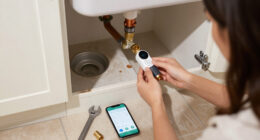
One of the most effective ways to safeguard your investment is by following crucial maintenance tips. Regularly flushing the tank helps remove mineral buildup that can impair performance and reduce energy efficiency. Sediment accumulation forces your heater to work harder, wasting energy and increasing wear. You should also check the anode rod annually—replacing it when it’s heavily corroded prevents rust from forming inside the tank, which can lead to leaks and costly repairs. Additionally, inspecting the temperature pressure relief valve ensures it operates correctly, providing safety and preventing potential water damage.
Maintaining proper insulation around your water heater is another essential tip. Proper insulation minimizes heat loss, helping your heater retain warmth more efficiently. This not only conserves energy but also reduces the workload on your unit, prolonging its service life. When inspecting your system, look for any signs of corrosion, leaks, or damaged wiring, and address issues promptly. Catching small problems early means fewer repairs down the line and keeps your system operating at peak energy efficiency. Regularly monitoring system performance can help identify issues before they become major problems, and staying aware of energy conservation strategies can further enhance your savings. A well-maintained system is also less likely to develop corrosion or leaks, which can significantly impact its longevity.
To maximize your water heater’s performance, consider setting the thermostat to around 120°F. This temperature strikes a good balance between safety, energy efficiency, and providing sufficient hot water. Lowering the temperature reduces standby heat loss, which is especially important if you’re aiming to cut down on energy costs. If you have a newer model, you might also explore smart controls or timers that allow you to schedule heating cycles during times when energy rates are lower, further boosting efficiency. Regularly checking for sediment buildup can also improve performance and help prevent unnecessary strain on your system. Staying proactive with these maintenance tasks ensures your water heater continues to operate efficiently for years to come.
Finally, scheduling professional inspections every year or two can uncover potential issues before they turn into costly repairs. A trained technician can evaluate your system’s overall health, recommend upgrades, and ensure everything operates efficiently. By combining these maintenance tips with an active approach to energy efficiency, you’ll protect your premium water heater effectively. This proactive stance not only saves you money but also guarantees you’ll continue enjoying reliable hot water whenever you need it.
water heater anode rod replacement kit
As an affiliate, we earn on qualifying purchases.
As an affiliate, we earn on qualifying purchases.
Frequently Asked Questions
How Often Should I Perform Maintenance on My Premium Water Heater?
You should perform maintenance on your premium water heater at least once a year. Stick to a regular maintenance schedule and check the inspection frequency recommended by the manufacturer. During maintenance, flush the tank to remove sediment, inspect for leaks, and test the pressure relief valve. Regular upkeep guarantees your heater runs efficiently, extends its lifespan, and helps prevent costly repairs down the line.
Are There Specific Signs Indicating My Water Heater Needs Immediate Repair?
If your water heater shows signs like strange noises, a drop in water temperature, or leaks, it’s time for emergency repair. These signs indicate issues that could shorten its lifespan and require immediate attention. Don’t ignore these warning signals, as delaying repairs can lead to further damage. Regular maintenance helps prevent emergencies, but staying alert to these signs guarantees your water heater’s longevity and reliable performance.
What Are the Long-Term Benefits of Regular Water Heater Protection?
Think of your water heater as a steady guardian of comfort; regular protection keeps it humming smoothly over the years. By maintaining it, you enhance energy efficiency, reducing unnecessary energy drain. This proactive approach also leads to cost savings, as you’ll avoid expensive repairs or replacements. Over time, your water heater remains reliable, saving you money and energy, and ensuring continuous comfort without interruption.
Can I Install Protection Measures Myself or Should I Hire a Professional?
You can install protection measures yourself if you have DIY safety skills and some plumbing knowledge, but it’s often best to hire a professional for proper installation. Doing it yourself may save money upfront, but a professional guarantees correct setup, reducing future repair costs. Consider the cost comparison—professional installation might seem pricier initially, but it provides peace of mind and long-term savings by preventing potential issues caused by improper DIY work.
What Is the Typical Lifespan of a Premium Water Heater With Proper Protection?
A premium water heater, when protected properly, can dance gracefully through 10 to 15 years, like a seasoned performer on stage. You’ll see its energy efficiency shine, saving you money and conserving resources. With the right safeguards, you extend its lifespan and maximize cost savings. Think of it as giving your heater a shield, ensuring it continues to deliver hot water efficiently, keeping your home cozy and your wallet happy.
As an affiliate, we earn on qualifying purchases.
Conclusion
Think of protecting your premium water heater like tending to a delicate garden—regular care keeps everything blooming. With the right maintenance and safeguards, you’ll guarantee your heater runs smoothly and lasts for years. Don’t wait for a leak or breakdown to remind you of its importance. By taking proactive steps today, you’re nurturing a reliable water source that keeps your home comfortable and stress-free. Protecting your investment is the key to endless warm water without worries.
As an affiliate, we earn on qualifying purchases.
As an affiliate, we earn on qualifying purchases.
NFL season / tailgating Picks
team gear
As an affiliate, we earn on qualifying purchases.