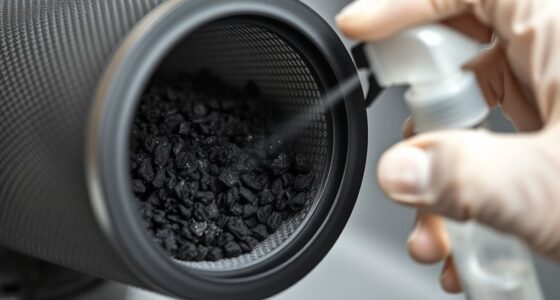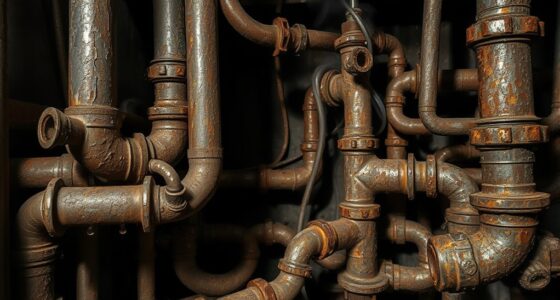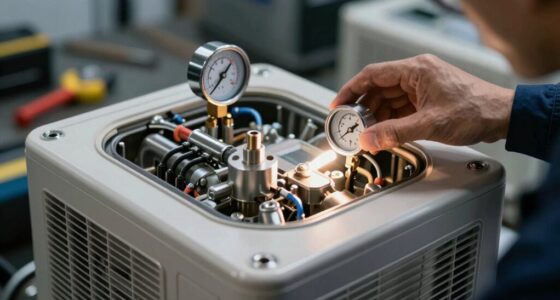

If your water has a rotten egg smell, start by inspecting your plumbing for signs of corrosion or leaks, and test the water for bacteria and contaminants. Installing aeration, chlorination, or filtration systems can help eliminate hydrogen sulfide and odor-causing bacteria. Professional evaluations are essential to identify the root cause and recommend the best treatment options. To fully understand how to restore safe, odor-free water, consider the important steps detailed below.

Get home appliances delivered free — and shop member deals
- Fast, free delivery on millions of items
- Access to Prime Big Deal Days deals on October 6–7
- Prime Video, Amazon Music and more included
Key Takeaways
- Inspect plumbing and well systems for corrosion, leaks, or contamination sources causing hydrogen sulfide buildup.
- Test water for bacteria, sulfur compounds, and other contaminants to identify the odor source.
- Install aeration, chlorination, or filtration systems tailored to remove hydrogen sulfide and related odors.
- Consider professional evaluation for thorough inspection and proper treatment recommendations.
- Regularly maintain and test your water to ensure ongoing safety and odor-free quality.

If your water suddenly smells like rotten eggs, it’s a clear sign that something is wrong with your supply. This unpleasant odor often indicates the presence of hydrogen sulfide gas, which can develop in your plumbing or well system. To address this issue, you need to act promptly and understand the underlying causes. The first step is to contemplate water treatment options, as these can effectively eliminate the foul smell and improve your water quality. Installing a specialized water treatment system, such as an aeration or chlorination unit, can remove the hydrogen sulfide gas, making your water safe and odor-free. However, before making any changes, it’s essential to determine the root cause of the problem through a thorough plumbing inspection.
Sudden rotten egg smell indicates hydrogen sulfide in your water; consider treatment and inspection to resolve the issue.
A plumbing inspection helps identify whether the odor stems from bacterial growth, corroded pipes, or a contaminated well. Sometimes, the smell results from bacteria that naturally occur in groundwater, especially if your water source is a private well. These bacteria can produce hydrogen sulfide as a metabolic byproduct, which leads to that rotten egg smell. During a plumbing inspection, a professional will check for any signs of pipe corrosion, leaks, or other issues that could be contributing to the problem. They may also test your water for bacteria and other contaminants, giving you a clearer picture of what needs to be treated. Regular water testing, especially if you rely on a private well, helps catch problems early before they worsen.
Once you’ve identified the cause, you can decide on the best water treatment method. If bacteria are responsible, shock chlorination or installing a UV water purifier can usually resolve the issue. For chemical or mineral buildup, filtration systems designed to remove sulfur compounds can do the trick. It’s crucial to follow professional advice and ensure your water system is properly maintained. Regular water testing, especially if you rely on a private well, helps catch problems early before they worsen. Additionally, understanding water quality concerns and their sources can guide you in selecting the most effective treatment solutions.
In addition to installing treatment systems, scheduling routine plumbing inspections is a smart move. These inspections can reveal hidden problems that may cause or worsen the odor, such as deteriorating pipes or well issues. Addressing these early can save you money and prevent future water quality concerns. Remember, untreated water with a rotten egg smell isn’t just unpleasant—it can also pose health risks if bacteria or other contaminants are involved. Taking swift action by combining water treatment and thorough plumbing inspections ensures your water remains clean, safe, and free from that offensive odor.
water aeration system for hydrogen sulfide removal
As an affiliate, we earn on qualifying purchases.
As an affiliate, we earn on qualifying purchases.
Frequently Asked Questions
Can Boiling Water Remove the Rotten Egg Smell?
Boiling water won’t remove the rotten egg smell, as the sulfur compounds causing the odor remain in the water. To fix this, you should start with water testing to identify the source of the sulfur. A plumbing inspection can help pinpoint if your pipes or water heater are the issue. Addressing the root cause is essential for long-term odor removal, rather than just boiling the water.
How Long Does It Take to Eliminate the Odor?
It typically takes a few hours to a few days for odor elimination after treatment, depending on the cause. If you use shock chlorination or a hydrogen peroxide treatment, you might notice improvements within 24 hours. However, complete odor elimination can take up to a week if the source is deep within the well or plumbing. Consistent flushing and proper treatment are key to speeding up the treatment timeline.
Is the Smell Harmful to Health?
You might think a rotten egg smell is just an annoying odor, but it can pose health risks if it persists. Hydrogen sulfide, responsible for the smell, can cause nausea or dizziness at high levels, though it’s rarely dangerous in typical household water. If the odor sticks around, avoid drinking or using the water for cooking until you identify and fix the source. Better safe than sorry when it comes to your health.
Can a Water Softener Fix This Issue?
A water softener alone may not fix the rotten egg smell. You should consider water treatment options specifically designed to remove hydrogen sulfide, the culprit. Start with a plumbing inspection to identify the source of the odor, like sulfur bacteria or a contaminated well. Proper treatment, such as chlorination or aeration, combined with a water softener if necessary, can effectively eliminate the smell and improve your water quality.
Should I Replace My Water Heater Immediately?
You shouldn’t replace your water heater immediately. Instead, schedule a professional water heater inspection to identify the source of the rotten egg smell. Often, sediment buildup or anode rod issues cause odor problems. Addressing these can prevent future issues. Regular maintenance and proper odor prevention measures help extend your heater’s lifespan. If problems persist despite inspection and maintenance, then consider replacement to ensure safe, fresh-smelling water.
water chlorination system for well water
As an affiliate, we earn on qualifying purchases.
As an affiliate, we earn on qualifying purchases.
Conclusion
Dealing with that rotten egg smell in your water can feel like trying to tame a wild storm, but remember, solutions are within reach. By testing your water, inspecting your plumbing, and considering treatment options, you can clear away the foul odor and restore freshness to your water. Think of it as opening a window after a storm—letting in fresh air and sunshine, so your water flows pure and clean once again.
As an affiliate, we earn on qualifying purchases.
water filtration system for sulfur removal
As an affiliate, we earn on qualifying purchases.
As an affiliate, we earn on qualifying purchases.
Fall Picks
fall essentials
As an affiliate, we earn on qualifying purchases.