
A bypass valve is a device that redirects fluid flow around a system component, helping you maintain proper pressure and system stability. It acts as a shortcut during installation or when maintenance is needed, allowing the system to keep running smoothly. These valves are essential in regulating pressure and preventing leaks or failures. To learn more about their types, uses, and safety tips, keep exploring the key features and applications.
Key Takeaways
- Bypass valves redirect fluid flow around system components to allow maintenance or pressure regulation.
- They operate via spring-loaded or manual mechanisms, ensuring continuous system operation during adjustments.
- Bypass valves help maintain consistent pressure, preventing system failures and damage from pressure spikes.
- Proper installation, maintenance, and material choice are essential for safe and efficient bypass valve performance.
- Key features include durability, compatibility, easy adjustments, and corrosion resistance for long-term reliability.
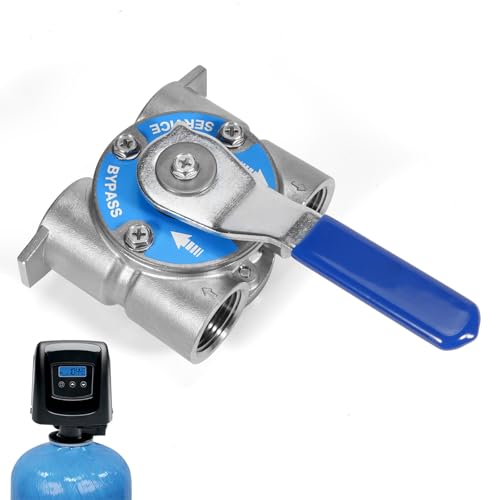
Rendrox 3/4" NPT Stainless Steel Bypass Valve Compatible with Fleck Control Heads 5600 5600SXT 5600SE 4650 2510 5800 6600 6700 9000 9100 Water Softeners, Replace 60040SS
【WIDE COMPATIBILITY】Direct replacement for Fleck 5600 / 5600SXT / 5600SE / 4650 / 2510 / 5800 / 6600…
As an affiliate, we earn on qualifying purchases.
As an affiliate, we earn on qualifying purchases.
What Is a Bypass Valve and How Does It Work?
A bypass valve is a device that redirects fluid flow around a main component or system when necessary. When you’re installing a valve, choosing the right bypass valve materials is vital for durability and compatibility with your fluid. During valve installation, the bypass valve acts as a shortcut, allowing fluid to bypass a system part that needs maintenance or is malfunctioning. It operates with a simple mechanism, often a spring-loaded or manually operated switch, that opens or closes the flow path as needed. This setup guarantees your system stays operational without interruption. Properly selecting materials like stainless steel, brass, or plastic ensures the bypass valve withstands pressure, temperature, and corrosive elements. Using appropriate material selection for bypass valves enhances their longevity and performance in various environmental conditions. This makes it a reliable, essential part of your fluid system.

Valley Industries Pressure Relief Valve – 400 PSI, 15 GPM, 3/4" Ports
Featuring 3/4" MNPT inlet & 3/4" FNPT outlets
As an affiliate, we earn on qualifying purchases.
As an affiliate, we earn on qualifying purchases.
Why Are Bypass Valves Important in Fluid Systems?
Bypass valves are essential because they help you control fluid flow and maintain system stability. They also protect equipment by preventing pressure buildup or sudden changes. Without them, your system risks inefficiency and potential failure. Properly functioning bypass valves can prevent system damage by redirecting flow when necessary, ensuring reliable operation of your fluid system.
Flow Regulation and Control
Have you ever wondered how fluid systems maintain peak performance under varying conditions? Bypass valves play a crucial role in flow regulation and control by adjusting flow paths to match changing system demands. They help manage flow dynamics, ensuring consistent pressure and flow rates across different operating states. The materials used in valves are vital—they need to withstand temperature fluctuations, corrosion, and pressure surges to maintain reliable control. Properly designed bypass valves allow you to fine-tune flow, prevent overloads, and optimize system efficiency. Without these valves, systems could experience unstable flow, increased wear, or damage. By controlling how and where fluid moves, bypass valves help keep your system running smoothly, even when conditions shift unexpectedly. Understanding valve materials is essential for selecting the right components that can endure harsh environments and ensure long-term reliability.
System Safety Assurance
Effective flow regulation through bypass valves directly impacts system safety by preventing pressure buildup and potential failures. These valves serve as a pressure relief, ensuring the system doesn’t exceed safe operational limits. When pressure becomes too high, bypass valves open to divert fluid, reducing stress on pipes and equipment. The choice of valve materials is vital for safety; they must withstand corrosive fluids, high temperatures, and pressure spikes without failing. Using durable, compatible materials minimizes the risk of leaks or rupture. Properly maintained bypass valves provide reliable pressure relief, protecting personnel and infrastructure. Additionally, selecting the right valve design can optimize flow control and safety features. Without them, sudden pressure surges could cause catastrophic failures, endangering lives and causing costly damage. As a result, bypass valves are essential components in ensuring fluid system safety and operational integrity.

QWORK Solid Brass 5/8" 4-Way Heater Control Valve with Switch, 16mm Hose Barb Automotive Bypass
Efficient Climate Control: The valve improves vehicle cooling efficiency by controlling air conditioning air flow, reducing heat circulation.
As an affiliate, we earn on qualifying purchases.
As an affiliate, we earn on qualifying purchases.
Different Types of Bypass Valves and Their Uses

Different types of bypass valves serve specific functions in various industrial systems, allowing for seamless control and maintenance. For example, globe bypass valves are ideal for precise regulation during valve installation, while ball bypass valves provide quick shut-off capabilities. Pressure relief bypass valves protect systems by releasing excess pressure, and check bypass valves prevent backflow. Selecting the right type depends on your system’s needs, especially when it comes to bypass valve sizing. Proper sizing ensures ideal flow and prevents pressure drops or surges. Use the table below to identify which bypass valve suits your application: bypass valve sizing
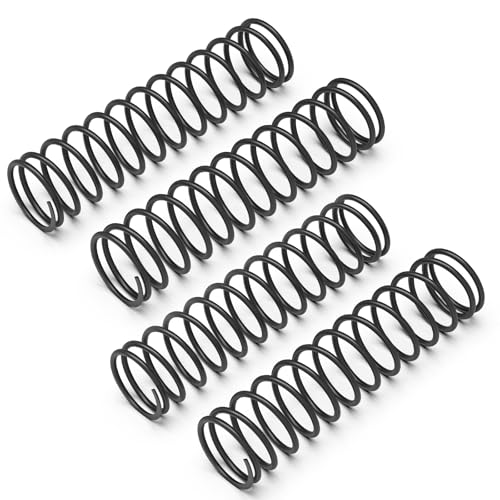
4758-2 Valve Checking Springs – Low Tension Checking Springs for Measuring Piston-to-valve Clearance and Rocker Ratio -4 Packs
【Low Tension Checking Springs】4758-2 Valve Check Spring Tension Low can be installed by hand instead of valve springs….
As an affiliate, we earn on qualifying purchases.
As an affiliate, we earn on qualifying purchases.
How to Identify When a Bypass Valve Is Needed
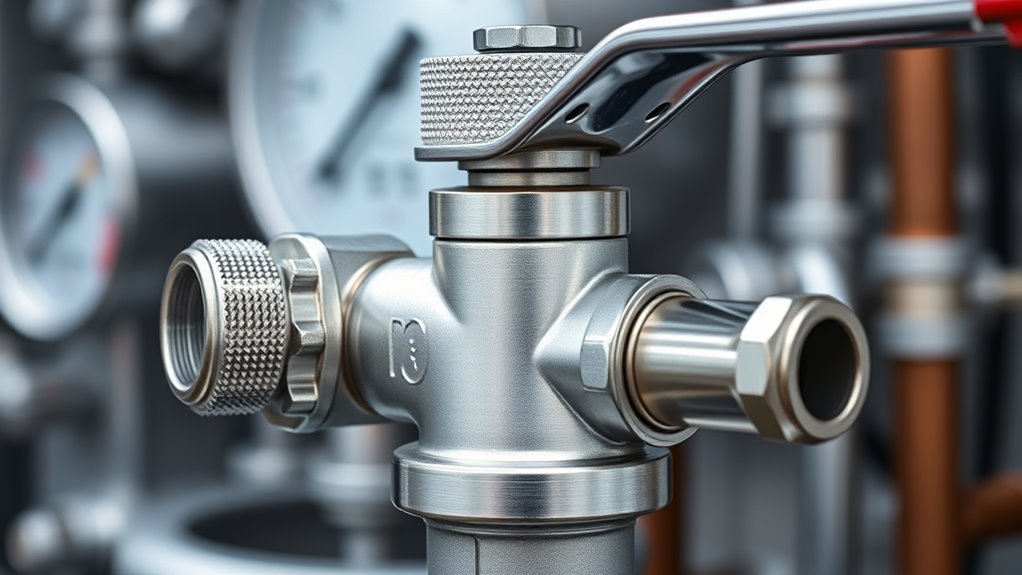
Wondering when to install a bypass valve? You’ll need one when pressure sensing indicates fluctuations that could damage equipment or disrupt flow. If you notice sudden pressure drops or spikes during operation, it’s a sign that a bypass valve might be necessary to regulate pressure smoothly. Proper valve installation helps maintain system stability and prevents overpressure conditions. Pay attention to your system’s pressure readings; if they’re inconsistent or exceed safe limits, adding a bypass valve can provide a controlled path for fluid or gas. This ensures your system functions efficiently without risking damage. Recognizing these signs early allows for timely installation, maintaining ideal performance and safety. In short, whenever pressure sensing reveals instability, it’s time to think about a bypass valve.
Common Applications of Bypass Valves in Industry
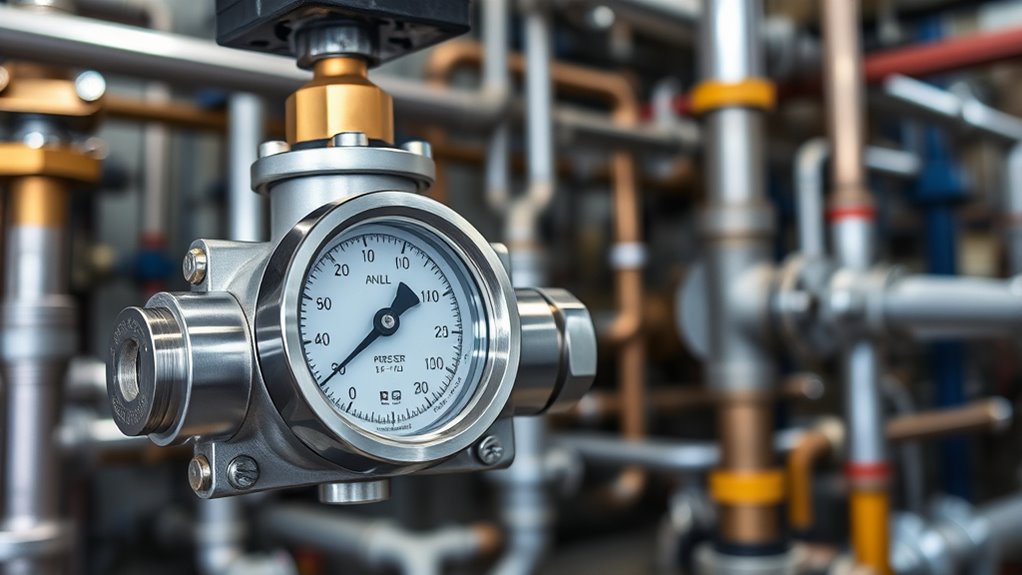
You’ll often find bypass valves used to regulate hydraulic systems, ensuring smooth operation and preventing damage. They also play a critical role in maintaining pressure control within pipelines, avoiding overpressure situations. Understanding these common applications helps you choose the right bypass valve for your industry needs. Additionally, selecting a vetted bypass valve ensures reliability and optimal performance in various industrial settings.
Hydraulic System Regulation
Hydraulic systems rely on bypass valves to maintain ideal pressure and flow, preventing damage and ensuring smooth operation. These valves help regulate pressure relief, avoiding pressure spikes that could harm components or cause system failure. By redirecting excess fluid, bypass valves keep the system running at peak efficiency, reducing energy waste and wear on parts. In industrial settings, they’re essential for maintaining consistent performance under varying load conditions. Proper regulation minimizes downtime and extends equipment lifespan. You can trust bypass valves to stabilize hydraulic pressure, ensuring reliable operation. This control also helps prevent leaks and overheating, safeguarding your system’s integrity. Overall, their role in hydraulic system regulation is crucial for maintaining safe, efficient, and continuous industrial processes. Additionally, high-quality equipment can further enhance system reliability and longevity.
Pressure Control in Pipelines
How do bypass valves enhance pressure control in industrial pipelines? They help maintain safe pressure levels through pressure relief, preventing overpressure damage. By diverting excess flow, bypass valves provide system redundancy, ensuring continuous operation even during maintenance or failure. This setup minimizes downtime and protects equipment. Consider the following applications:
| Application | Benefit |
|---|---|
| Pressure Relief | Prevents overpressure |
| System Redundancy | Ensures continuous flow |
| Emergency Shutdown | Rapid response to issues |
| Flow Regulation | Maintains steady pressure |
| Maintenance Access | Easy pipeline servicing |
Bypass valves optimize pressure control, reduce risks, and improve system reliability in industrial pipelines. Proper installation is essential to ensure these benefits are fully realized.
How Do You Maintain and Troubleshoot Bypass Valves?
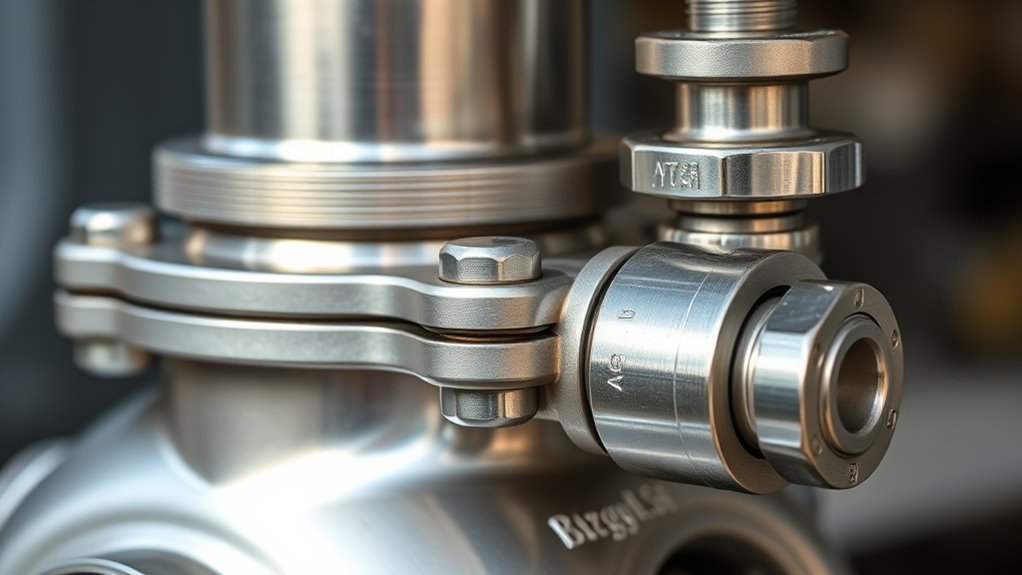
Regular maintenance and troubleshooting are essential to keep bypass valves functioning properly and prevent system failures. Start with routine maintenance procedures like inspecting for leaks, corrosion, or debris buildup, and lubricating moving parts as needed. Guarantee the valve operates smoothly by manually testing its open and close functions periodically. When troubleshooting, check for common issues such as stuck valves, unusual noises, or inconsistent pressure readings. Use troubleshooting techniques like verifying valve alignment, inspecting seals, and confirming actuator performance. Keep detailed records of maintenance activities and issues detected. Address problems promptly to prevent further damage or system downtime. Proper upkeep ensures the bypass valve remains reliable, efficient, and ready to perform when needed. Additionally, referring to retail hours can help ensure you perform maintenance during operational hours when assistance is available.
What Are the Key Features to Look for in a Bypass Valve?
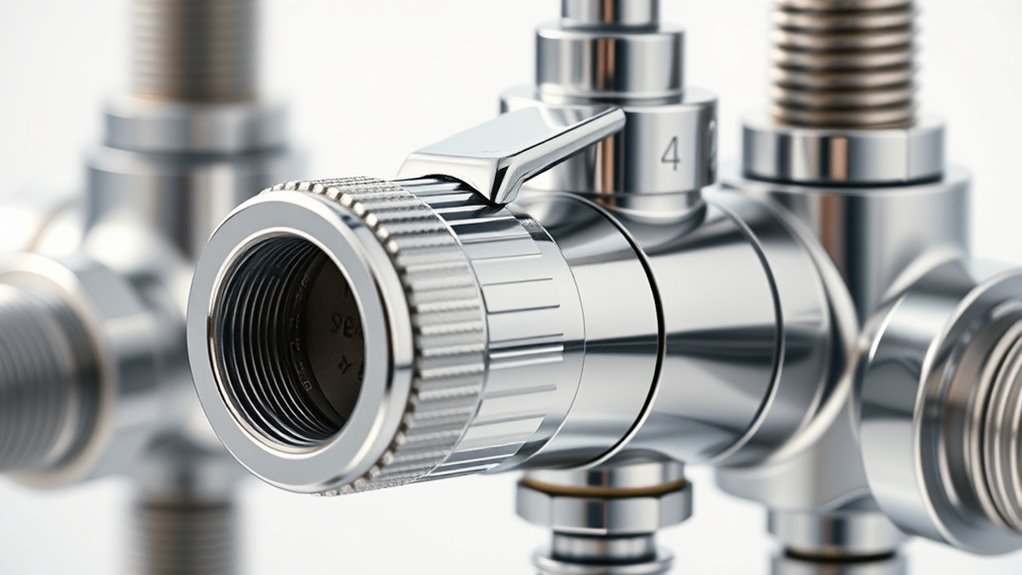
When selecting a bypass valve, it’s important to focus on key features that guarantee reliable and efficient operation. First, consider the valve materials; durable options like stainless steel or brass resist corrosion and handle high pressures. These materials ensure longevity and reduce maintenance needs. Second, pay attention to installation methods—choose a design that fits easily into your system and allows straightforward setup. Proper installation minimizes leaks and ensures smooth operation. Look for valves with clear markings, ease of adjustment, and compatible connection types. Additionally, high-quality materials and simple installation processes contribute to overall system reliability. Prioritizing these features helps you select a bypass valve that functions effectively, withstands operational stresses, and integrates seamlessly into your setup. Understanding the contrast ratio of the valve can also help in evaluating its performance in different scenarios.
The Role of Bypass Valves in Pressure Regulation
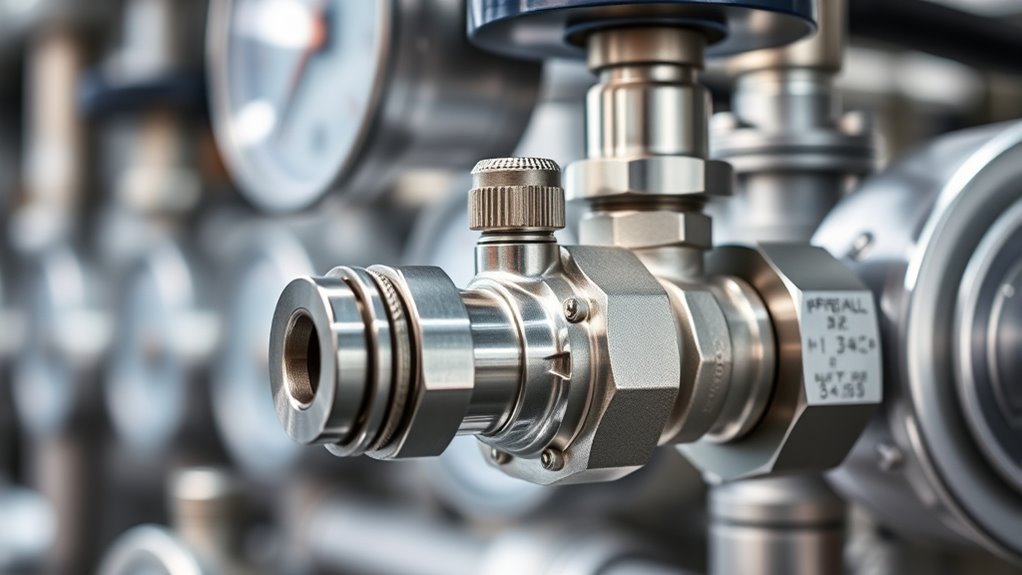
Bypass valves play a crucial role in maintaining consistent pressure within a system by diverting excess fluid when needed. They enable pressure balancing by redirecting flow away from areas experiencing high pressure, preventing damage or system failure. When pressure rises beyond safe limits, the bypass valve opens, allowing fluid to flow diversion paths, reducing the load on the main system. This process ensures steady operation and protects equipment. You’ll find bypass valves essential in applications like hydraulic systems, plumbing, and industrial machinery. Their ability to quickly respond to pressure fluctuations helps maintain ideal performance. By controlling flow diversion precisely, bypass valves keep your system stable, preventing pressure spikes that could cause leaks, bursts, or other failures.
Safety Considerations With Bypass Valves
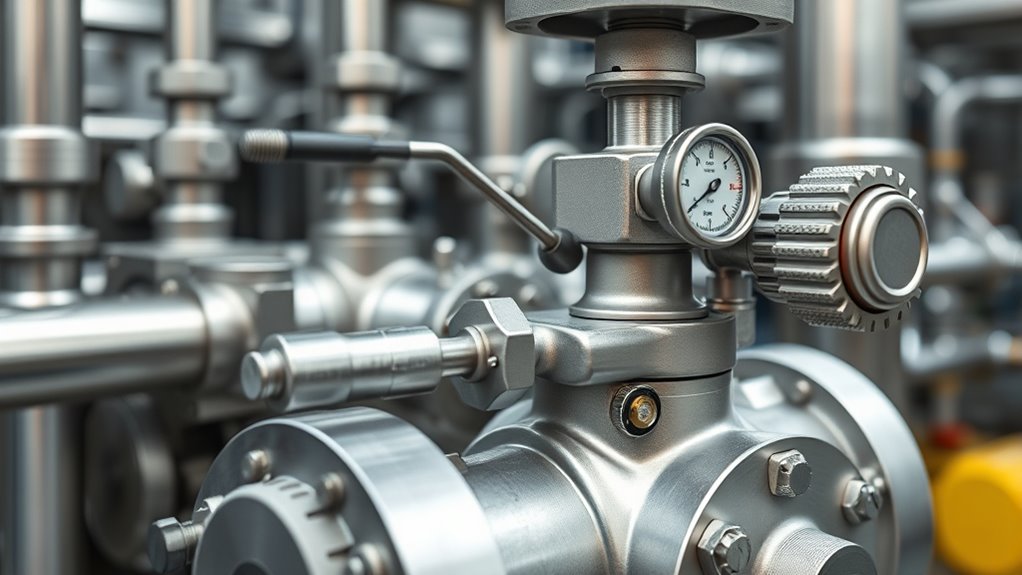
While bypass valves are essential for system safety, improper installation or maintenance can lead to serious risks. You must prioritize pressure safety by ensuring valves are correctly installed and regularly inspected. Neglecting valve inspection can result in leaks, pressure buildup, or failure during operation. To emphasize this, consider the following:
| Risk | Cause | Prevention |
|---|---|---|
| Pressure buildup | Faulty valve or blockage | Regular valve inspection |
| Leakage | Worn seals or corrosion | Scheduled maintenance |
| Unexpected failure | Improper installation | Proper training and checks |
| System shutdown | Valve malfunction | Routine safety assessments |
Always keep safety top of mind, verify valve integrity, and adhere to pressure safety standards to prevent accidents.
How to Choose the Right Bypass Valve for Your System
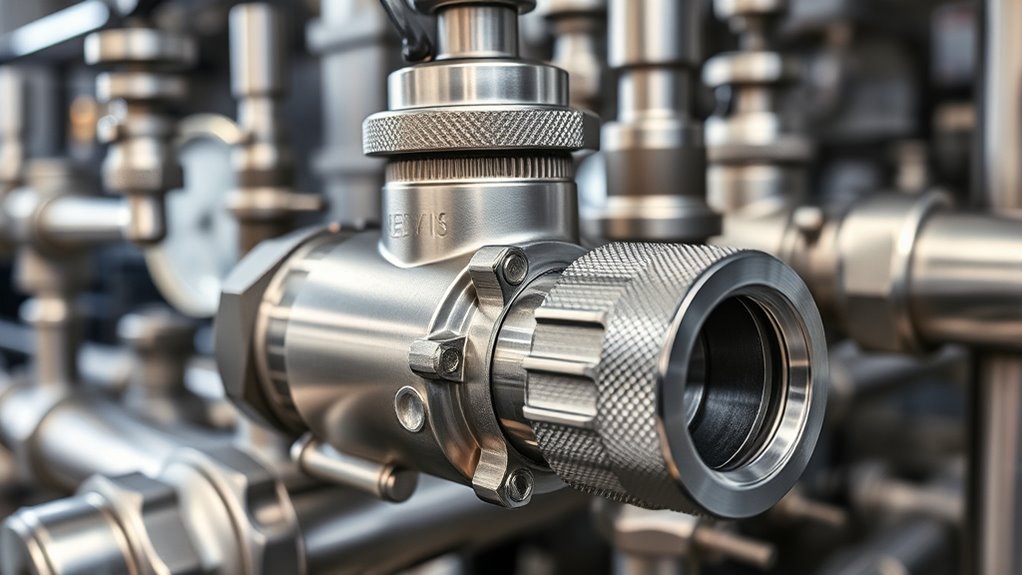
Choosing the right bypass valve for your system starts with understanding your specific operational requirements. Consider the fluid type, pressure, temperature, and flow rate to determine the appropriate material selection. For corrosive or high-temperature fluids, choose materials like stainless steel or bronze to guarantee durability. Next, review installation guidelines to confirm proper fit and compatibility with your existing setup. Proper installation affects performance and safety, so follow manufacturer instructions closely. Think about the valve’s size, connection type, and control mechanism to match your system’s needs. By balancing material choices with correct installation practices, you secure ideal operation, longevity, and safety of your bypass valve. Taking these factors into account helps you select a valve that performs reliably under your specific conditions.
Frequently Asked Questions
Can Bypass Valves Be Used in High-Temperature Systems?
Yes, you can use bypass valves in high-temperature systems, but you need to contemplate their temperature tolerance and material compatibility. Choose valves specifically designed for high temperatures, ensuring they can withstand the system’s operating conditions. Verify that the materials used are compatible with the fluids and temperature levels involved. Proper selection helps prevent failure, leaks, or damage, ensuring reliable operation in demanding high-temperature environments.
Are There Environmental Considerations When Installing Bypass Valves?
Think of installing bypass valves as planting a garden—every choice impacts the environment. You need to contemplate environmental impact, making sure your setup doesn’t harm nearby ecosystems. Regulatory compliance acts like a guiding fence, ensuring you meet all environmental standards. By choosing eco-friendly materials and proper installation, you safeguard nature while keeping your system running smoothly, turning your project into a responsible, sustainable effort that benefits everyone involved.
How Do Bypass Valves Affect Overall System Efficiency?
Bypass valves improve overall system efficiency by allowing you to regulate pressure and optimize flow. When you use a bypass valve, you can divert excess fluid, reducing strain on the main system components. This helps maintain consistent pressure levels and minimizes energy waste. As a result, your system operates smoothly, saving energy and extending equipment lifespan, ultimately boosting efficiency and reducing operational costs.
Can Bypass Valves Be Automated or Remotely Controlled?
Did you know that over 60% of bypass valves today can be automated? You can easily integrate control mechanisms for remote operation, allowing you to manage them from afar. This setup improves system responsiveness and reduces manual intervention. With automated or remotely controlled bypass valves, you gain better system flexibility, quick adjustments, and enhanced safety, making your operations more efficient and less labor-intensive.
What Are the Common Materials Used in Bypass Valve Construction?
You’ll find that common materials used in bypass valve construction include stainless steel, brass, and bronze, chosen for their durability and resistance to corrosion. Stainless steel offers excellent material durability, making it ideal for harsh environments, while brass and bronze provide good corrosion resistance at a lower cost. Selecting the right material guarantees your bypass valve remains reliable over time, even in demanding conditions where corrosion could compromise performance.
Conclusion
Think of a bypass valve as the steady heartbeat of your fluid system, guiding pressure and flow with quiet precision. When it senses imbalance, it opens a path, like a gentle river rerouting around obstacles. Trusting this small but essential component keeps your system balanced and safe, ensuring smooth operation. Embrace its role as your system’s guardian—a silent guardian that flows with purpose, maintaining harmony beneath the surface.