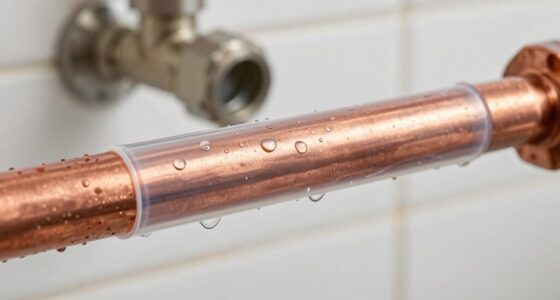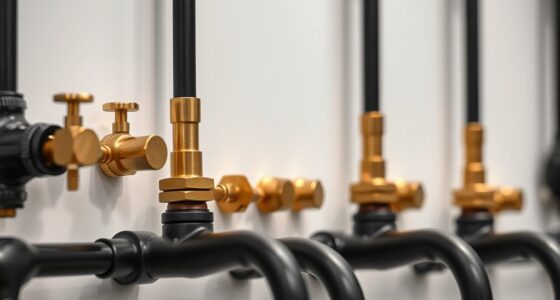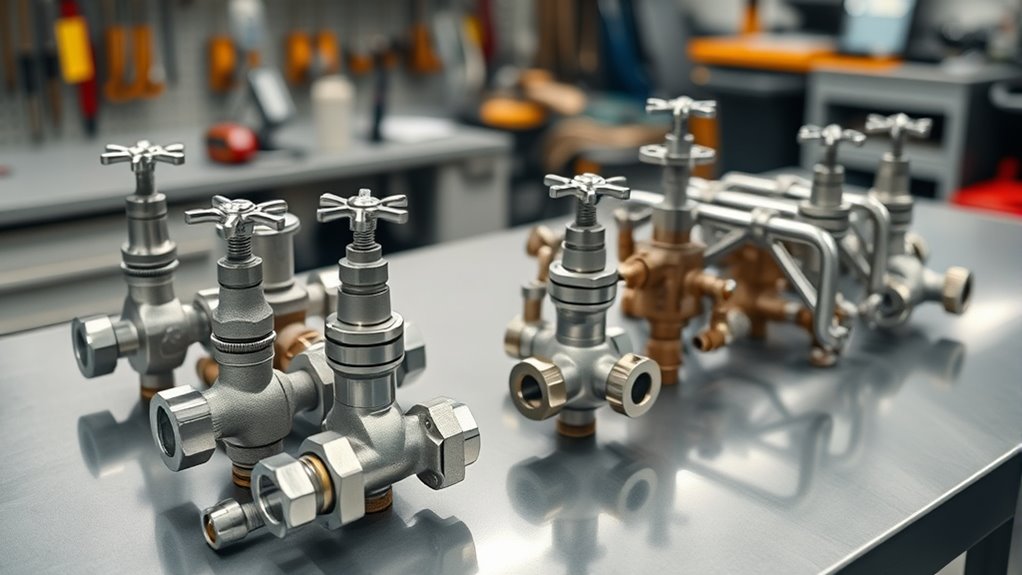

To design valving layouts that make sense, do position valves close to the components they control and keep lines simple and clear for easy troubleshooting. Avoid crisscrossed piping and unnecessary lengths, which cause pressure drops and confusion. Use compatible materials to prevent leaks and corrosion, and size valves properly to maintain flow and pressure. Following these guidelines improves system efficiency and reliability—continue exploring how to perfect your hydraulic setup for ideal results.

Get home appliances delivered free — and shop member deals
- Fast, free delivery on millions of items
- Access to Prime Big Deal Days deals on October 6–7
- Prime Video, Amazon Music and more included
Key Takeaways
- Do position valves close to controlled components for easier operation and quicker response.
- Do design layouts that minimize pipe length and avoid crisscrossing lines to reduce turbulence.
- Do select valve materials compatible with your system fluid to prevent corrosion and leaks.
- Do size valves appropriately to ensure smooth flow and prevent pressure drops.
- Do avoid complex, convoluted piping; opt for straightforward, accessible arrangements for maintenance ease.
Optimizing Valve Layouts for Hydraulic Efficiency
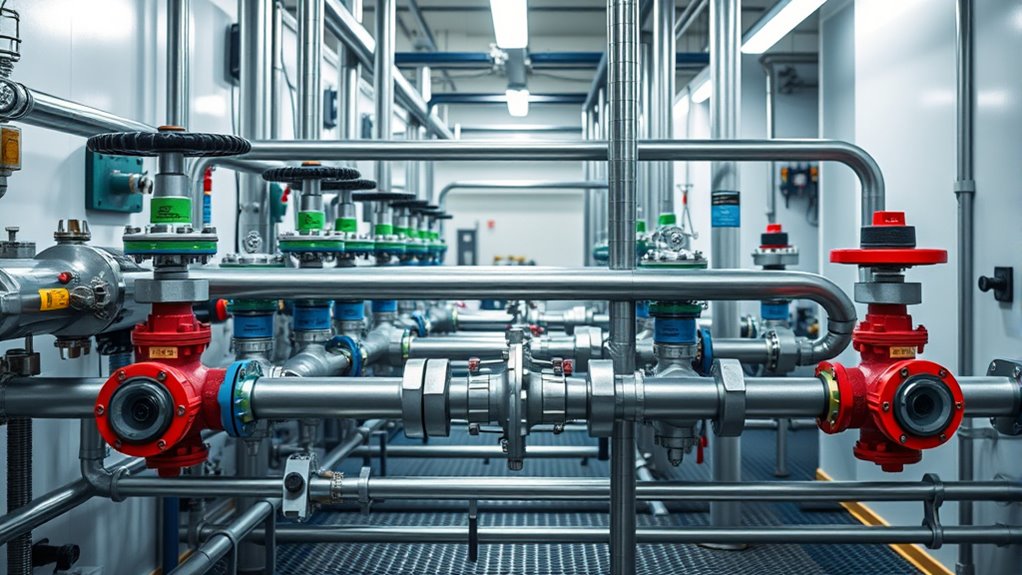
Are your valve layouts causing unnecessary confusion or inefficiency? If so, it’s time to reevaluate how you’re arranging your valves to optimize hydraulic flow and guarantee smooth operation. A well-designed valving setup minimizes pressure drops, reduces wear, and simplifies maintenance, saving you both time and money. One key aspect often overlooked is selecting the right valve materials; choosing materials compatible with your system’s fluid can prevent corrosion, leaks, and premature failure. Matching valve materials to your application ensures longevity and maintains hydraulic flow efficiency, preventing blockages or flow restrictions caused by incompatible or degraded components.
Selecting compatible valve materials prevents corrosion, leaks, and failures, ensuring reliable, efficient hydraulic system performance.
When designing your valving layout, focus on creating a logical, straightforward configuration. Avoid crisscrossing lines or placing valves in hard-to-reach locations. Instead, position valves close to the components they control, making it easier to operate and troubleshoot. This approach improves hydraulic flow by reducing unnecessary pipe length and turbulence, which can cause pressure drops. Think about how your system operates in real-world conditions—plan for ease of access, clear labeling, and minimal piping complexity. This way, you reduce the risk of errors during operation or maintenance, guaranteeing your system works seamlessly.
Choosing the right valve materials is essential. For hydraulic systems handling high pressures or aggressive fluids, materials like stainless steel or brass might be ideal due to their durability and resistance to corrosion. For less demanding applications, plastics or composites could suffice, offering cost savings without sacrificing performance. Always consider the compatibility of valve materials with your hydraulic fluid—using incompatible materials can lead to swelling, cracking, or clogging, disrupting hydraulic flow and causing system downtime. Proper material selection also helps prevent leaks and extends the lifespan of your valves, contributing to overall system reliability.
Another important factor is guaranteeing your valves are appropriately sized. Oversized valves can cause sluggish response times, while undersized ones lead to excessive pressure drops. Proper sizing maintains consistent hydraulic flow and pressure, which is essential for system performance. Additionally, integrating flow controls and pressure relief valves into your layout helps manage hydraulic flow effectively, preventing surges or drops that could damage components or impair operation.
Frequently Asked Questions
How Do Valve Layouts Impact System Maintenance Complexity?
Your valve layout considerably impacts system maintenance by affecting valve accessibility and layout flexibility. When valves are easy to reach, you can perform inspections and repairs faster, reducing downtime. Flexible layouts allow you to adapt to future system changes without major overhauls. Poorly designed valve arrangements complicate maintenance tasks, increase labor time, and raise costs. Prioritizing accessible, adaptable layouts ensures smoother, more efficient system upkeep.
Can Valve Placements Affect Hydraulic Fluid Contamination Risks?
Yes, valve placements can considerably impact hydraulic fluid contamination risks. Properly positioned valves help prevent contamination by minimizing exposure to dirt, dust, and debris, which can compromise fluid purity. When you place valves strategically, you reduce the chance of introducing contaminants into the system, ensuring better contamination prevention. This not only extends fluid life but also maintains system efficiency and reliability, making maintenance easier and more effective.
What Are the Cost Implications of Different Valve Configurations?
You might think all valve configurations cost the same, but they don’t. A straightforward setup often offers lower initial installation costs, saving you money upfront. However, more complex layouts can reduce long-term maintenance expenses and improve efficiency. When doing a cost comparison, consider both installation costs and ongoing maintenance. Balancing these factors helps you choose a configuration that fits your budget today and saves you money in the future.
How Does Valve Arrangement Influence System Downtime?
Valve arrangement profoundly impacts system downtime by affecting how quickly you can perform maintenance or address issues. Proper placement of pressure relief valves and flow control valves allows you to isolate sections efficiently, reducing overall downtime. When valves are well-organized, you spend less time troubleshooting and more time maintaining system integrity. This setup ensures that pressure relief is managed effectively and flow control remains reliable, minimizing disruptions and keeping your system running smoothly.
Are There Industry Standards for Valve Layout Optimization?
Think of industry standards for valve layout optimization like a well-choreographed dance, guiding your steps. They do exist, recommending best practices for valve material selection and actuation methods to streamline operations and reduce downtime. While specific standards vary across industries, following these guidelines helps guarantee safety, reliability, and efficiency. You should consult relevant codes, such as API or ISA standards, to tailor your valve layout to your system’s unique needs.
Conclusion
By choosing the right valve layout, you set the stage for smooth hydraulic flow, like a well-conducted orchestra. Remember, a thoughtful design keeps your system humming efficiently, saving you time and trouble. Don’t let poor setups be the weak link—optimize now and watch your system run like a finely-tuned engine. When you make smart choices, you’re steering your hydraulic system toward peak performance, ensuring it performs reliably just like a ship sailing steady on calm waters.
Fall yard work Picks
leaf blowers
As an affiliate, we earn on qualifying purchases.