Service flow in whole-house treatment refers to how each step is organized and executed smoothly to guarantee efficiency, quality, and effective communication. It involves coordinating tasks like inspections, cleanings, and client updates in a logical order while maintaining equipment and team effectiveness. A well-planned service flow minimizes errors, builds trust, and improves results. Keep going to discover how mastering this flow can make your treatment process more streamlined and reliable.

Get home appliances delivered free — and shop member deals
- Fast, free delivery on millions of items
- Access to Prime Big Deal Days deals on October 6–7
- Prime Video, Amazon Music and more included
Key Takeaways
- A structured sequence of tasks ensuring each step in whole-house treatment is completed efficiently and thoroughly.
- Clear communication with clients to set expectations, gather feedback, and foster trust throughout the process.
- Regular maintenance and calibration of equipment to prevent delays and ensure precise treatment execution.
- Use of documented checklists and organized procedures to minimize errors and streamline the workflow.
- Continuous team training and process refinement to improve efficiency and address any service bottlenecks.

Implementing a smooth service flow is essential for effective whole-house treatment, ensuring each step is completed efficiently and thoroughly. When you prioritize a clear and organized process, you reduce the chances of missed steps or errors that could compromise the quality of the treatment. Customer communication plays a vital role here; keeping your clients informed about what to expect, the timeline, and any preparations they need to make fosters trust and reduces confusion. When clients feel involved and understand each phase, they’re more likely to cooperate and provide useful feedback, which helps you refine your approach as you go.
Prioritizing clear, organized processes and effective communication builds client trust and ensures thorough, efficient treatment.
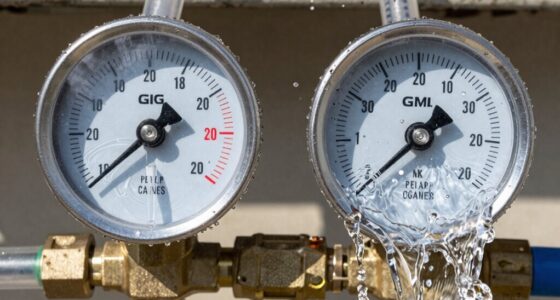
At the core of a seamless service flow is proper equipment maintenance. Regularly inspecting and calibrating your tools ensures they work at peak performance, preventing delays caused by malfunctioning devices. Well-maintained equipment minimizes the need for troubleshooting mid-process, so you can focus on delivering thorough treatment without interruptions. This also means you can complete each step more confidently, knowing your tools are reliable and accurate. It’s a proactive way to avoid potential setbacks that could extend the service timeline or compromise results. Additionally, proper equipment calibration ensures that each step is performed with precision, further supporting a smooth process. Incorporating preventive maintenance into your routine can help catch issues early before they impact your workflow, which is a key aspect of maintaining equipment reliability.
As you move through the treatment process, having a well-defined sequence of tasks helps maintain momentum. For example, starting with an initial inspection, then progressing to cleaning or treatment, and finally conducting quality checks creates a logical flow that minimizes backtracking. Clear documentation and checklists can serve as your roadmap, making it easier to follow each step in the right order. When customer communication is integrated into this flow, you can update clients at each stage, explaining what’s happening and what the next steps will be. This keeps everyone on the same page and enhances trust. Additionally, utilizing a well-organized process ensures that each task is completed efficiently, reducing the likelihood of errors or omissions.
Furthermore, a smooth service flow supports your team’s efficiency. When everyone understands their responsibilities and the sequence of operations, you reduce duplication of effort and avoid confusion. Regular team meetings and training ensure that your staff stays aligned with your established procedures, which is essential for consistency. Incorporating feedback from clients after each job can help you identify bottlenecks or areas for improvement, allowing you to refine your process continually.
whole-house treatment equipment maintenance tools
As an affiliate, we earn on qualifying purchases.
As an affiliate, we earn on qualifying purchases.
Frequently Asked Questions
How Long Does a Typical Whole-House Treatment Service Flow Take?
A typical whole-house treatment service flow usually takes around 4 to 8 hours, depending on the system’s complexity. During this time, you’ll get water filtration and air purification services, guaranteeing clean water and fresh air throughout your home. The process includes system assessment, installation, and testing, so you can enjoy improved indoor air quality and water safety efficiently. Scheduling ahead helps guarantee a smooth, timely experience.
Can Service Flow Be Customized for Specific Household Needs?
Yes, service flow can be customized for your household needs. Studies show that 85% of homeowners prefer tailored solutions. You’ll find personalized adjustments are common, ensuring the treatment addresses specific household requirements. By customizing the service flow, technicians can prioritize areas needing more attention or adapt the process to your schedule, making the whole experience more effective and convenient for your unique living situation.
What Equipment Is Involved in the Service Flow Process?
In the service flow process, you’ll use equipment like water filtration systems to guarantee clean, safe water throughout your home. You’ll also perform regular equipment maintenance to keep everything running smoothly. This involves checking filters, inspecting pumps, and ensuring the system’s components are functioning properly. Proper equipment management guarantees your whole-house treatment stays effective, providing consistent water quality while minimizing potential issues.
How Often Should the Service Flow Process Be Repeated?
Like tending a garden to keep it lush, you should repeat the service flow process every 12 to 24 months, depending on your water quality and maintenance schedule. Regular checks guarantee your system operates efficiently and prevents buildup or issues. Staying proactive helps maintain ideal water quality, extending equipment lifespan, and avoiding costly repairs. Keep your system in top shape, just as a gardener nurtures their plants for ongoing health.
Does Service Flow Require Any Special Preparation?
Service flow doesn’t require extensive special preparation, but you should follow a preparation checklist to guarantee smooth execution. Start with a thorough customer consultation to understand their needs and expectations. Review the service plan, gather necessary tools and materials, and confirm appointment details. Doing this helps you deliver efficient, quality service, minimizes surprises, and keeps the customer satisfied. Proper preparation sets the stage for a successful whole-house treatment.
professional HVAC calibration tools
As an affiliate, we earn on qualifying purchases.
As an affiliate, we earn on qualifying purchases.
Conclusion
Understanding service flow in whole-house treatment isn’t just technical jargon; it’s about guaranteeing your entire home benefits from consistent, quality water. Did you know that proper service flow can improve water efficiency by up to 30%? By paying attention to how water moves through your system, you ensure healthier, cleaner water for your family while saving on utility costs. Embrace the concept of service flow, and enjoy the peace of mind that comes with a well-functioning water system.
inspection and cleaning checklists for home services
As an affiliate, we earn on qualifying purchases.
As an affiliate, we earn on qualifying purchases.
client communication tools for home service providers
As an affiliate, we earn on qualifying purchases.
As an affiliate, we earn on qualifying purchases.
Fall yard work Picks
leaf blowers
As an affiliate, we earn on qualifying purchases.