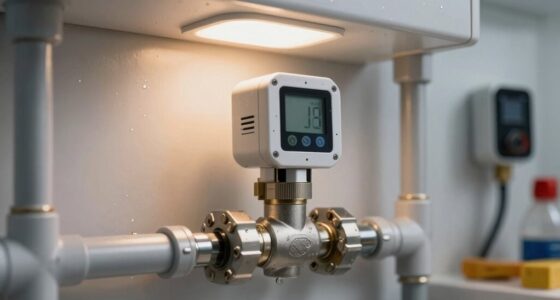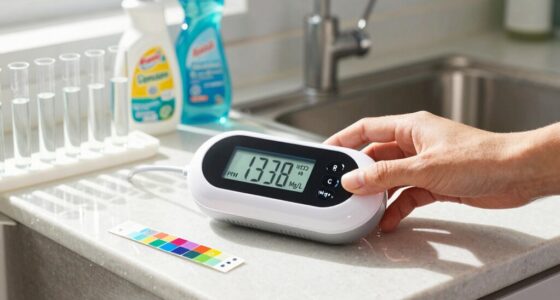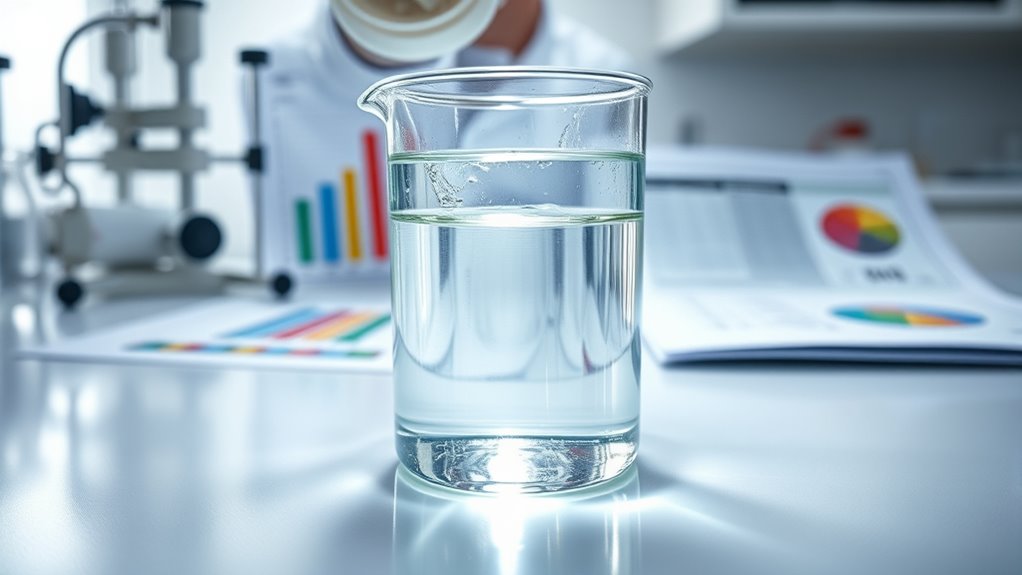

Water standards are set by the EPA and WHO through science-based processes, evaluating data on contaminants and health risks. The EPA develops legally enforceable regulations after public consultation, while WHO issues guidelines based on expert reviews and peer input, offering flexible recommendations. Both organizations regularly update their standards as new scientific evidence emerges. To understand how these agencies balance safety, science, and policy, keep exploring how these processes work in detail.

Get home appliances delivered free — and shop member deals
- Fast, free delivery on millions of items
- Access to Prime Big Deal Days deals on October 6–7
- Prime Video, Amazon Music and more included
Key Takeaways
- Both EPA and WHO base water standards on rigorous scientific research and risk assessments of contaminants.
- EPA proposes legally enforceable standards after evaluating scientific data and treatment feasibility, incorporating public input.
- WHO develops guidelines through expert reviews, peer consultations, and scientific evidence, serving as adaptable recommendations.
- Both agencies regularly review and update standards as new scientific data and health risks are identified.
- The purpose of these standards is to protect public health by ensuring safe drinking water quality globally and locally.
Ensuring safe drinking water is essential for public health, and both the EPA and WHO set important guidelines to achieve this goal. These organizations focus heavily on water quality, establishing standards that protect communities from harmful contaminants. When you look into how these standards are set, you’ll find that the process is rooted in rigorous scientific research, risk assessment, and a structured regulatory framework. Both agencies aim to guarantee that the water you rely on daily is safe, but they operate within different regulatory processes shaped by their respective jurisdictions and priorities.
Ensuring safe drinking water relies on rigorous standards set by the EPA and WHO through scientific research and regulatory frameworks.
The EPA’s approach to setting water standards involves a thorough regulatory process. It begins with extensive scientific research to identify potential health risks associated with various contaminants. The agency then evaluates data from studies, monitoring, and public health records to determine safe concentration levels. These levels are codified into the National Primary Drinking Water Regulations, which are legally enforceable. The EPA also considers the feasibility of treatment technologies and the costs involved, balancing public health protection with practical implementation. Once standards are proposed, they undergo a public comment period, allowing stakeholders—such as local governments, industry representatives, and citizens—to provide input before finalizing regulations. This transparent process ensures that the water quality standards are scientifically sound, economically feasible, and socially acceptable.
Similarly, the WHO employs a structured process to develop its guidelines, emphasizing international health standards that countries can adapt to their specific contexts. The WHO’s guideline development involves expert panels reviewing the latest scientific evidence on water contaminants and their health effects. They assess risks based on exposure levels, toxicity, and vulnerability of different populations. Once a draft guideline is created, it undergoes peer review and public consultation, ensuring transparency and inclusiveness. The final guidelines serve as recommendations rather than binding regulations, giving countries the flexibility to incorporate them into their national policies. The WHO’s focus on water quality is to promote global health by encouraging nations to adopt best practices and improve their regulatory processes accordingly.
Both the EPA and WHO recognize that setting water standards is not static; it requires ongoing review and updates as new scientific data emerge. Their regulatory processes are designed to adapt to new challenges, ensuring that water quality remains high and public health protected. Additionally, advancements in scientific research continuously inform these standards, reflecting the latest understanding of contaminants and health risks. Their regulatory processes are designed to adapt to new challenges, ensuring that water quality remains high and public health protected. As someone who depends on safe water daily, understanding these processes helps you appreciate the complex work behind what’s in your glass and why strict standards matter. These agencies’ commitment to science-based regulation underscores their role in safeguarding your health through effective water quality management.
water testing kits for contaminants
As an affiliate, we earn on qualifying purchases.
As an affiliate, we earn on qualifying purchases.
Frequently Asked Questions
How Often Are Water Standards Reviewed and Updated?
You should know that water standards are reviewed regularly, typically every 5 years, to guarantee water quality remains safe. Regulatory updates are made based on new scientific data, technological advances, and health risk assessments. This process helps protect public health by adjusting safety limits as needed. Staying informed about these updates ensures you understand how water quality standards evolve, maintaining safe and clean water for everyone.
What Factors Influence Differences Between EPA and WHO Guidelines?
You should know that regulatory discrepancies and differing scientific consensus influence how EPA and WHO guidelines vary. The EPA primarily considers U.S. scientific data, legal factors, and public health priorities, while the WHO integrates global scientific consensus and varying regional conditions. These differing approaches lead to variations in standards, reflecting each organization’s focus and interpretation of scientific evidence, which ultimately shape the guidelines tailored to their respective populations.
How Are New Contaminants Added to Water Standards?
Coincidences often highlight emerging risks, prompting you to see new contaminants’ importance. When this happens, agencies conduct contaminant prioritization, evaluating health risks and prevalence. If justified, they initiate a regulatory proposal process, where stakeholder input and scientific data shape the decision. This process ensures that new contaminants are added to water standards based on thorough evaluation, balancing public health protection with feasible regulation.
Who Enforces Compliance With Water Standards Internationally?
You rely on international cooperation and enforcement mechanisms to guarantee water standards are met globally. Organizations like the WHO coordinate efforts, providing guidelines and supporting countries in enforcing regulations. Enforcement mechanisms include treaties, monitoring programs, and sanctions for non-compliance. These collaborative efforts help hold nations accountable, promote safe water practices, and protect public health worldwide, ensuring that water standards are consistently enforced across borders.
What Is the Process for Challenging Water Standard Regulations?
You can challenge water standard regulations through public consultation processes and legal challenges. First, submit comments during the public consultation period to voice your concerns or suggest modifications. If unresolved, you may pursue legal action by filing a lawsuit in court, arguing that the regulation contravenes laws or scientific evidence. This process ensures your input is considered and provides a pathway to contest standards you believe are inappropriate or harmful.
water filter systems for safe drinking water
As an affiliate, we earn on qualifying purchases.
As an affiliate, we earn on qualifying purchases.
Conclusion
Understanding how water standards are set by the EPA and WHO helps you see the clear path to safe drinking water. Think of these guidelines as the compass guiding us through uncharted waters, ensuring you and your family stay healthy. By staying informed and advocating for strict standards, you become an essential part of the journey toward clean, safe water for all. Remember, safe water isn’t just a goal—it’s the foundation of your well-being and community health.
As an affiliate, we earn on qualifying purchases.
As an affiliate, we earn on qualifying purchases.
Fall yard work Picks
leaf blowers
As an affiliate, we earn on qualifying purchases.