To keep your reverse osmosis system running smoothly, you should replace pre-filters and post-filters every 6-12 months to prevent clogs and maintain water quality. Sanitize the system annually using a food-grade sanitizer and keep your storage tank clean by flushing it regularly. Handle your membrane carefully during filter changes and replace it every 2-3 years for maximum effectiveness. Following these steps can extend your system’s lifespan and ensure safe, great-tasting water—learn more to optimize your maintenance routine.

Get home appliances delivered free — and shop member deals
- Fast, free delivery on millions of items
- Access to Prime Big Deal Days deals on October 6–7
- Prime Video, Amazon Music and more included
Key Takeaways
- Replace pre-filters and post-filters every 6-12 months to prevent clogging and ensure optimal water quality.
- Sanitize the entire system annually using a food-grade sanitizer to prevent bacteria and mold growth.
- Regularly inspect and flush the storage tank to prevent sediment buildup and maintain consistent water flow.
- Handle membranes carefully during replacements and sanitization, typically lasting 2-3 years with proper maintenance.
- Follow manufacturer guidelines for all maintenance tasks to prolong system lifespan and ensure efficient operation.

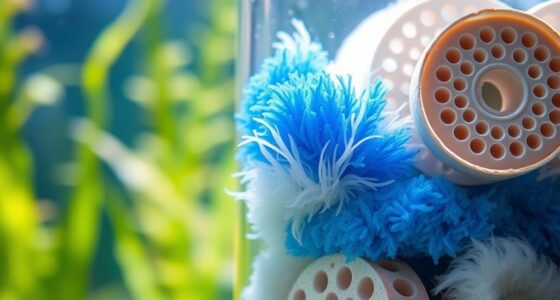
Maintaining your reverse osmosis (RO) system is crucial to guarantee it functions efficiently and provides clean, safe drinking water. One of the most important aspects of upkeep involves regular filter replacement. Over time, the pre-filters and post-filters trap contaminants, sediment, and impurities, but they can become clogged or worn out, reducing the system’s effectiveness. You should check your manufacturer’s guidelines to determine how often to replace these filters—typically every 6 to 12 months. Failing to do so can lead to decreased water quality, slower flow rates, and increased strain on your system’s membrane. When replacing filters, ensure you follow proper procedures to prevent introducing new contaminants during the process. This means washing your hands thoroughly, using clean tools, and carefully installing each filter to maintain a tight seal.
System sanitization is equally important during routine maintenance. Bacteria or mold can develop inside your RO system if it’s not properly sanitized, especially if the system is left unused for extended periods. To keep your system sterile, you should perform a thorough sanitization at least once a year. Use a food-grade sanitizer recommended by your manufacturer, following the instructions precisely. Typically, this involves turning off the water supply, draining the system, and flushing it with a sanitizing solution. After letting the solution sit for the recommended time, rinse the system thoroughly with clean water until all traces of sanitizer are gone. Regular sanitization helps prevent bacterial growth, preserves the taste and safety of your drinking water, and extends the lifespan of your system’s components.
In addition to filter replacement and sanitization, you should keep an eye on your storage tank’s condition. Sediment buildup or pressure issues can affect water quality and flow. Flushing the tank periodically ensures it stays clean and functioning properly. Remember that the membranes are the heart of your RO system, responsible for removing the most contaminants. While they tend to last longer—often 2 to 3 years—they also require careful handling during filter changes and system sanitization to prevent damage.
reverse osmosis pre-filter replacement kit
As an affiliate, we earn on qualifying purchases.
As an affiliate, we earn on qualifying purchases.
Frequently Asked Questions
How Often Should I Replace My Reverse Osmosis System’s Pre-Filters?
You should replace your reverse osmosis system’s pre-filters every 6 to 12 months, depending on your water quality and usage. Regular pre filter maintenance is essential to prevent clogging and guarantee ideal system performance. Follow the replacement schedule recommended by your manufacturer, and check filters more frequently if you notice a decrease in water flow or taste. Staying on top of pre filter replacement keeps your system running efficiently and extends its lifespan.
What Are Signs My RO Membrane Needs Replacement?
Your RO membrane’s telling you it’s time for a change when you notice membrane deterioration or a decline in water quality. If your filtered water tastes off, smells bad, or has visible particles, it’s a sign the membrane isn’t working efficiently. Additionally, a significant drop in water production or increased TDS levels indicates your membrane’s performance is waning. Don’t ignore these signs—timely replacement keeps your water pure and your system running smoothly.
Can I Upgrade My Tank for Better Water Storage?
Yes, you can upgrade your tank for better water storage. Consider increasing the tank capacity if you find yourself running out of filtered water quickly. A larger storage upgrade allows you to have more water on hand, especially during high demand. Before upgrading, verify your system fittings and space can accommodate a bigger tank. This improvement enhances your overall water availability and makes your reverse osmosis system more efficient.
How Do I Sanitize My RO System Safely?
Imagine your family’s health depends on clean water; regular sanitizing keeps that promise. To sanitize your RO system safely, start by turning off the water supply and draining the system. Use cleaning techniques with food-grade sanitizing agents like hydrogen peroxide or vinegar. Let the solution sit in the tanks and lines for 10-15 minutes, then rinse thoroughly. This prevents bacteria buildup and guarantees safe, fresh drinking water every time.
What Is the Lifespan of Typical RO System Components?
Your reverse osmosis system’s components typically last 6 to 12 months for pre-filters, 2 to 3 years for membranes, and up to 5 years for tanks, depending on water quality and usage. Regular system maintenance is essential to guarantee component durability. Keep an eye on performance, replace filters promptly, and schedule periodic inspections to extend the lifespan of each part and maintain ideal water quality.
As an affiliate, we earn on qualifying purchases.
Conclusion
Think of your reverse osmosis system as a delicate garden—each component is a crucial seed that needs care. When you maintain your pre-filters, membranes, and tanks, you’re nurturing a thriving oasis of purity. Neglect turns this oasis into a barren desert, but with consistent attention, you keep the water flowing clear and fresh. Remember, your efforts are the water’s guardian, ensuring it remains pure and life-giving for years to come.
food-grade sanitizer for RO systems
As an affiliate, we earn on qualifying purchases.
As an affiliate, we earn on qualifying purchases.
As an affiliate, we earn on qualifying purchases.
Fall Picks
fall essentials
As an affiliate, we earn on qualifying purchases.