If you ignore the signs of hard water, you’ll notice soap doesn’t lather well, and mineral buildup causes soap scum and clogged fixtures. You might see dull hair, stiff laundry, or skin that feels greasy or flaky. Unusual tastes or odors in your water can also signal trouble. Failing to address these issues can damage appliances and pipes over time. Keep going to discover how to spot these problems early and protect your home.

Get home appliances delivered free — and shop member deals
- Fast, free delivery on millions of items
- Access to Prime Big Deal Days deals on October 6–7
- Prime Video, Amazon Music and more included
Key Takeaways
- Persistent soap scum and reduced lather indicate hard water affecting cleaning effectiveness.
- Mineral buildup causes clogged fixtures and decreased water flow, signaling high mineral content.
- Residue on skin and dull, stiff clothes are signs of mineral deposits from hard water.
- Metallic taste and unusual odors in water reveal elevated mineral levels.
- Regular appliance issues and need for frequent maintenance suggest the presence of hard water.
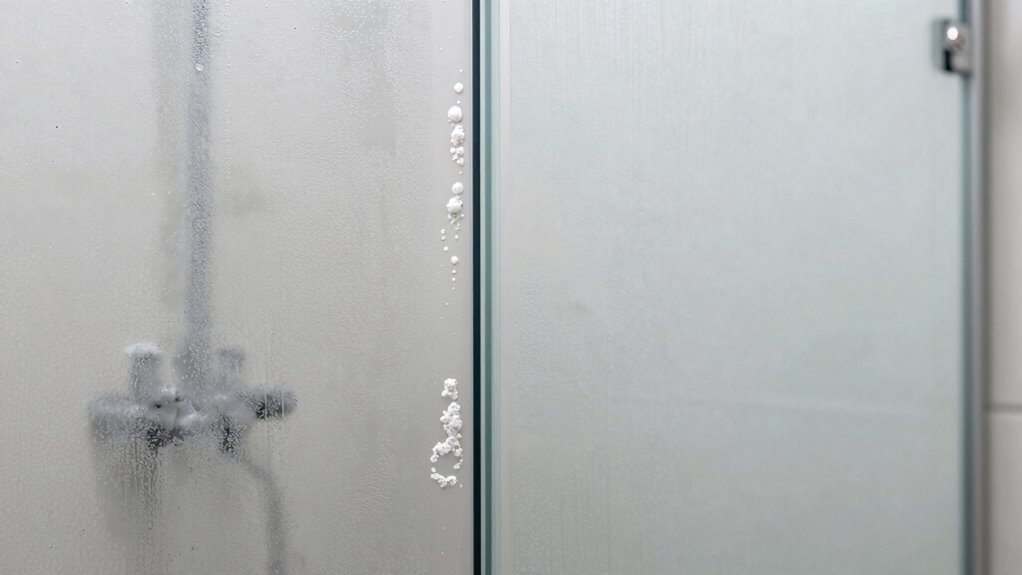
Hard water and soft water differ primarily in their mineral content, which can markedly impact your daily routines. If you’ve noticed spots on your glassware or soap not lathering well, you might be dealing with hard water. Water hardness refers to the level of dissolved minerals, mainly calcium and magnesium, in your water supply. These minerals don’t just sit quietly; they cause mineral buildup in your pipes, appliances, and fixtures. Over time, this buildup can lead to decreased efficiency of your plumbing, increased energy costs, and even damage to your appliances like your water heater or dishwasher. Recognizing the signs of water hardness early can save you money and hassle down the line.
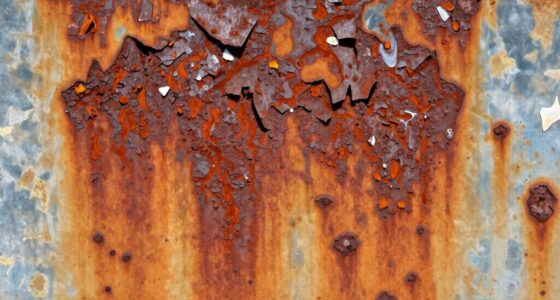
Hard water causes mineral buildup that damages pipes and appliances over time.
One of the clearest signs of hard water is the persistent formation of soap scum and mineral deposits on your sinks, tubs, and shower doors. When you wash your hands or take a bath, soap doesn’t dissolve as easily in hard water, leaving behind a residue that’s difficult to rinse away. You might also notice soap doesn’t produce as much lather, which makes cleaning less effective. This isn’t just an inconvenience; it’s a sign that mineral buildup is interfering with your cleaning routines. Over time, mineral deposits can clog faucets and showerheads, reducing water flow and increasing your water bills. If you find yourself scrubbing mineral deposits more often than usual, you’re likely dealing with water hardness.
Another telltale sign is the feeling of residue or film on your skin and hair after washing. Hard water can leave a sticky or greasy feeling, and it often makes your hair appear dull or feel weighed down. You may also notice soap scum in your laundry, which can cause colors to fade faster or leave fabrics feeling stiff. These issues aren’t just cosmetic; they’re symptoms of mineral buildup affecting your household’s water quality. If your clothes come out looking dingy or feeling rough, it’s worth considering the mineral content of your water.
Additionally, if your water tastes metallic or has an unusual odor, it could be linked to high mineral levels. While these aren’t always definitive signs, they can provide clues that your water’s mineral content is elevated. Recognizing these signs early allows you to take steps like installing water softeners or filters to reduce mineral buildup and improve your water quality. Ignoring these signs can lead to costly repairs and ongoing maintenance problems, so pay attention to the small clues your water provides. Proper maintenance of household appliances and fixtures can be supported by professional fuel injection cleaning, which prevents mineral deposits from accumulating inside your systems. Once you’re aware of water hardness and its effects, you can better protect your plumbing and enjoy cleaner, softer water every day.
As an affiliate, we earn on qualifying purchases.
Frequently Asked Questions
Can Hard Water Cause Skin Irritation?
Yes, hard water can cause skin irritation and dryness. When you shower or wash your face with hard water, the minerals like calcium and magnesium can strip away your skin’s natural oils, leading to irritation. You might notice your skin feeling rough, itchy, or tight. To protect your skin, consider using a gentle cleanser, moisturizing regularly, and installing a water softener to reduce mineral buildup.
Does Soft Water Affect Laundry Efficiency?
Soft water improves laundry efficiency because it allows soap to lather better and rinse away more easily. This means you’ll notice easier stain removal and fewer soap suds leftover on clothes. Soft water helps prevent mineral buildup, so your laundry comes out cleaner and softer. You won’t struggle with stubborn stains or excess soap residue, making your laundry routine smoother and more effective with soft water.
Are Water Softeners Environmentally Friendly?
Think of water softeners as gentle giants—they can be eco-friendly if you choose wisely. Many models have minimal environmental impact, especially when they use eco-friendly options like salt-free or rechargeable systems. These alternatives reduce waste and energy use, making your water treatment more sustainable. By selecting environmentally conscious water softeners, you’re helping protect our planet’s precious resources while enjoying cleaner, softer water at home.
How Often Should I Test My Water Hardness?
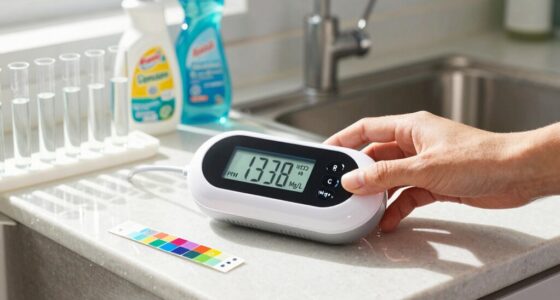
You should test your water hardness at least once every six months to stay on top of hard water indicators. Regular water testing helps you catch signs like soap scumping, mineral buildup, or dingy laundry early. If you notice these hard water indicators, testing more frequently is a good idea. Staying proactive guarantees your water treatment system works efficiently and keeps your appliances and skin protected.
Can Hard Water Damage Household Appliances?
Yes, hard water can damage household appliances. It causes mineral buildup inside appliances like dishwashers, washing machines, and water heaters, which can reduce their efficiency and lifespan. Using water filtration systems helps prevent this buildup, protecting your appliances. Regular maintenance and descaling can also keep appliances running smoothly. Ignoring these signs may lead to costly repairs or replacements, so it’s crucial to address hard water issues early on.
As an affiliate, we earn on qualifying purchases.
Conclusion
Understanding the signs of hard and soft water helps you protect your home and health. Did you know that over 85% of homes worldwide have hard water? Ignoring these signs can lead to mineral buildup, appliance damage, and skin issues. Stay vigilant, test your water regularly, and consider treatment options if needed. Taking action now can save you money and extend the lifespan of your appliances, making your home more comfortable and efficient in the long run.
limescale remover for appliances
As an affiliate, we earn on qualifying purchases.
As an affiliate, we earn on qualifying purchases.
As an affiliate, we earn on qualifying purchases.
Fall Picks
fall essentials
As an affiliate, we earn on qualifying purchases.