Well water differs from city water because it relies entirely on your efforts for testing and treatment, while city water is managed by centralized systems with regular monitoring. Your well depends on natural filtration through soil and rock but can still pick up contaminants like bacteria, nitrates, or heavy metals. Proper testing and treatment are essential for safe, clean water. Keep exploring to discover how to maintain your well water quality effectively.

Get home appliances delivered free — and shop member deals
- Fast, free delivery on millions of items
- Access to Prime Big Deal Days deals on October 6–7
- Prime Video, Amazon Music and more included
Key Takeaways
- Well water relies on individual sources and requires regular testing for contaminants, unlike city water’s centralized treatment.
- It naturally filters through soil and rock but may still contain pollutants such as bacteria or heavy metals.
- City water is treated and monitored consistently, ensuring safety and quality, whereas well water depends on owner maintenance.
- Well water quality varies based on location, land use, and nearby activities, unlike city water with standardized standards.
- Proper management and testing are essential for well water to ensure safety, protect health, and prevent issues that city water systems typically handle.
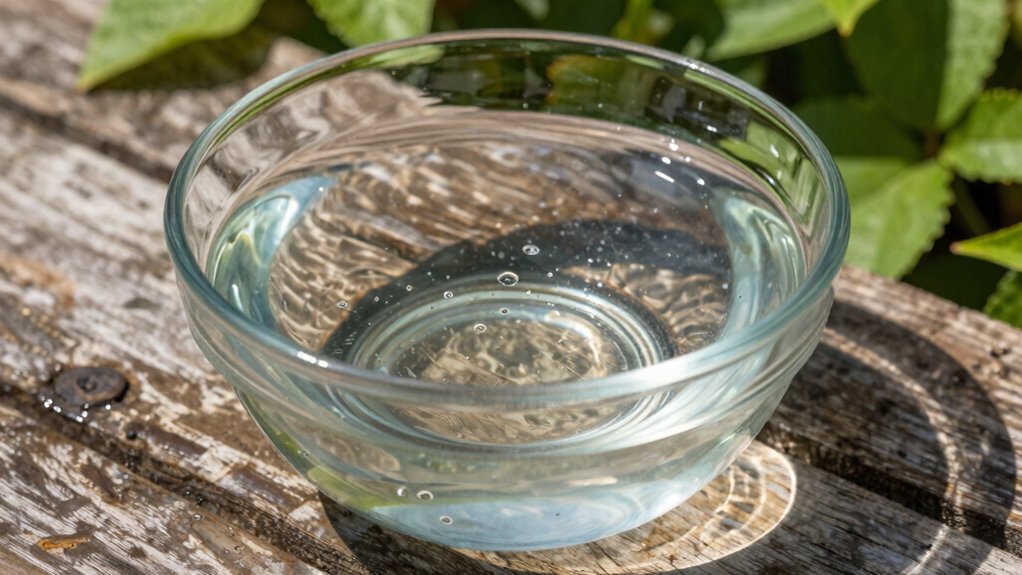
Have you ever wondered what it takes to access clean, reliable water from a well? If you rely on well water, you’re in charge of ensuring that your water is safe and healthy to drink. Unlike city water, which comes from a centralized system with regular testing and treatment, well water depends entirely on your efforts. That’s why well water testing is essential— it helps you identify any contaminants or issues lurking underground before they become health hazards. Testing can reveal bacteria, nitrates, heavy metals, or other pollutants that might compromise your water quality. Once you know what’s in your well water, you can take appropriate steps to treat it effectively. Well water treatment involves installing systems like filters, UV purifiers, or water softeners to remove impurities and improve taste and safety. This proactive approach is vital because untreated well water can harbor bacteria that cause illnesses or contain chemicals harmful over time.
You have to understand that well water isn’t inherently clean or safe. It’s naturally filtered through soil and rock, which can sometimes provide a degree of purification. However, depending on your location and nearby land use, contaminants can easily seep into your underground water sources. That’s why regular well water testing isn’t a one-time task but an ongoing process. It enables you to catch changes in water quality early, so you can adjust your treatment systems accordingly. Proper well water treatment isn’t just about making water taste better; it’s about safeguarding your health and prolonging the life of your plumbing and appliances. Additionally, understanding the contrast ratio of your water source can help you identify issues related to clarity and visual quality, which may indicate deeper contamination problems.
Frequently Asked Questions
How Often Should Well Water Be Tested for Safety?
You should test your well water at least once a year to guarantee safety. Regular well water testing helps identify contaminants that could affect health and assures your water meets safety protocols. If there are changes in taste, smell, or appearance, test immediately. Additionally, after repairs or flooding, it’s essential to check your water quality to maintain safe drinking water. Staying proactive keeps your well water safe and reliable.
What Are Common Contaminants Found in Well Water?
Common contaminants in well water include bacteria, nitrates, heavy metals, and pesticides. These contaminants often come from nearby contaminant sources like septic systems, agricultural runoff, or industrial waste. To keep your well water safe, you should regularly conduct water testing at least once a year, especially if you notice changes in taste, smell, or appearance. Consistent testing helps identify contaminants early and guarantees your water remains safe to drink.
Can Well Water Cause Health Problems?
You might not realize it, but that sudden well water odor could signal bacteria lurking beneath the surface, posing health risks. Well water bacteria can cause stomach issues or infections if untreated. Even if your water looks and smells normal, contaminants can still be present. Regular testing and proper filtration are essential to prevent potential health problems, ensuring your well water remains safe for your household.
How Do I Install a Water Treatment System?
To install a water treatment system, start by choosing the right filtration options based on your water quality. Turn off your main water supply, then connect the system following the manufacturer’s instructions. Confirm all connections are secure and check for leaks. Once installed, turn the water back on and run the system to flush out any impurities. Regular maintenance ensures your treatment system remains effective and provides safe, clean well water.
What Maintenance Is Required for Well Water Systems?
Imagine your well system as a essential heartbeat, requiring regular check-ups. You should perform well water filtration inspections monthly, watching for sediment buildup and signs of contamination. Schedule professional well system inspections annually to guarantee everything functions smoothly. Replace filters as needed and clean out any debris. This routine maintenance keeps your well water pure, safe, and fresh, preventing costly repairs and ensuring peace of mind with every drop.
Conclusion
In conclusion, well water and city water each have their own unique qualities. While well water offers a rustic, reliable resource, it demands diligent diligence and dedicated maintenance. Understanding these differences helps you make the best decision for your home and health. So, whether you prefer the purity of the private well or the convenience of city supply, remember: knowledge keeps your water worry-free and your well-being well-watered. Stay savvy, stay safe, and savor the source!
Fall Picks
fall essentials
As an affiliate, we earn on qualifying purchases.