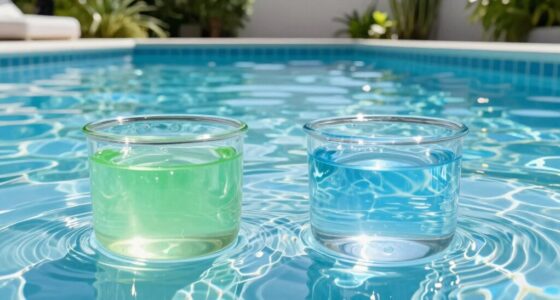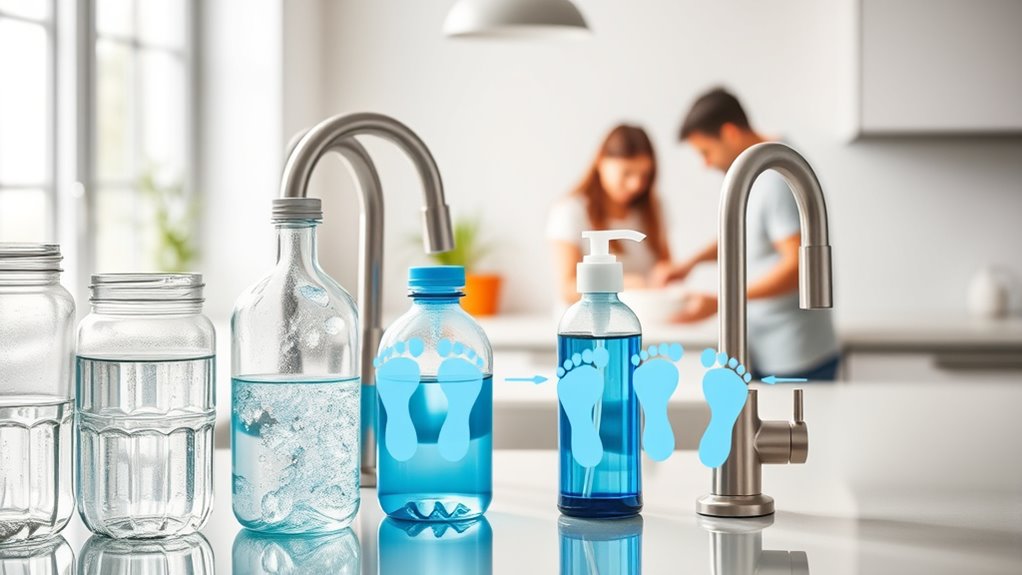

Understanding your household water footprint helps you see how daily activities, both indoors and outdoors, impact water consumption. You’ll discover that outdoor watering for gardening and landscaping uses a lot of water, but simple adjustments like using drip irrigation and watering at the right times can make a difference. Inside, fixing leaks and upgrading to water-efficient fixtures save significant amounts. Keep exploring to learn how small changes can help you conserve water and support sustainability.

Get home appliances delivered free with Prime
- Fast, free delivery on millions of items
- Prime Video, Amazon Music and more included
- Member-only deals all year
Key Takeaways
- Household water footprint measures daily indoor and outdoor water consumption, highlighting areas for conservation and efficiency.
- Outdoor activities like gardening significantly contribute to household water use, emphasizing the importance of efficient irrigation.
- Using water-saving fixtures such as low-flow showerheads and high-efficiency toilets reduces indoor water consumption.
- Proper outdoor water management, including watering during optimal times and using drip systems, minimizes waste and runoff.
- Awareness and small adjustments in habits collectively help lower overall household water footprint and promote sustainability.
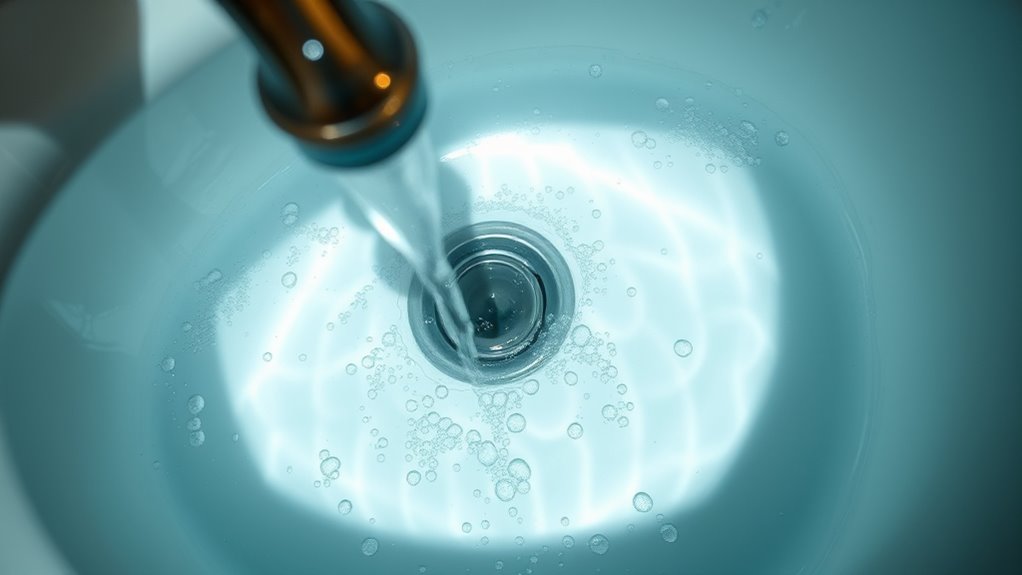
Have you ever wondered how much water your daily activities consume? It’s a question that often goes unnoticed, yet understanding your water footprint is essential for conserving this critical resource. A substantial portion of household water use is linked to outdoor activities, especially when it comes to gardening and landscaping. Here, irrigation efficiency plays a key role. By improving how effectively you water your plants, you can drastically reduce water waste. This means choosing drip irrigation systems or soaker hoses that deliver water directly to roots, minimizing runoff and evaporation. Incorporating water conservation techniques like watering early in the morning or late in the evening also helps reduce unnecessary loss. These small adjustments make a big difference in lowering your overall water footprint.
When it comes to indoor water use, you might be surprised at how much water is consumed by everyday appliances and habits. Showering, for example, accounts for a major chunk of household water usage. Using low-flow showerheads can cut water consumption considerably without sacrificing comfort. Fixing leaky faucets promptly is another simple yet effective water conservation technique. Toilets are also notorious for wasting water if they’re old or faulty. Upgrading to high-efficiency toilets can save hundreds of gallons annually. Similarly, being mindful of how long you run your dishwasher or washing machine can add up to substantial savings over time. These habits not only conserve water but also reduce your utility bills.
Understanding the role of irrigation efficiency ties into broader water conservation efforts. When you prioritize efficient watering methods outdoors, you’re supporting sustainable water use, especially in regions prone to drought. Properly managing outdoor water usage helps prevent overwatering and runoff, which can carry pollutants into local water systems. Implementing water-saving fixtures inside your home complements these efforts by reducing the amount of water needed for daily tasks. Additionally, being aware of the signs of spoilage in household liquids like lemon juice can prevent unnecessary waste and ensure safe consumption. Combining these approaches creates a thorough strategy for lowering your water footprint.
Ultimately, being conscious of your water usage involves recognizing where most of it is going and making intentional changes. Whether it’s adopting water conservation techniques indoors or enhancing irrigation efficiency outdoors, each step counts. Small adjustments, like fixing leaks or choosing efficient appliances, not only help preserve water but also foster environmentally responsible habits. By actively managing how you use water and implementing simple yet effective techniques, you contribute to the sustainability of this precious resource, ensuring it remains available for future generations.
As an affiliate, we earn on qualifying purchases.
Frequently Asked Questions
How Can Households Effectively Reduce Their Water Footprint?
You can effectively reduce your water footprint by using water-saving appliances like low-flow showerheads and efficient washing machines. Additionally, make behavioral adjustments such as turning off taps when not in use, fixing leaks promptly, and taking shorter showers. These simple steps help conserve water, lower your utility bills, and contribute to environmental sustainability. Small changes in daily habits make a big difference in reducing your overall water consumption.
What Are the Most Water-Intensive Household Activities?
Think of your household as a modern Pandora’s box—some activities are surprisingly water-heavy. Laundry habits, especially frequent or long washes, consume a lot of water, as does maintaining a garden with inefficient watering practices. Watering during peak hours or overwatering can markedly increase your footprint. By adjusting these habits—using full loads and watering early—you can cut back on your most water-intensive activities and make a real difference.
How Does Household Water Usage Impact Local Water Sources?
Your household water use impacts local water sources by reducing availability for other needs. Activities like urban landscaping and supporting industrial agriculture consume large amounts of water, often depleting local supplies. When you water your lawn excessively or rely on water-intensive products, you strain community resources, potentially causing shortages. Being mindful of these practices helps conserve water, ensuring cleaner, more sustainable sources for everyone in your area.
Are There Technological Tools to Monitor Water Consumption at Home?
Think of your home as a garden, and technology as the watering can. Yes, there are tools like smart meters and water sensors that let you monitor your water consumption in real-time. These devices act as your garden’s weather forecast, helping you identify leaks and patterns. With them, you can adjust your habits, conserve water, and protect your local water sources effectively.
What Policies Encourage Water Conservation in Residential Areas?
Policies that encourage water conservation in residential areas often include water pricing strategies that incentivize saving water, such as tiered rates or higher costs for excessive use. Leak detection programs are also promoted to prevent wastage from leaks. These policies motivate you to monitor your usage, fix leaks promptly, and adopt water-efficient practices, ultimately reducing your water footprint and supporting sustainable water management in your community.
As an affiliate, we earn on qualifying purchases.
Conclusion
By paying close attention to your water footprint, you can markedly reduce waste and make a meaningful difference. Small habits, like shortening showers or choosing sustainable products, show that smart steps lead to considerable savings. Remember, your water use is a reflection of your responsibility—so stay mindful, make mindful choices, and master manageable changes. Together, we can conserve, protect, and cherish our cherished water resources for a healthier, happier home and planet.
As an affiliate, we earn on qualifying purchases.
As an affiliate, we earn on qualifying purchases.
NFL season / tailgating Picks
team gear
As an affiliate, we earn on qualifying purchases.