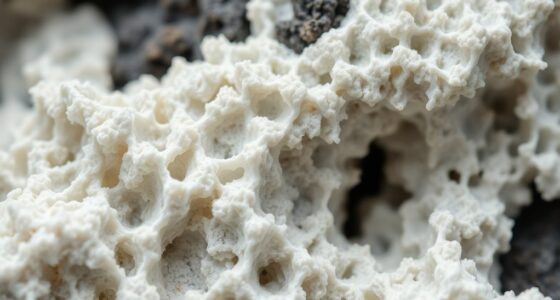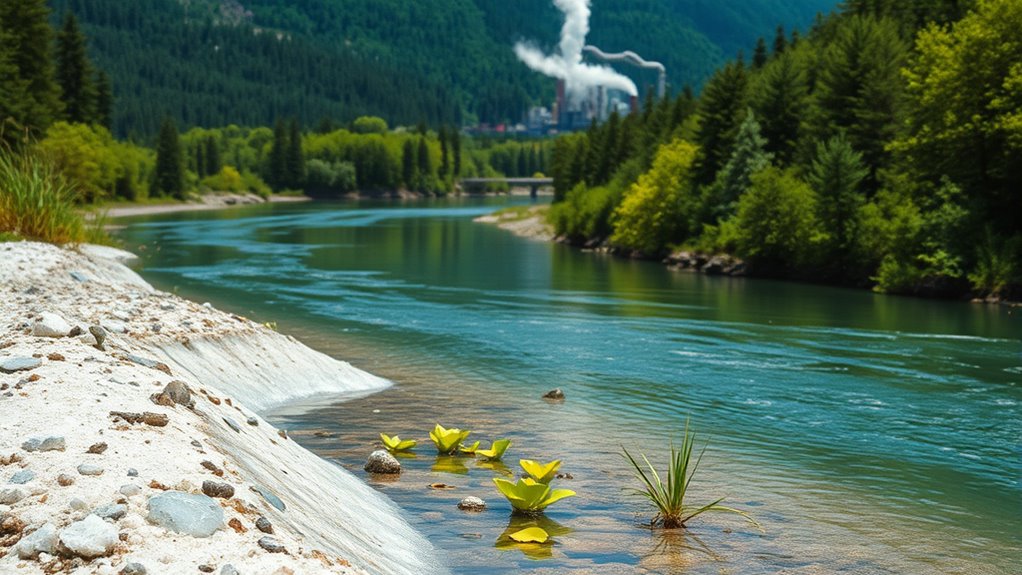

Softener brine can harm your environment because it contains high levels of salt and minerals that can pollute water sources and damage aquatic ecosystems if not managed properly. Improper disposal, like releasing the brine into storm drains or natural water bodies, increases salinity and contaminates drinking water, harming aquatic life. To minimize these impacts, you can use sustainable disposal methods, treat the brine before discharge, or adopt eco-friendly softening alternatives. Discover ways to protect water quality and preserve ecosystems as you explore further.
Prime for Young Adults — start your free trial
Fast free delivery, streaming and member deals for eligible 18–24 year olds.
As an affiliate, we earn on qualifying purchases.
Key Takeaways
- Softener brine contains high levels of salts and minerals that can pollute water sources and harm aquatic ecosystems if improperly disposed.
- Discharging untreated brine into water bodies increases salinity, negatively impacting aquatic life and contaminating drinking water supplies.
- Sustainable disposal methods like deep well injection, evaporation ponds, and advanced treatment help reduce environmental risks.
- Regulation, monitoring, and community engagement are essential to ensure responsible brine management and prevent water pollution.
- Adopting alternative softening methods and resource recovery technologies minimizes environmental impact and promotes water resource protection.
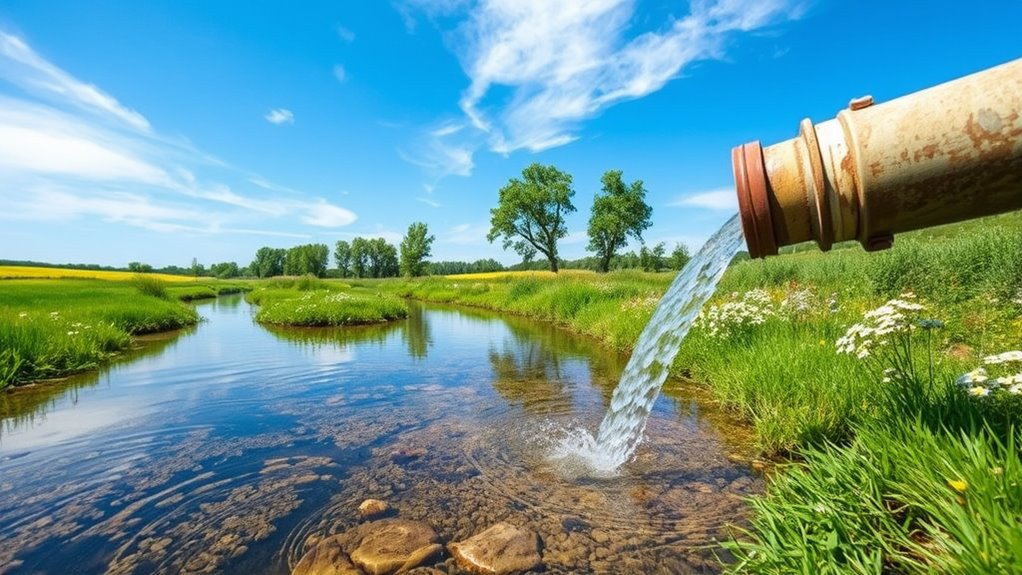
Softener brine, the salty wastewater produced during water softening processes, can profoundly impact the environment if not managed properly. When you consider brine disposal methods, it’s clear that improper handling can lead to significant water pollution. This brine contains high concentrations of sodium, chloride, and other minerals, which, if released into local water bodies, can harm aquatic ecosystems and contaminate drinking water sources. Water pollution caused by unregulated brine disposal can lead to increased salinity levels in rivers, lakes, and groundwater, making them unsuitable for plants, animals, and human consumption. Recognizing the importance of responsible disposal is vital to preventing these environmental hazards.
Improper softener brine disposal risks water pollution and ecosystem harm.
If you’re involved in managing or treating softener brine, you must understand the risks associated with improper brine disposal. Discharging untreated brine into storm drains or directly into natural water systems bypasses regulatory standards and can cause long-term damage. High salt levels can alter the natural balance of aquatic habitats, harming fish and invertebrates that are sensitive to changes in salinity. Furthermore, excess salts can interfere with the natural filtration processes of soil and groundwater, leading to further contamination. To minimize these impacts, you need to explore sustainable brine disposal techniques, such as deep well injection, evaporation ponds, or advanced treatment methods that remove harmful salts before discharge.
Managing brine responsibly also involves exploring options like resource recovery. For instance, you can recover sodium or other minerals from the brine for industrial or commercial use, reducing the volume of waste and lessening environmental impact. Additionally, adopting environmentally friendly water softening alternatives, such as using potassium chloride instead of sodium chloride, can lessen the salinity load. Implementing strict regulations and monitoring systems ensures that disposal practices align with environmental safety standards, reducing the risk of water pollution. Community awareness and education are equally important; informing local stakeholders about the dangers of improper brine disposal encourages support for sustainable practices.
Ultimately, safeguarding our water resources from the adverse effects of softener brine requires a well-rounded approach. Proper brine disposal not only prevents water pollution but also promotes healthier ecosystems and safer drinking water supplies. By investing in innovative treatment technologies, adhering to environmental regulations, and promoting responsible practices, you can markedly reduce the environmental footprint of water softening operations. It’s about taking proactive steps to protect water quality for current and future generations, ensuring that the convenience of softened water doesn’t come at the expense of environmental health. Incorporating efficient treatment methods can significantly reduce the environmental impact of brine disposal.
water softener brine disposal system
As an affiliate, we earn on qualifying purchases.
As an affiliate, we earn on qualifying purchases.
Frequently Asked Questions
Are There Eco-Friendly Alternatives to Traditional Water Softening Methods?
Yes, there are eco-friendly alternatives to traditional water softening. You can consider salt-free water softening systems that use template-assisted crystallization or magnetic/ionic treatments. These eco-friendly alternatives reduce or eliminate the need for brine discharge, minimizing environmental impact. By choosing these options, you’re promoting sustainable water softening practices that protect your plumbing and the environment without harming ecosystems.
How Does Brine Disposal Affect Local Water Sources Long-Term?
You should know that improper brine disposal can lead to groundwater contamination, which threatens local water supplies. Over time, high salt levels from softened water discharge can harm aquatic ecosystems, disrupting plant and animal life. To protect these resources, you need to follow proper disposal methods and consider eco-friendly alternatives, reducing the long-term environmental impact of your water softening system.
Can Household Water Softeners Be Adjusted to Reduce Brine Discharge?
You can adjust your household water softener to reduce brine discharge by modifying the softener settings and implementing discharge control features. For example, a homeowner in a small town lowered the regeneration frequency, markedly cutting down brine output. Check your device’s manual for options like longer regeneration cycles or brine recirculation. These adjustments help minimize environmental impact while maintaining effective water softening.
What Policies Regulate the Environmental Impact of Softener Brine?
Regulatory standards and policy enforcement govern the environmental impact of softener brine. You should know that agencies like the EPA set limits on brine discharge to protect water quality. Enforcement guarantees compliance through regular monitoring and penalties for violations. Staying informed about local regulations helps you avoid legal issues and minimizes environmental harm. By following these policies, you actively contribute to reducing the negative effects of softener brine on the environment.
How Effective Are Natural or Biodegradable Softening Agents?
Imagine a gentle stream flowing through a lush forest—natural and soothing. Natural softeners and biodegradable agents act just like that, breaking down easily and reducing environmental harm. They’re quite effective, transforming hard water without leaving toxic residues. By choosing these eco-friendly options, you’re supporting healthier ecosystems and cleaner water, turning your water softening into a greener, more sustainable practice that benefits everyone and everything around you.
eco-friendly water softening alternatives
As an affiliate, we earn on qualifying purchases.
As an affiliate, we earn on qualifying purchases.
Conclusion
Imagine the soft, clear streams you cherish, now tinged with the unseen weight of brine runoff. Every drop you send into the environment leaves a ripple, quietly affecting delicate ecosystems. By reducing your water softener’s brine discharge, you protect these essential waterways from harm’s shadow. Your small actions can help restore the purity of nature’s flowing tapestry, ensuring future generations can still enjoy the pristine beauty of our waters—like a gentle, unbroken stream running free.
salt recovery water treatment system
As an affiliate, we earn on qualifying purchases.
As an affiliate, we earn on qualifying purchases.
potassium chloride water softener
As an affiliate, we earn on qualifying purchases.
As an affiliate, we earn on qualifying purchases.
Fall yard work Picks
leaf blowers
As an affiliate, we earn on qualifying purchases.