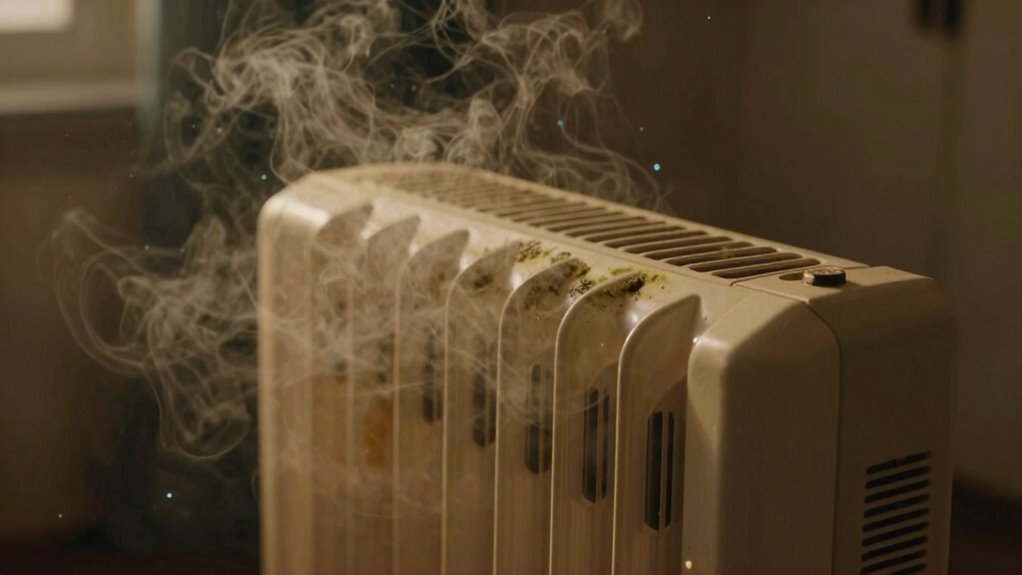

If you notice a rotten egg smell, it could come from a natural gas leak, bacterial growth in your plumbing or water heater, or sulfur compounds. Gas leaks often emit a sulfur-like odor for safety reasons, so you should evacuate and contact authorities immediately. Bacteria in water systems can also produce hydrogen sulfide, creating a similar smell. To identify the exact cause and stay safe, explore the causes and solutions that follow.
Key Takeaways
- A rotten egg smell near a water heater often indicates bacterial growth or hydrogen sulfide production.
- Gas leaks from appliances or pipelines can emit sulfur-like odors, signaling a potential safety hazard.
- Bacteria in plumbing systems or stagnant water can produce hydrogen sulfide, causing persistent sulfurous odors.
- Proper maintenance, including flushing water heaters and checking for leaks, helps identify and eliminate odor sources.
- Immediate evacuation and professional inspection are crucial if the smell resembles a gas leak to ensure safety.
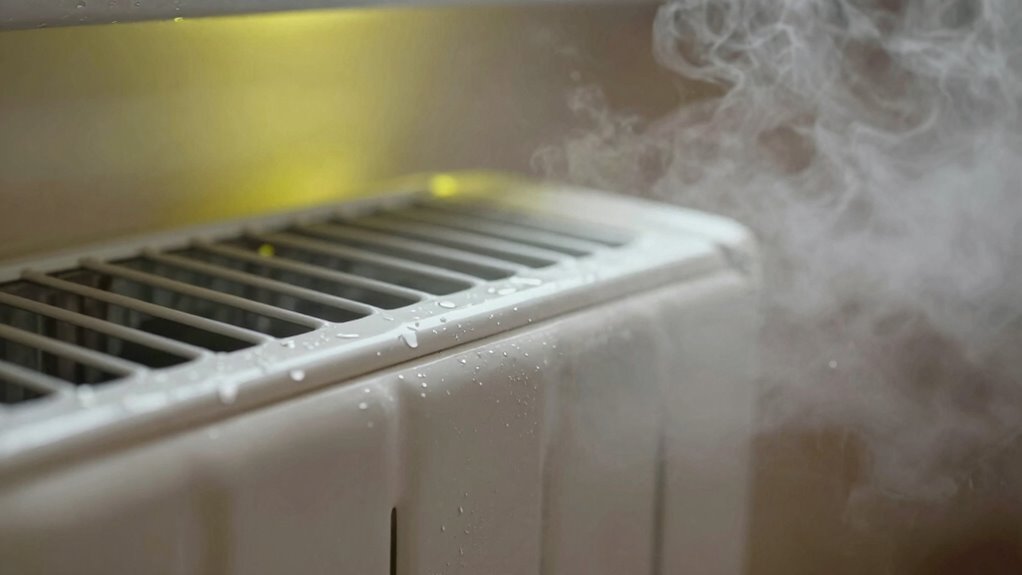
Ever wondered what causes that foul, rotten egg smell in your home or around your appliances? It’s a common question, especially when the odor appears suddenly and lingers. The first step is understanding odor detection—being able to identify where the smell is coming from and whether it’s a sign of a bigger issue. The smell of rotten eggs is often linked to sulfur compounds, which can be present in natural gas or caused by other factors like bacteria or sulfur-producing substances. Recognizing these clues quickly is essential because gas safety should always be your top priority.
If you notice the smell near your heater or furnace, it could be a sign that something’s wrong with your gas line or appliance. Natural gas, used for heating and cooking, is generally odorless, but utility companies add a sulfur-like chemical called mercaptan to give it a distinct rotten egg smell for safety reasons. This way, you can detect leaks early before they become dangerous. If you suspect a gas leak, don’t ignore the odor. Turn off the appliance, avoid using any electrical switches or open flames, and evacuate the area immediately. Call your gas company or emergency services to report the leak. Gas safety protocols are designed to protect you, so taking prompt action can prevent potential explosions or health risks.
A gas leak near your heater may emit a rotten egg smell—act quickly to stay safe.
Sometimes, the smell isn’t related directly to gas but instead arises from bacteria thriving in your plumbing or water heater. Bacteria that produce hydrogen sulfide can develop in areas with stagnant water or poor ventilation. When these bacteria break down organic materials, they emit a sulfurous odor that mimics rotten eggs. This is especially common in water heaters, where bacteria can flourish in the tank, creating an ongoing unpleasant smell. In such cases, cleaning the water heater or flushing the system can eliminate the bacteria and stop the odor. Ensuring proper ventilation and maintaining your plumbing can help prevent bacterial growth, making your home safer and more comfortable. Additionally, using proper water treatment systems can help reduce sulfur compounds in your water supply and prevent recurring odors.
Frequently Asked Questions
Can a Rotten Egg Smell Indicate a Gas Leak?
Yes, a rotten egg smell can indicate a gas leak. If you notice this odor, it’s essential to act quickly and prioritize safety precautions. Turn off the gas supply, avoid creating sparks, and leave the area immediately. Ventilate the space if possible, and contact your gas company or emergency services. Don’t ignore the smell, as gas leaks pose serious health and fire risks.
How Long Does It Take to Eliminate Sulfur Smell?
Ever wondered how long it takes to get rid of that sulfur smell? Typically, the odor duration depends on your treatment approach, but most solutions show results within a few days to a week. The treatment timeline varies based on the cause—whether it’s bacteria, sulfur in the water, or heater issues. To speed up the process, use activated carbon filters or aeration, and always address the root cause promptly.
Is It Safe to Use Water With a Sulfur Odor?
Yes, it’s safe to use water with a sulfur odor, but it’s best to address it first. You should consider water treatment options like activated carbon filters or aeration systems to eliminate the odor. Odor elimination improves water quality, making it safer and more pleasant to use. While the sulfur smell isn’t necessarily harmful, treating your water ensures there’s no underlying bacteria or contaminants, providing peace of mind.
Can Bacteria in Water Cause Persistent Egg-Like Smells?
Imagine your water as a quiet lake, suddenly disturbed by unseen currents. Water bacteria can cause persistent egg-like smells, as they produce sulfur compounds that linger in your supply. These bacteria thrive in warm, stagnant water, and their odor causes you to notice that strange, rotten smell every time you turn on the tap. Addressing water bacteria promptly can eliminate the odor causes and restore fresh, clean water.
What Household Items Can Neutralize Sulfur Odors Effectively?
You can neutralize sulfur odors with household odor remedies like baking soda, which absorbs and masks the smell effectively. Activated charcoal is another excellent sulfur neutralizing agent that traps odors. Vinegar also works by neutralizing sulfur compounds chemically. Use these household items by placing them near the source or mixing them into water to eliminate the rotten egg smell. Regular use keeps your space smelling fresh and odor-free.
Conclusion
So, next time you notice that rotten egg smell, consider all possibilities—heater issues, bacteria buildup, or sulfur in your water source. While bacteria often cause the odor, sulfur-rich water can also be the culprit. Curiously, some theories suggest that certain bacteria in water heaters produce hydrogen sulfide, creating that foul smell. To truly fix it, identify the source first. Addressing the root cause ensures your home stays fresh and safe, not just smelling better temporarily.