To avoid false alarms, make sure your sensors are correctly placed near leak-prone areas like joints and valves, but away from heat sources and high-traffic zones. Regularly calibrate your system to keep sensitivity accurate and prevent environmental factors like dust, humidity, or electromagnetic interference from causing mistakes. If sensors aren’t positioned properly or calibration is skipped, you’ll likely experience unnecessary shutdowns or missed leaks. Keep these tips in mind, and you’ll improve your leak detection accuracy efficiently.
Key Takeaways
- Improper sensor placement near heat sources or high-traffic areas increases environmental noise, causing false alarms.
- Incorrect sensor calibration reduces detection accuracy, leading to misinterpretation of environmental factors as leaks.
- Installing sensors too far from leak-prone zones delays detection and may trigger unnecessary alerts.
- Environmental factors like humidity, dust, and electromagnetic interference affect sensor performance and false alarm rates.
- Regular maintenance and recalibration help prevent false alarms caused by sensor drift or displacement.
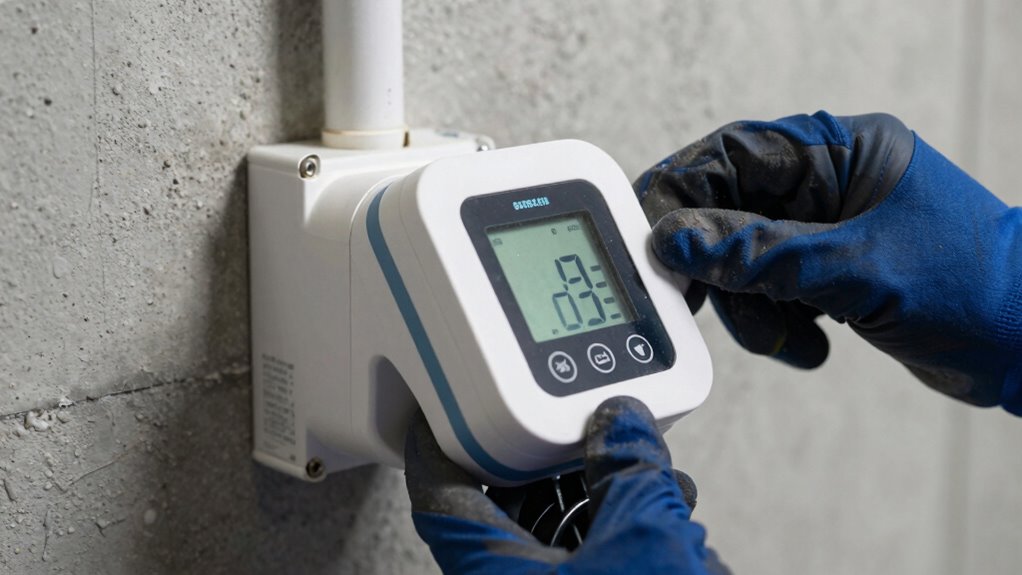
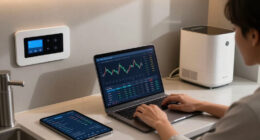
Leak detectors are indispensable for preventing costly damage and guaranteeing safety, but false alarms can undermine their effectiveness. One of the most common reasons for these false alarms is improper sensor calibration. If your leak detector’s sensors aren’t correctly calibrated, they might mistake harmless environmental factors, like humidity or dust, for leaks. Regular sensor calibration is essential to guarantee the device accurately distinguishes between actual leaks and false signals. When you skip calibration or perform it incorrectly, your device’s sensitivity can become unreliable, leading to unnecessary shutdowns or ignored alarms. Proper calibration helps your leak detector respond only to genuine leaks, saving you from costly repairs and downtime.
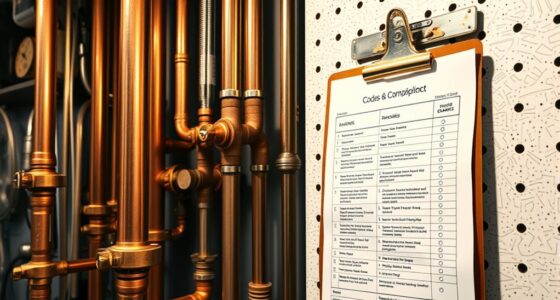
Placement accuracy is another critical factor in avoiding false alarms. If sensors are installed in the wrong locations, they can pick up false signals from sources unrelated to actual leaks. For example, placing a sensor too close to a heat source or in a high-traffic area might cause it to detect temperature changes or vibrations as leaks. Conversely, positioning sensors too far from potential leak points can delay detection, making your system less effective. You need to guarantee sensors are placed precisely where leaks are most likely to occur, such as near joints, valves, or vulnerable pipes. Accurate placement maximizes detection efficiency and minimizes false alarms caused by environmental noise or unrelated activity.
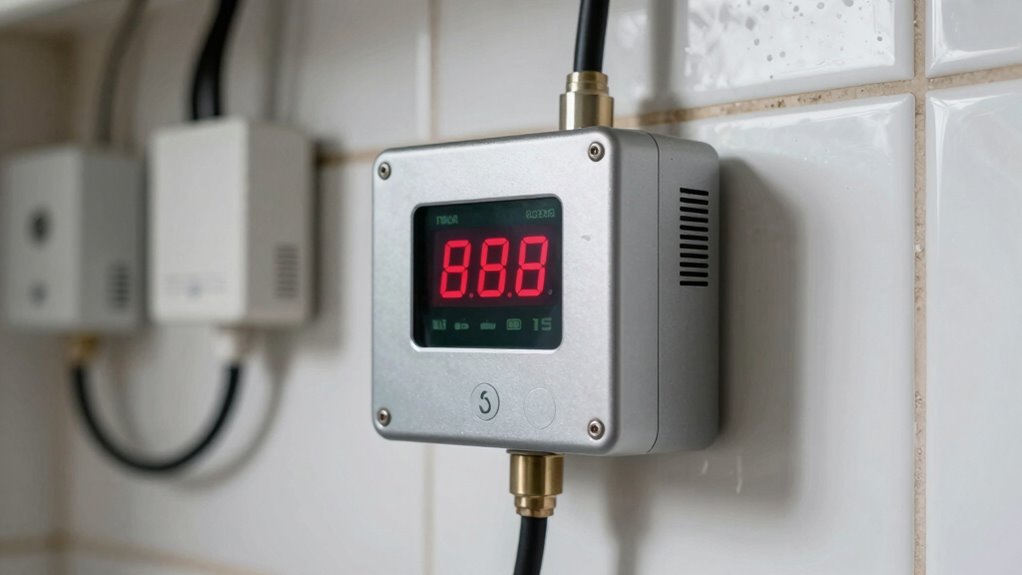
Proper sensor placement near leak-prone areas ensures accurate detection and reduces false alarms.
Additionally, environmental conditions play a significant role in sensor accuracy. High humidity, dust, or electromagnetic interference can all impact sensor performance if not accounted for during installation and calibration. You should consider these factors when choosing sensor locations and regularly check that the environment hasn’t changed in ways that could affect detection reliability. It’s also wise to follow manufacturer guidelines strictly regarding placement and calibration procedures. This ensures your leak detection system functions as intended and reduces the chances of false alarms. Moreover, understanding sensor sensitivity and how it interacts with environmental variables can help fine-tune your setup for optimal performance.
In practice, regular maintenance and inspections are essential. Periodically recalibrating sensors and verifying their placement can catch issues before they lead to false alarms. When you notice an increase in false alarms, it’s often a sign that calibration needs adjustment or sensors have shifted from their ideal positions. Taking these steps helps maintain the balance between sensitivity and specificity, so your leak detector remains a trustworthy safeguard. By paying close attention to sensor calibration and placement accuracy, you guarantee your leak detection system operates efficiently, preventing unnecessary disruptions and protecting your property from preventable damage.

ATO Portable HCl Gas Detector, Hydrogen Chloride Gas Leak Detector Monitor (0-100ppm, Detector + Calibration Kit)
- Gas Detection Range: 0-100ppm HCl detection
- Portable Design: Compact and lightweight
- Real-Time Alerts: Audible and visual alarms
As an affiliate, we earn on qualifying purchases.
As an affiliate, we earn on qualifying purchases.
Frequently Asked Questions
How Often Should Leak Detectors Be Calibrated?
You should calibrate your leak detectors at least once a year, but more often if they’re in harsh environments or after sensor placement adjustments. Regular calibration guarantees accurate detection and reduces false alarms. Keep an eye on sensor performance and follow manufacturer recommendations for calibration frequency. Proper sensor placement combined with timely calibration helps maintain reliable leak detection, protecting your system from potential damage and ensuring safety.
Can Environmental Factors Affect Leak Detector Sensitivity?
Environmental interference, such as humidity, temperature fluctuations, or airborne contaminants, can definitely influence your leak detector’s sensitivity. These factors may cause sensor degradation over time, leading to false alarms or missed leaks. To guarantee accurate detection, regularly check environmental conditions around your equipment and maintain the sensors properly. Proper placement and routine calibration help minimize the impact of environmental interference, keeping your leak detection system reliable.
Are There Specific Brands Less Prone to False Alarms?
You’ll be amazed at how some brands seem almost bulletproof against false alarms! Brands like Honeywell and Dräger stand out for their exceptional reliability, thanks to their first-rate sensor durability. These brands are less prone to false alarms because they invest heavily in quality control and advanced technology. When choosing a leak detector, go for those with proven brand reliability, and you’ll enjoy fewer false alarms and peace of mind, no matter what environmental chaos surrounds you.
What Maintenance Is Required to Prevent False Alarms?
To prevent false alarms, you should perform regular maintenance routines, including cleaning sensors and checking for dust or debris that can interfere with sensor placement. Guarantee your leak detectors are positioned correctly, avoiding areas with high airflow or extreme temperatures. Test the sensors periodically to confirm they’re functioning properly. Proper maintenance routines and strategic sensor placement help reduce false alarms, keeping your leak detection system reliable and effective.
Do False Alarms Indicate Actual Leaks or Sensor Issues?
False alarms usually point to sensor issues or environmental interference, not actual leaks. If your leak detector triggers unexpectedly, check if the sensor placement is correct and free from dust, humidity, or drafts that could cause false readings. Proper placement reduces these errors, ensuring the sensor accurately detects leaks. Regular maintenance and testing help distinguish between real leaks and sensor problems, keeping your system reliable.

GoveeLife Upgraded Smart Water Leak Detector 1s with High Alarm, 5 Pack
- Long-Range Connectivity: Up to 1804 feet through walls
- Multiple Alert Methods: SMS, app, email notifications
- High-Volume Alarm: 105 dB sound alert
As an affiliate, we earn on qualifying purchases.
As an affiliate, we earn on qualifying purchases.
Conclusion
To keep false alarms at bay, think of your leak detector as a vigilant guardian, not a nervous wreck. Proper placement and correct sensor use are like giving it a clear, open road to do its job. When you avoid common mistakes, your detector becomes a trusted sentinel, alerting you only when truly needed. So, treat it with care, and it’ll serve as your silent, reliable watchdog—keeping your space safe without sounding the alarm for no reason.
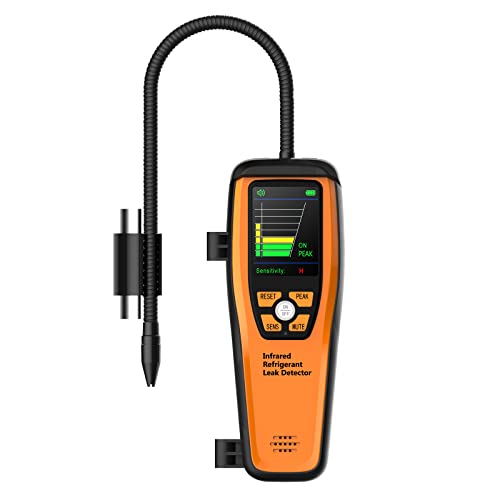
Elitech HVAC Refrigerant Leak Detector 10 Yrs Infrared Sensor Life, Halogen Freon Sniffer, Air Conditioning Detection, Automotive Gas Finder, ILD-200
- Infrared Leak Detection: Strong anti-interference and fast response
- Adjustable Sensitivity: High/Medium/Low levels up to 0.14oz/yr
- Detects All Halogen Gases: CFCs, HFCs, HCFCs, HFOs, and blends
As an affiliate, we earn on qualifying purchases.
As an affiliate, we earn on qualifying purchases.

BINGOX Water Leak Detector with 3/4” Brass Automatic Shut-Off Valve, Leak Alarm System with Controller and 2 Sensors, Supports Up to 8 Water Sensors for Home Flood Prevention
- Automatic Water Shut-Off: Triggers brass valve to stop water flow
- Loud Leak Alarm: Alerts with loud sound when leak detected
- Expandable Sensor Support: Supports up to 8 sensors for full coverage
As an affiliate, we earn on qualifying purchases.
As an affiliate, we earn on qualifying purchases.